Solution
Refractory Engineering & Material Selection
Material selection starts from the equipment, not from the product list. RISING reviews the equipment, the lining zone and the operating conditions first, proposes material types from the catalogue product families, and returns a structured quotation with the documentation needed to evaluate it. Selection continues past the material into the grade.
What the Solution Covers
This page is for the case where the equipment is known and the material is not. A buyer has a furnace, a zone and a problem, and needs to arrive at a material and a grade.
The order matters. The process begins with application review, not with a product: equipment, lining zone and operating conditions are reviewed first, and the service conditions are reviewed before any material is proposed. Only then are material types proposed from the catalogue product families, and only then does a structured quotation follow with the documentation needed to evaluate it.
Selection does not stop at the material. The grade, not the material type, is what the quotation is written against. The recommendation is a material proposal, confirmed against the conditions you supply; it is not an engineering calculation, and RISING does not take design responsibility for your furnace.
Equipment and operating zone
The first question is which vessel and which position in it. RISING's lining diagrams assign material by zone, so a recommendation cannot be made against a vessel name alone.
Operating temperature
Maximum service temperature is a specified property across the catalogue and is one of the properties a grade is chosen against.
Atmosphere
The power source separates its range by furnace atmosphere, naming reducing-atmosphere furnaces as a distinct group.
Abrasion and wear
The power source selects wear-resistant castables, steel-fiber-reinforced castables and wear-resistant plastics specifically for the worst wear parts of a CFB boiler.
Corrosion and slag contact
Slag-line and melt-contact positions take different materials from the rest of the same vessel throughout the lining diagrams.
Thermal cycling
The power source states that thermal-shock resistance and high refractoriness are required in the air chamber, the igniter and the water-cooled air chamber because the bed is lit from underneath.
Dimensions and drawings
Dimensions and drawings are one of the six inputs the RFQ checklist asks for.
How the Process Works
6 steps
Application Review
Equipment, lining zone and operating conditions are reviewed first.
Material Selection
Suitable material types are proposed from the catalogue product families.
Technical Proposal
A structured quotation with the documentation needed for evaluation.
Production
Materials are manufactured at the company's own facilities.
Packing / Export
Products are packed and prepared for export to the destination port.
Technical Support
Engineering support continues through installation and service.
Refractory Materials Involved
Refractory Bricks
31Shaped refractory products for steel, cement, glass, nonferrous, power and industrial furnace applications, in multiple material systems and custom shapes.
Monolithic Refractories
17Castables, ramming materials, mortars and other unshaped refractory systems for new linings, maintenance and repair.
Thermal Insulation Materials
4Insulating bricks, boards and lightweight refractory systems designed to reduce heat loss and support multilayer lining construction.
Ceramic Fiber Products
3Lightweight high-temperature fiber products for furnace insulation, lining, sealing and thermal management.
Silicon Carbide Products
5Silicon carbide refractory materials and engineered components for demanding wear, corrosion and high-temperature service.
Carbon / Graphite Products
2Carbon and graphite based products for specialised metallurgical and high-temperature industrial applications.
Steelmaking Refractory Products
4Functional refractory products for steel casting and flow control: sliding plates, ladle shrouds, monoblock stoppers and submerged entry nozzles.
Refractory Raw Materials
14Raw materials for refractory production, supplied to the specification published on each product page.
Industries Supported
Steel & Iron
View refractory selection by equipmentPower & CFB Boilers
View refractory selection by equipmentNonferrous Metals
View refractory selection by equipmentGlass
View refractory selection by equipmentChemical & Petrochemical
View refractory selection by equipmentCement
View refractory selection by equipment
Technical Considerations
- Selection continues past the material into the grade
- Naming a material type is not the end of selection. Seventy-six of the seventy-seven catalogue products are specified across named grades, and the grade is what the quotation is written against.
- Conditions are reviewed before anything is proposed
- Service conditions are reviewed before any material is proposed. A grade is not offered against an equipment name on its own.
- What to send with an enquiry
- The RFQ checklist asks for the product or material requirement, the application or equipment, the quantity, dimensions or drawings, the technical specification or data sheet, and the destination country or port.
Related Products
Materials from the families this service covers that the published selection tables specify, most frequently specified first.
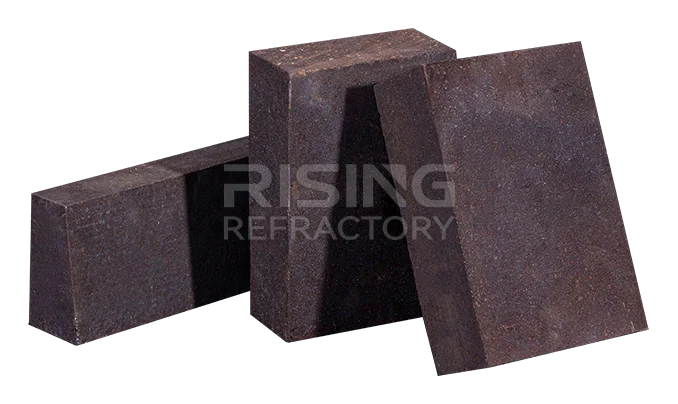
Refractory Bricks
Magnesia Chrome Brick
Basic magnesia–chrome bricks in four product types: ordinary, direct-bonded, fused semi-rebonded and fused rebonded, covering 23 grades for demanding basic-slag service.
View ProductGradesMG-16A · MG-16B · MG-12A · MG-12B · MG-8A · MG-8B · ZMG-16A · ZMG-12A · ZMG-8A · ZMG-6 · BMG-26 · BMG-24 · BMG-22 · BMG-20A · BMG-18 · BMG-16A · BMG-12A · DMG-26 · DMG-24 · DMG-22 · DMG-20 · DMG-16 · DMG-12
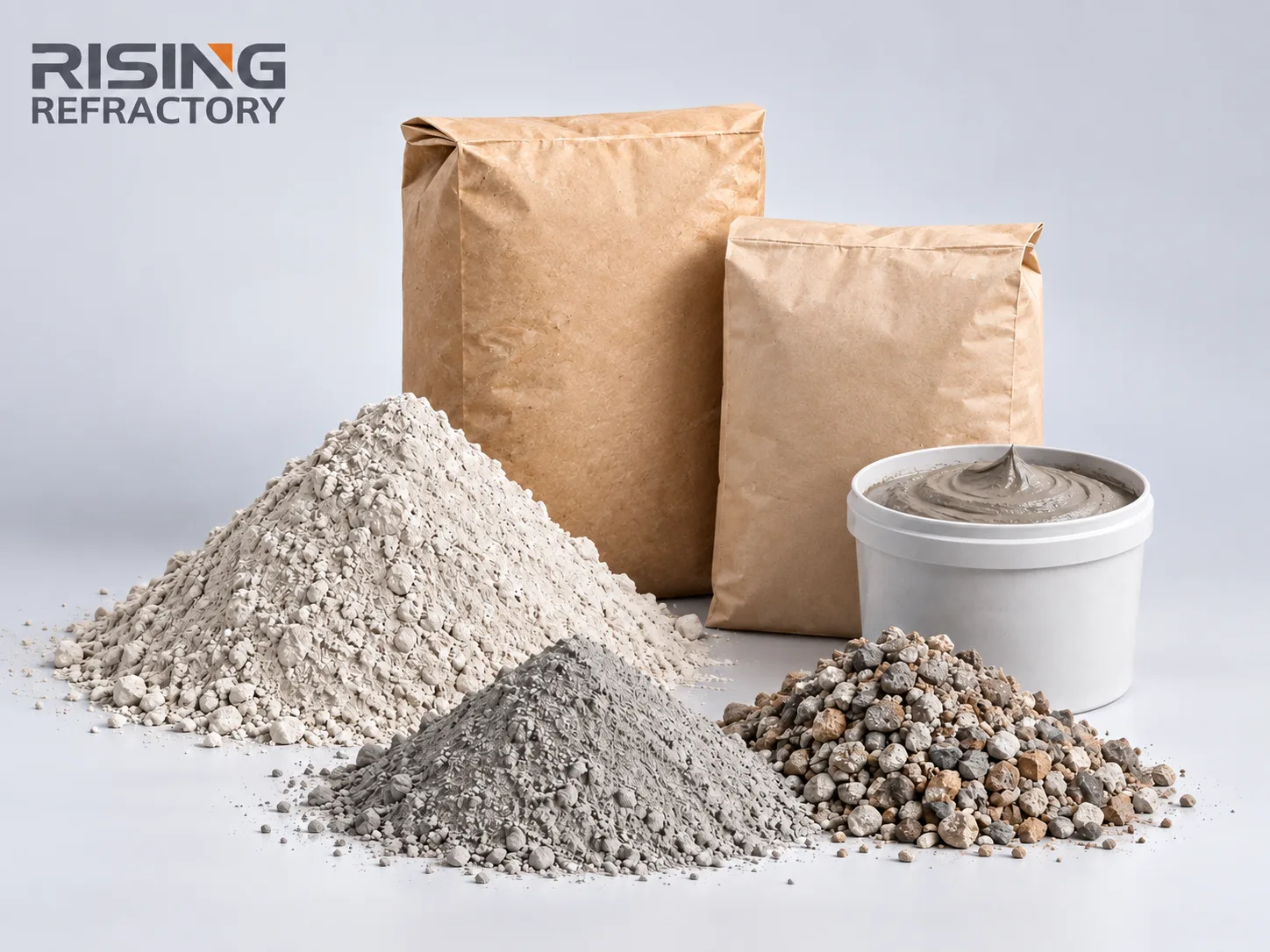
Monolithic Refractories
Lightweight Insulation Castable
Low-density insulating castable with low thermal conductivity, excellent thermal insulation and convenient installation, reducing furnace heat loss and lining weight. Grades LW0.6 to LW1.3.
View ProductGradesLW0.6 · LW0.8 · LW1.0 · LW1.1 · LW1.3
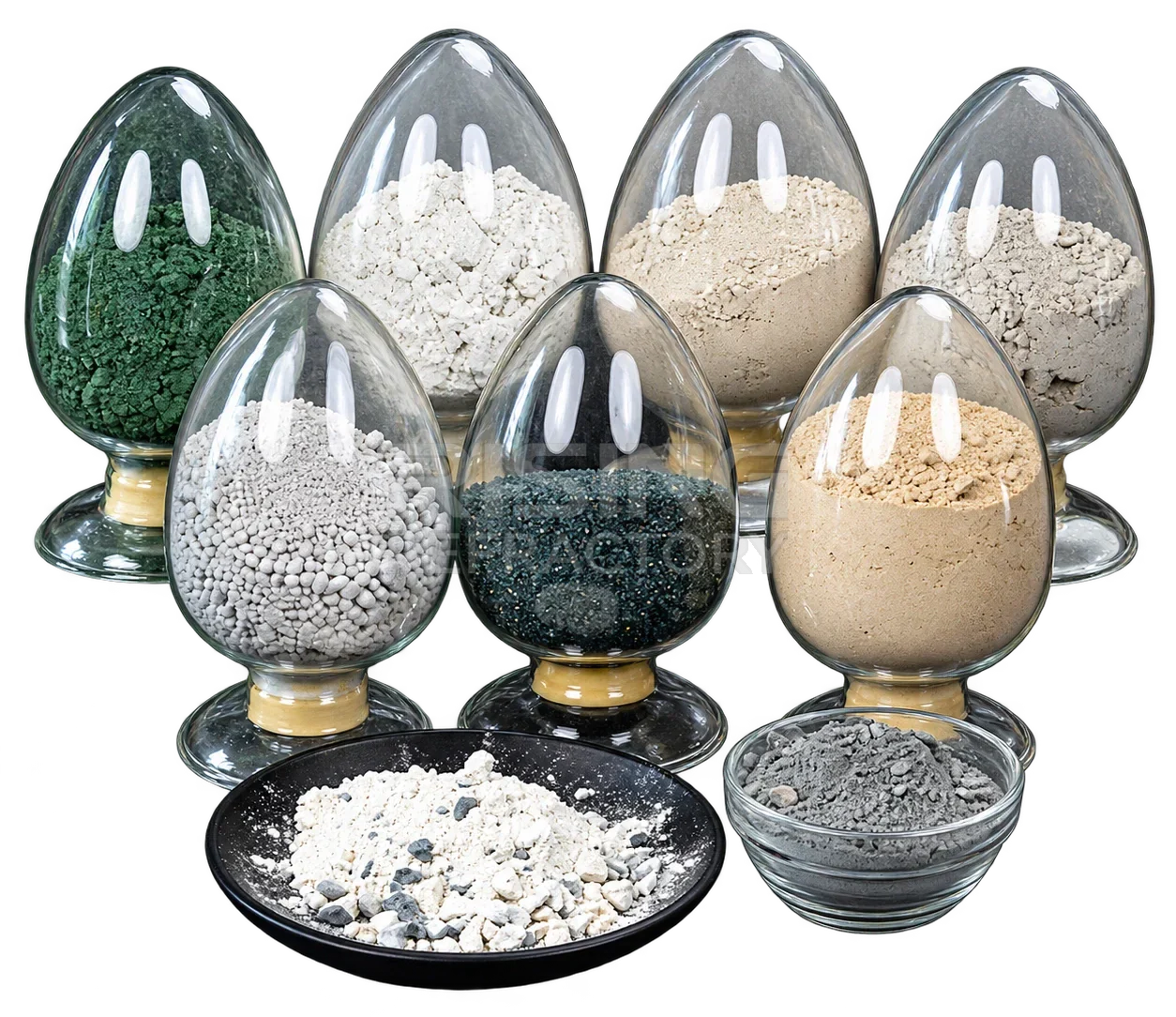
Monolithic Refractories
Low & Ultra-Low Cement Castable
Dense low- and ultra-low-cement castables in clay, high alumina and corundum materials, with small pore size, high density, good volume stability, high strength and low water addition.
View ProductGradesClay · High Alumina · Corundum
Silicon Carbide Products
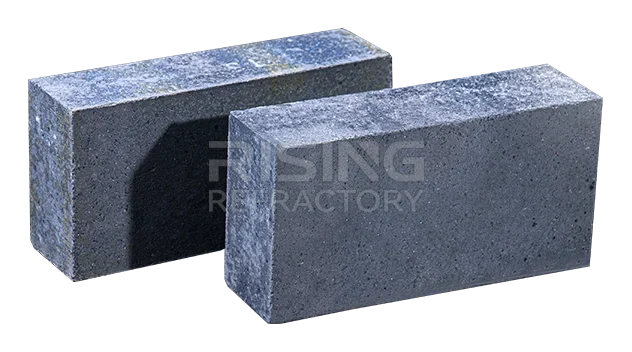
Silicon Carbide Brick
Non-oxide silicon carbide brick with high wear and corrosion resistance, high hot strength, high thermal conductivity and low thermal expansion, in six bonding types from SiO₂-bonded to recrystallized.
View ProductGradesSiO₂ · Clay · Si₃N₄ · Sialon · Self Bonded · Recrystallized
Refractory Bricks
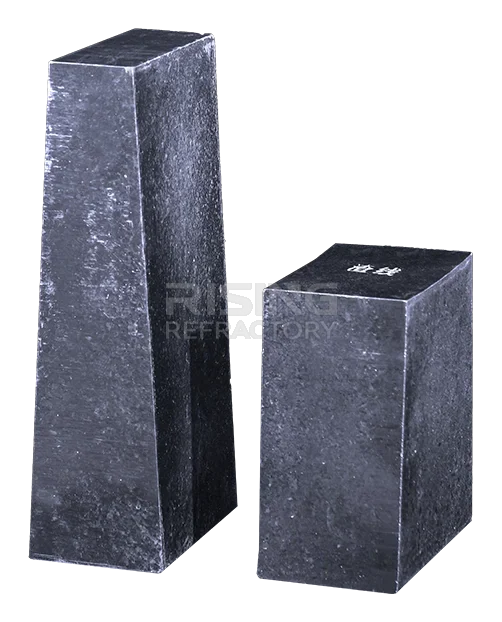
Magnesia Carbon Brick
Carbon-bonded magnesia brick combining the slag resistance of magnesia with the thermal conductivity and low expansion of carbon, in grades MT10A to MT18A by carbon content.
View ProductGradesMT10A · MT12A · MT14A · MT16A · MT18A
Monolithic Refractories
Refractory Mortar
Refractory mortars for brick masonry in four material systems: silica, alumina-silicate, alkaline (magnesia) and silicon carbide / carbon, each with its own grades and specification table.
View ProductGradesGNR94 · GNJ94 · GNB94 · GNB96 · LN65 · LN75 · LN65P · LN75P · GN85P · GN90P · MN91 · MN95 · MN97 · MLN70 · MLN80 · SCN · TN-1 · TN-2 · TN-3
Refractory Bricks
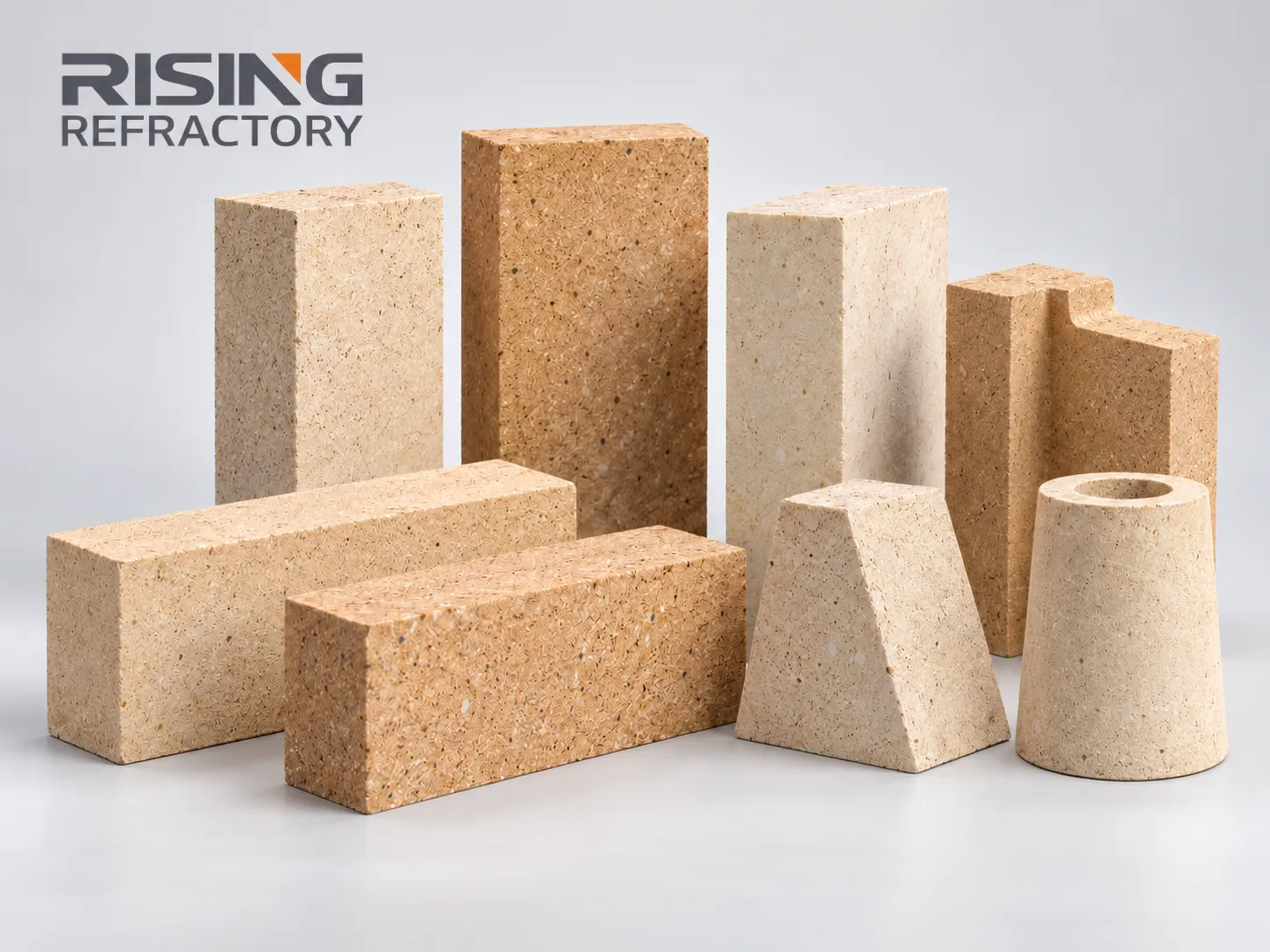
Alkali-Resistant Brick
Alkali-resistant brick with high strength and good volume stability that forms a high-viscosity glass phase on contact with alkali to block alkaline slag, in ordinary, high-strength, arch and lightweight types.
View ProductGradesPT · HS · DT · LW
Refractory Bricks
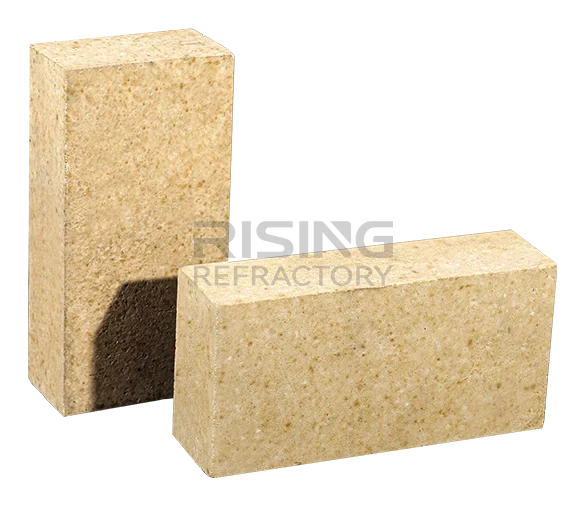
High Alumina Brick
Neutral alumina–silica refractory brick with resistance to both acidic and alkaline slag, high cold crushing strength and high refractoriness under load. Six grades from LZ-48 to LZ-80.
View ProductGradesLZ-80 · LZ-75 · LZ-70 · LZ-65 · LZ-55 · LZ-48
Refractory Bricks
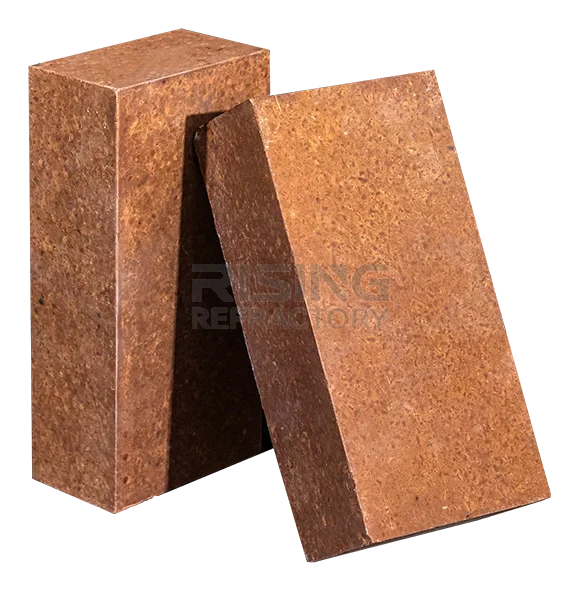
Magnesia Brick
Basic refractory brick with strong resistance to alkaline slag, high refractoriness and high refractoriness under load, in seven grades from M89 to M98.
View ProductGradesM98 · M97A · M97B · M95A · M95B · M91 · M89
Monolithic Refractories
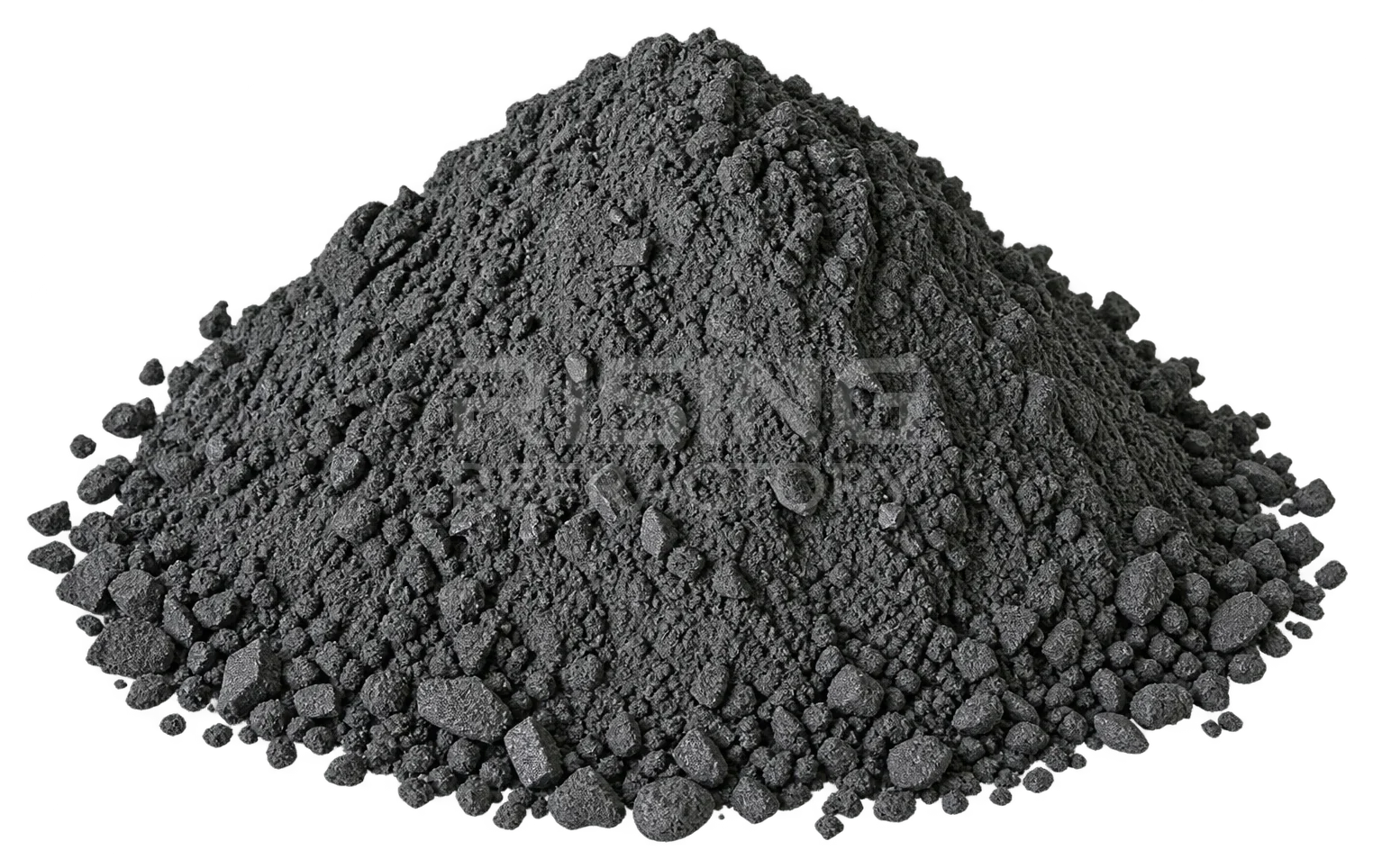
Al₂O₃-SiC-C Castable
Alumina–silicon carbide–carbon castable for iron and slag runners, with strong resistance to molten iron and slag, good thermal shock and oxidation resistance, and fast bake-out without bursting.
View ProductGradesSlag Line of Main Iron Runner · Iron Line of Main Iron Runner · Branch Iron Runner · Slag Runner
Ceramic Fiber Products
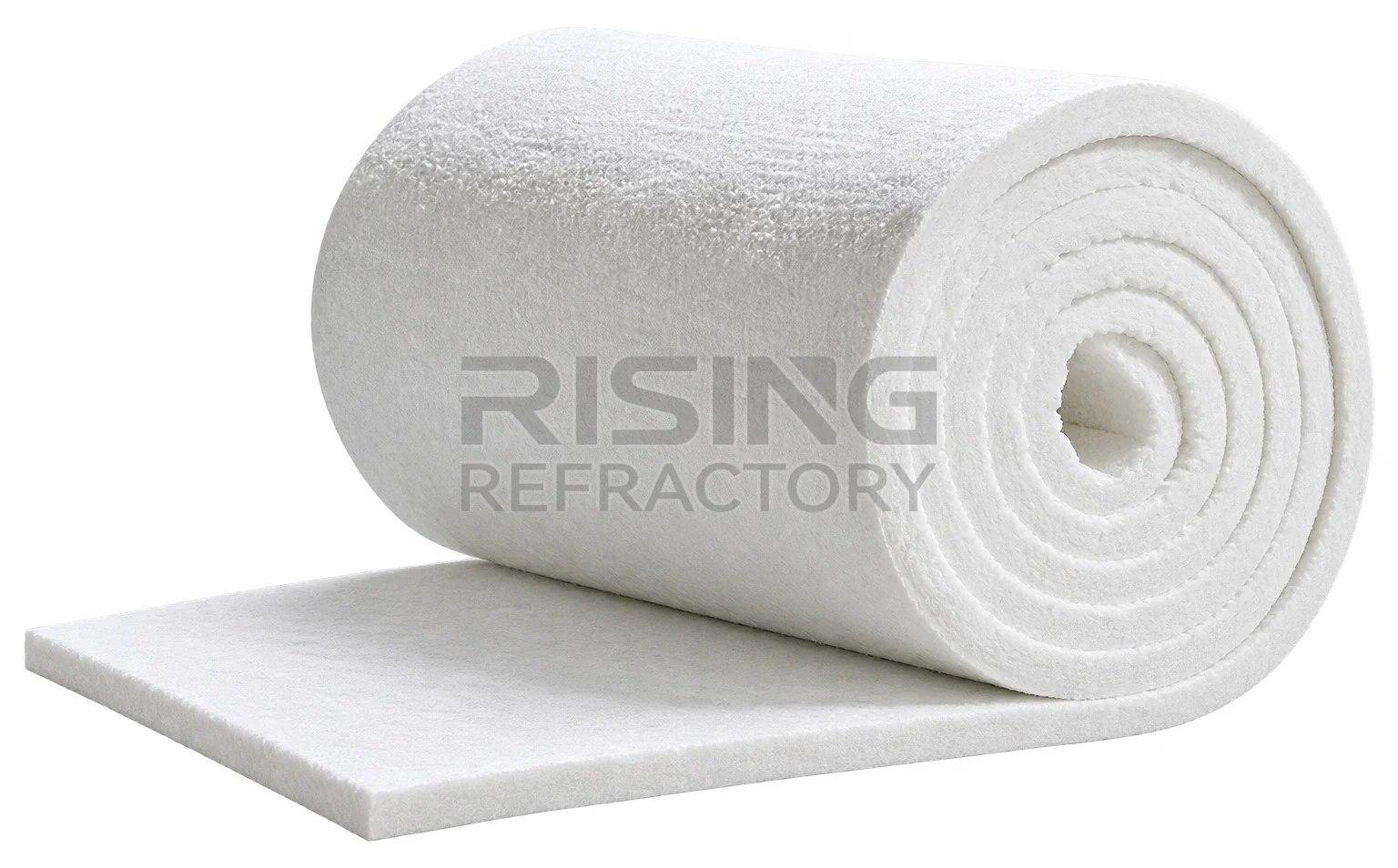
Ceramic Fiber Blanket
Ceramic fiber blanket combining fire resistance, heat insulation and heat retention, with low heat capacity and thermal conductivity, in standard, high-purity, high-alumina and zirconia-containing grades.
View ProductGradesSTD · HP · HA · HZ
Ceramic Fiber Products
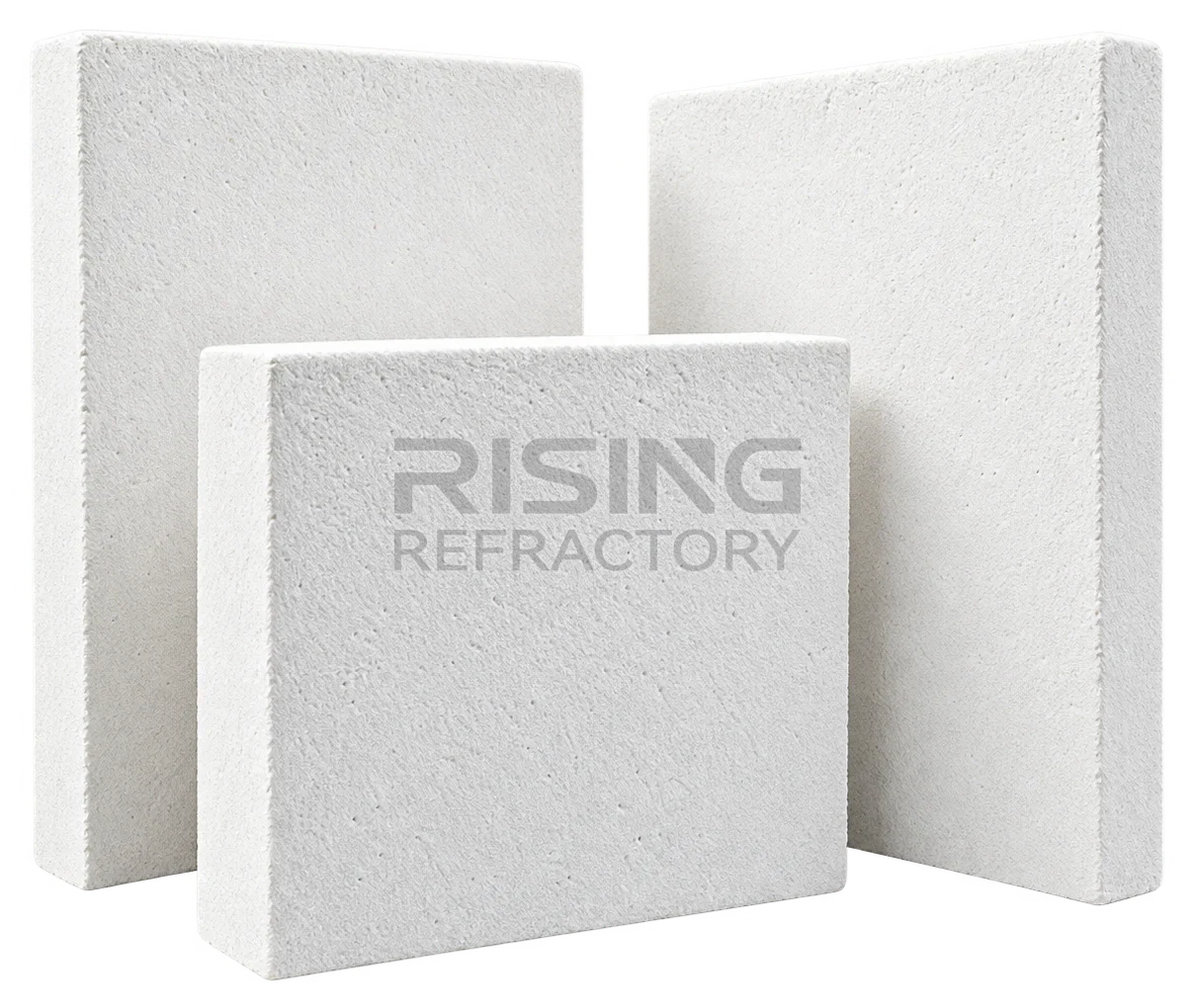
Ceramic Fiber Board
Rigid ceramic fiber board with excellent toughness, strength and wind-erosion resistance, light and easy to cut, for kilns, pipes and other thermal insulation equipment. Standard, high-purity, high-alumina and zirconia grades.
View ProductGradesSTD · HP · HA · HZ
Reference documents
This page is prepared from RISING company records, product documentation and technical references.
Technical Consultation
Tell us your equipment, process and operating conditions
Our team reviews the requirement and helps identify the appropriate refractory materials. Service conditions are reviewed before any material is proposed.