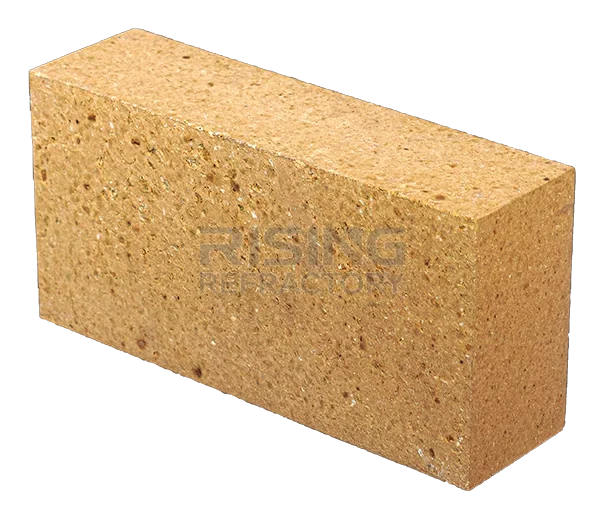
Refractory BricksAlumina–silica and corundum bricks
High Alumina Brick
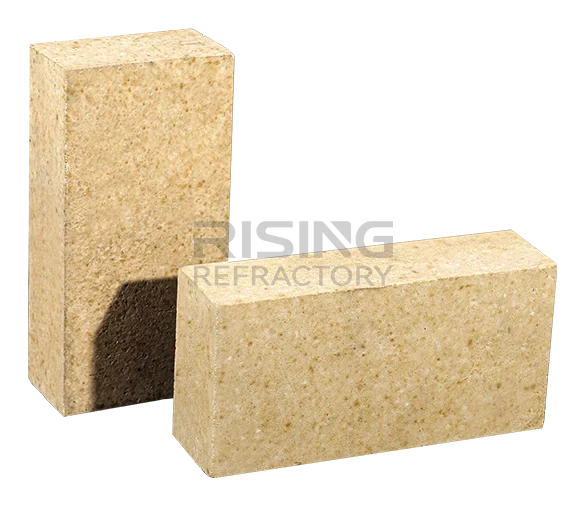
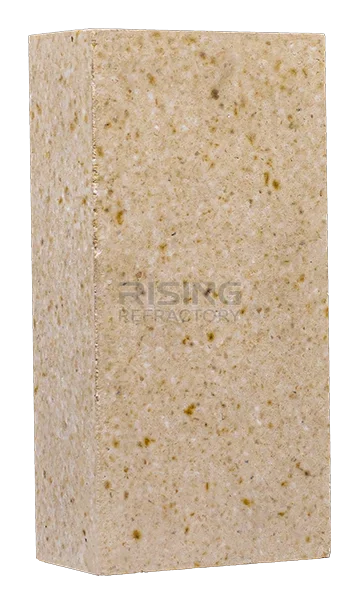
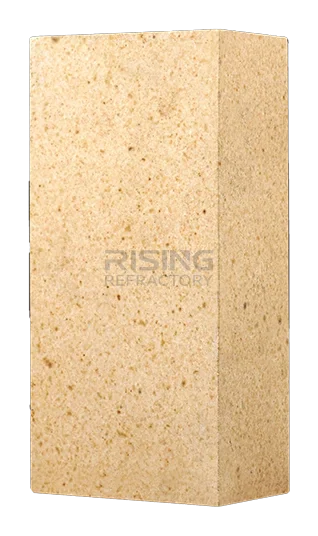
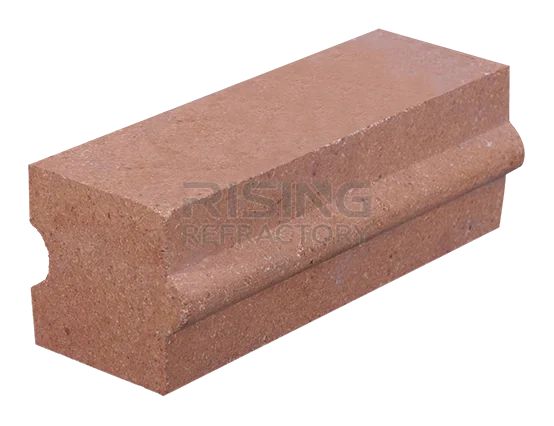
High alumina brick is a neutral alumina–silica refractory brick with an Al₂O₃ content of at least 48 %, graded by alumina content. It has a degree of corrosion resistance to both acidic and alkaline slag, high cold crushing strength, good resistance to erosion, strong resistance to penetration and a high refractoriness under load.
Neutral alumina–silica refractory brick with resistance to both acidic and alkaline slag, high cold crushing strength and high refractoriness under load. Six grades from LZ-48 to LZ-80.
- Grades / types
- LZ-80, LZ-75, LZ-70, LZ-65, LZ-55, LZ-48
Product overview
RISING REFRACTORY supplies high alumina brick in six grades, LZ-80, LZ-75, LZ-70, LZ-65, LZ-55 and LZ-48, each named for its minimum Al₂O₃ content. Across the published specification the higher-alumina grades carry the higher strength and load-bearing figures: cold crushing strength rises from ≥40 MPa at LZ-48 to ≥70 MPa at LZ-80 and refractoriness under load from ≥1420 ℃ to ≥1530 ℃, while apparent porosity stays within ≤21–24 %.
Within the refractory brick family, high alumina brick follows the fireclay bricks: the low-porosity and low-creep clay bricks are specified at a lower Al₂O₃ content. The comparison table below sets the published values of the clay bricks beside the six high alumina grades.
In the industry selection matrices published on this site, high alumina brick is specified for hot blast stove and blast furnace walls and regenerator checker work, coke ovens and the permanent lining of steel ladles in steel plants, for the glass kiln bottom and the lower part of the regenerator in glass plants, and in the material range for zinc, lead and nickel smelting.
Key characteristics
- Neutral material: resists both acidic and alkaline slag
- High cold crushing strength
- Good erosion resistance
- Strong resistance to penetration
- High refractoriness under load
Technical data
| Property | Unit | LZ-80 | LZ-75 | LZ-70 | LZ-65 | LZ-55 | LZ-48 |
|---|---|---|---|---|---|---|---|
| Al₂O₃ | % | ≥80 | ≥75 | ≥70 | ≥65 | ≥55 | ≥48 |
| Apparent Porosity | % | ≤21 | ≤24 | ≤24 | ≤24 | ≤22 | ≤22 |
| Cold Crushing Strength (CCS) | MPa | ≥70 | ≥60 | ≥55 | ≥50 | ≥45 | ≥40 |
| Refractoriness Under Load, 0.2 MPa (RUL) | ℃ | ≥1530 | ≥1520 | ≥1510 | ≥1500 | ≥1450 | ≥1420 |
| Permanent Linear Change (PLC) | % | -0.4~0.2 (1500℃×2h) | -0.4~0.2 (1500℃×2h) | -0.4~0.1 (1450℃×2h) | -0.4~0.1 (1450℃×2h) | -0.4~0.1 (1450℃×2h) | -0.4~0.1 (1450℃×2h) |
Published values compared
The range each product’s published grades span. An empty cell means that product publishes no value under this label; nothing is carried across from another product.
| Property | Unit | High Alumina Brick | Low-Porosity Clay Brick | Low-Creep Clay Brick |
|---|---|---|---|---|
| Al₂O₃ | % | ≥48–80 | ≥42–45 | ≥40–45 |
| Apparent Porosity | % | ≤21–24 | ≤12–17 | ≤15–22 |
| Cold Crushing Strength (CCS) | MPa | ≥40–70 | ≥55–80 | ≥35–60 |
| Refractoriness Under Load, 0.2 MPa (RUL) | ℃ | ≥1420–1530 | ≥1420–1500 | — |
Where Refractories Are Used
Industry
Steel & Iron
Refractories in iron and steel production are used in the blast furnace, hot blast stove, cast house and coke oven on the ironmaking side, and in the hot metal ladle, converter, electric arc furnace, steel ladle, tundish, RH degasser and reheating furnace on the steelmaking side. Material selection varies by operating zone and includes silica, high alumina, magnesia, magnesia-carbon, alumina-silicon carbide-carbon and silicon carbide products together with castables, ramming mixes and mortars.
Explore IndustryIndustry
Nonferrous Metals
Refractories for nonferrous metals divide into two groups. For aluminium they line the electrolysis cell side wall, corners and bottom, the smelter and the holding furnace, using silicon nitride bonded silicon carbide, carbon-based materials, low cement and non-stick castables and insulation. For copper, zinc, lead and nickel they are magnesia-chrome bricks in directly bonded, semi-rebonded and fused rebonded types.
Explore IndustryIndustry
Glass
Refractories in the glass industry line the melting tank, the superstructure, the working end and forehearth, the throat and the regenerator. Different furnace types take different materials, in fused, siliceous and magnesia groups: silica, clay, high alumina, sillimanite, mullite, fused mullite, zirconia-corundum, fused corundum and zirconium-containing refractory bricks.
Explore Industry
Selection guide
Answers drawn from the published specification and the industry selection matrices, for engineers comparing this product before a quotation.
- What is high alumina brick?
- High alumina brick is a neutral alumina–silica refractory brick with an Al₂O₃ content of at least 48 %, graded by alumina content. It resists both acidic and alkaline slag and combines high cold crushing strength, good erosion resistance, strong resistance to penetration and a high refractoriness under load.
- Which Al₂O₃ grades of high alumina brick are available?
- Six grades, named for their minimum Al₂O₃ content: LZ-80 (≥80 %), LZ-75 (≥75 %), LZ-70 (≥70 %), LZ-65 (≥65 %), LZ-55 (≥55 %) and LZ-48 (≥48 %).
- How do the published grades differ?
- As the Al₂O₃ content rises from LZ-48 to LZ-80, the published cold crushing strength rises from ≥40 MPa to ≥70 MPa and the refractoriness under load from ≥1420 ℃ to ≥1530 ℃; apparent porosity is specified at ≤22 % for LZ-48 and LZ-55, ≤24 % for LZ-65 to LZ-75 and ≤21 % for LZ-80. Permanent linear change is stated after two hours at 1450 ℃ (LZ-48 to LZ-70) or 1500 ℃ (LZ-75 and LZ-80).
- What is the difference between high alumina brick and fireclay brick?
- Both are alumina–silica bricks from the same family. The fireclay bricks in the catalogue, the low-porosity and low-creep clay bricks, are specified at a lower Al₂O₃ content and for low apparent porosity or low creep under load; high alumina brick starts at Al₂O₃ ≥48 % and is specified for refractoriness under load from ≥1420 ℃ to ≥1530 ℃. The comparison table on this page sets the published values side by side.
- Where is high alumina brick used?
- In the industry selection matrices published on this site, high alumina brick is specified for hot blast stove and blast furnace walls and regenerator checker work, for coke ovens and for the permanent lining of steel ladles in steel plants; for the glass kiln bottom and the lower part of the regenerator in glass plants; and in the material range for zinc, lead and nickel smelting.
- What information is needed to select a grade?
- The equipment and the lining zone, the operating temperature and atmosphere, what the brick is in contact with (slag, melt or atmosphere), the shape and dimensions or a drawing, the quantity and the delivery destination. The technical team confirms the grade against these service conditions; no single Al₂O₃ figure is published as a rule for a given duty.
Where this product is specified
Every position in the published industry selection matrices that names this product, with the source document’s own refractory term.
| Industry | Process / equipment | Zone | Source term |
|---|---|---|---|
| Steel & Iron | Hot Blast Stove | Regenerator checker work | High Alumina Checker Brick For Hot Blast Furnace |
| Steel & Iron | Hot Blast Stove | Stove and blast furnace walls | High Alumina Brick |
| Steel & Iron | Steel Ladle | Permanent lining | Sintered Magnesia Brick / High Alumina Brick |
| Steel & Iron | Coke Oven and CDQ | Coke oven | High Aluminum Brick |
| Nonferrous Metals | Zinc, Lead and Nickel | Material range listed for these industries | High Alumina Bricks |
| Glass | Melting Tank | Glass kiln bottom | Ultra-high Alumina Brick |
| Glass | Regenerator | Lower part of the regenerator | Ultra-high Alumina Brick |
What to send for a quotation
The six items of a complete enquiry. Send what you have; the rest is asked for during technical review.
- 01Product / material requirement
- 02Application / equipment
- 03Quantity
- 04Dimensions / drawings
- 05Technical specification / TDS
- 06Destination country / port
Available grades, shapes and sizes
Available grades
- LZ-80
- LZ-75
- LZ-70
- LZ-65
- LZ-55
- LZ-48
Related solutions
Services that work with this family of materials.
Related products
Refractory Bricks
Anti-Stripping High Alumina Brick
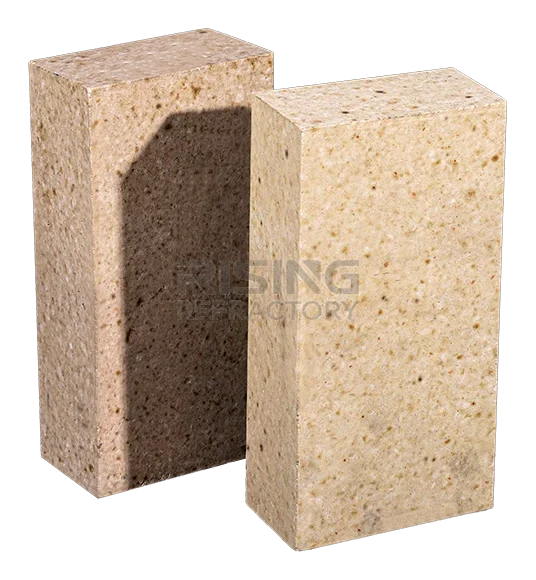
High alumina brick with excellent thermal shock and spalling resistance and resistance to alkali, sulfur and chlorine attack, in grades GKBL70 and KBL75.
View ProductGradesGKBL70 · KBL75
Refractory Bricks
Corundum Mullite Brick
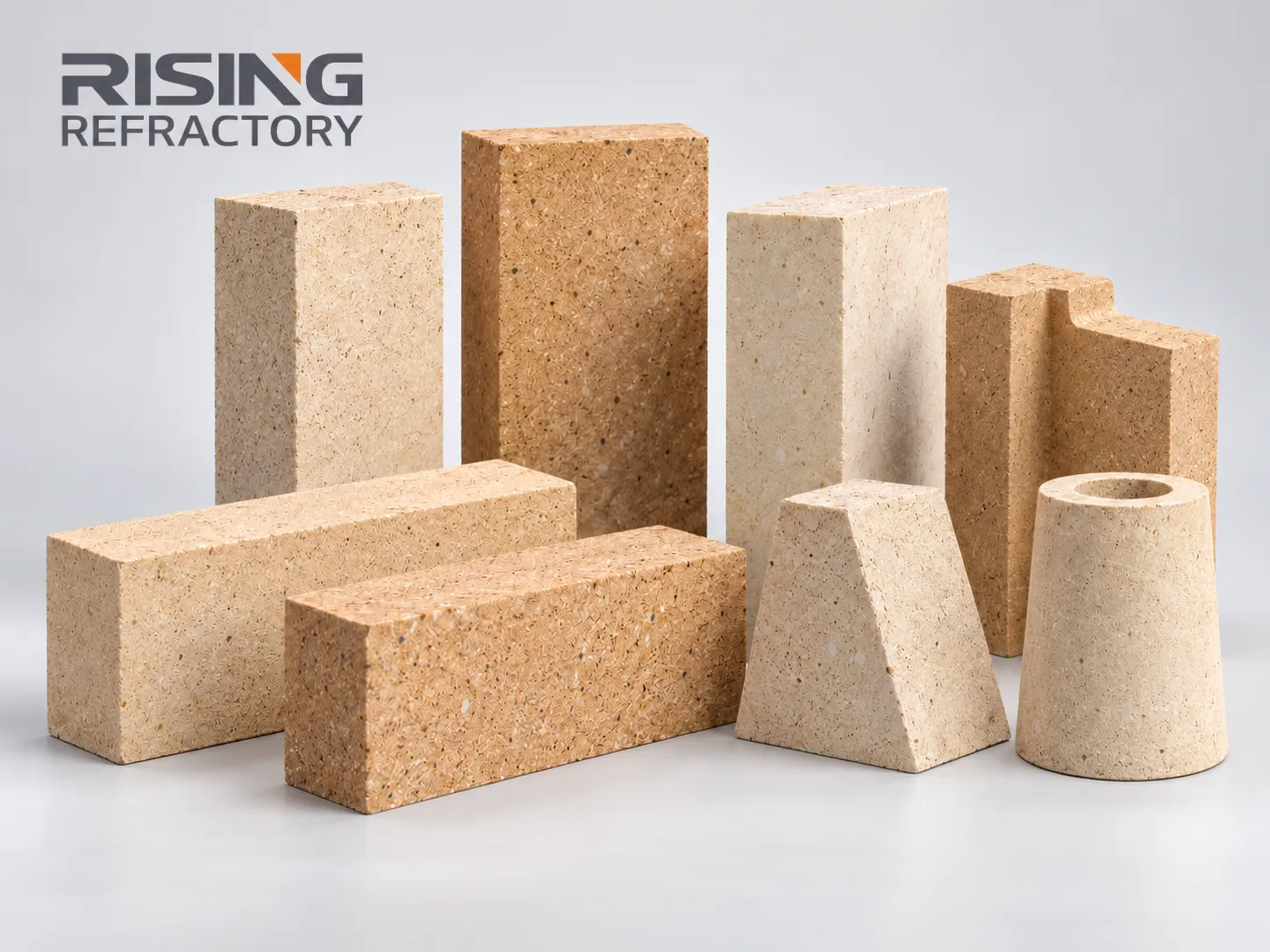
Corundum–mullite brick for high-temperature service with high cold crushing strength, high refractoriness under load and good thermal shock resistance, in grades GMZ-75 to GMZ-90.
View ProductGradesGMZ-90 · GMZ-85 · GMZ-80 · GMZ-75
Refractory Bricks
Corundum Brick
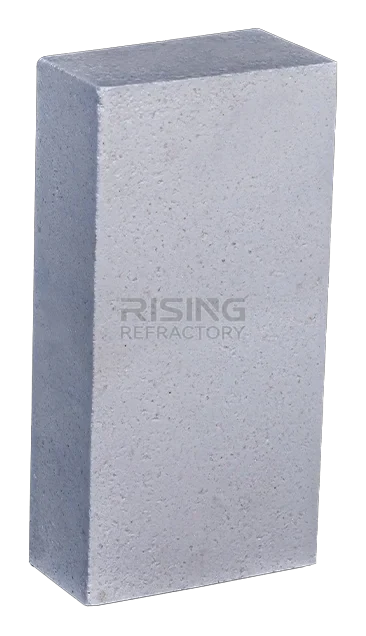
Dense corundum brick with high refractoriness under load and good chemical stability against acidic and alkaline slag, metal and molten glass, in grades GYZ-95 to GYZ-99A.
View ProductGradesGYZ-99A · GYZ-99B · GYZ-98 · GYZ-95
Refractory Bricks
Low-Porosity Clay Brick
Dense fireclay brick with low apparent porosity, high cold crushing strength and good resistance to acid and slag erosion.
View ProductGradesZMN-45 · ZMN-42 · ZMN-42L · ZMN-40
Technical Consultation
Discuss your requirement with our technical team
Share your application, service conditions and quantities. Our engineers confirm the suitable grade and return a structured quotation.
Request a quote for prices and lead times, a TDS for the grade’s data sheet, or technical information for a selection or specification question.
Technical data sheets are supplied on request with the quotation.Request TDS