
Product family
Refractory Bricks for Industrial Furnaces and Kilns
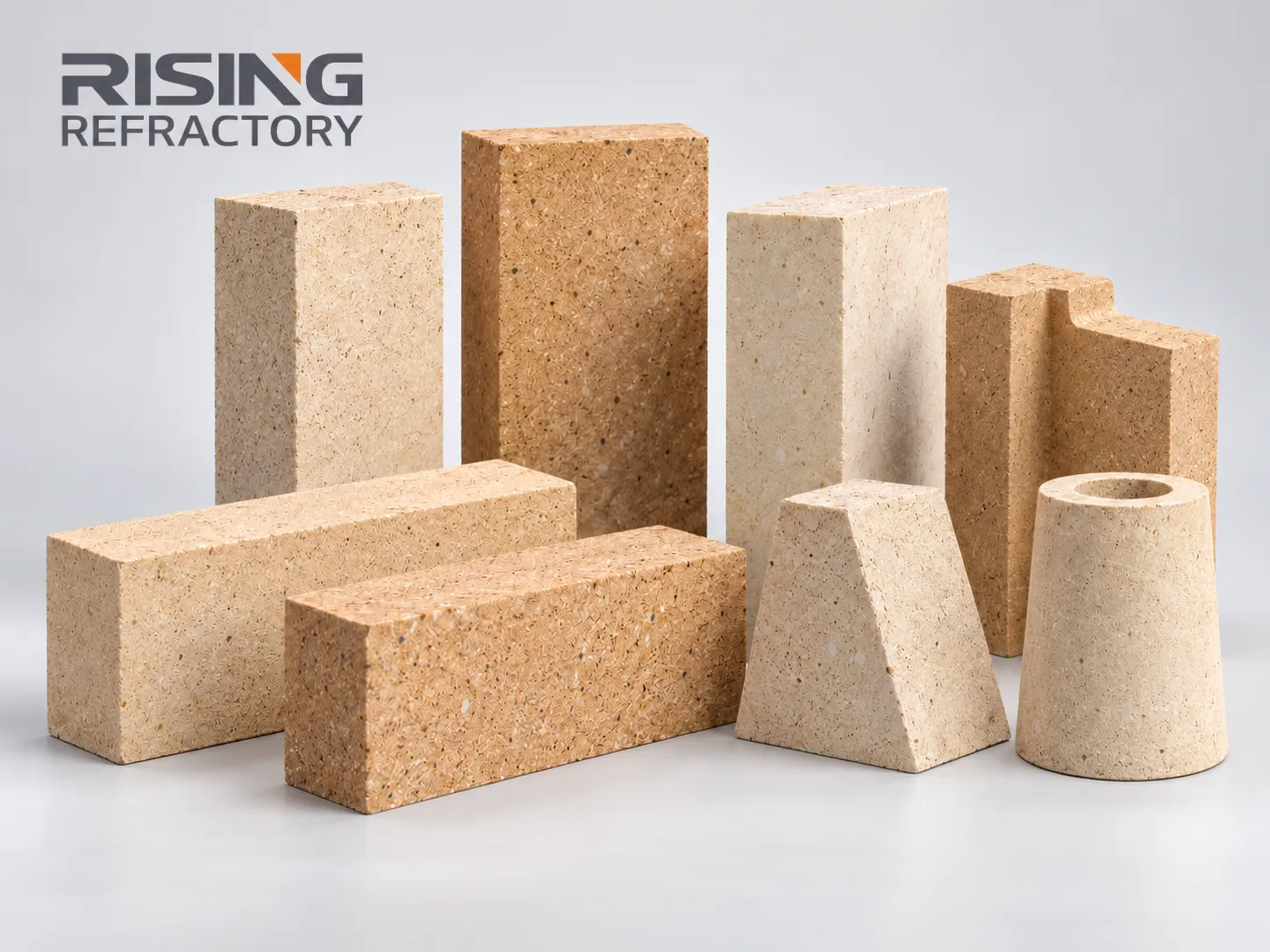
Refractory bricks are shaped refractory products made to fixed dimensions and laid to form the working and permanent layers of furnace, kiln and ladle linings. RISING REFRACTORY publishes 31 refractory bricks in eight material groups — from silica and fireclay through high alumina and corundum to magnesia, carbon-bonded, zirconia and chrome bricks and fused-cast bricks — in standard and custom shapes.
31 products
Which refractory brick for which service?
The material system of a brick decides what it resists. Silica brick and the fireclay bricks resist acid slag; high alumina brick is neutral and, like corundum brick, resists both acidic and alkaline slag; magnesia, magnesia chrome, magnesia spinel and alkali-resistant bricks are basic and resist alkaline slag and cement clinker; magnesia carbon brick and the other carbon-bonded bricks combine slag resistance with thermal shock resistance for steelmaking and ironmaking equipment; zirconia, chrome and fused-cast bricks resist molten glass and gasifier slag.
Within one material system the grades differ by composition and by the published physical properties — Al₂O₃ or MgO content, apparent porosity, cold crushing strength and refractoriness under load — and every product page carries the specification table those grades are compared on.
Material groups in this family
Eight groups by material system, in catalogue order. Each product named below has its own page and specification.
Silica and fireclay bricks
Silica brick with high hot strength and a refractoriness under load of 1620–1680 ℃, resistant to acid slag; low-porosity and low-creep clay bricks (fireclay); and fused silica brick with an extremely low linear expansion coefficient.
Alumina–silica and corundum bricks
High alumina brick in six grades from LZ-48 to LZ-80, anti-stripping and phosphate-bonded high alumina bricks, sillimanite and andalusite bricks, and corundum–mullite and corundum bricks for high-temperature service.
Magnesia and basic bricks
Magnesia brick, magnesia zirconia and magnesia chrome bricks, and the magnesia alumina spinel and chrome-free magnesia iron spinel bricks for the cement kiln firing zone — basic materials resistant to alkaline slag.
Carbon-bonded bricks
Magnesia carbon brick graded by carbon content, alumina magnesia carbon brick, Al₂O₃-SiC-C brick and the sintered microporous alumina carbon brick, for steelmaking and ironmaking equipment.
Zirconia and chrome bricks for glass and gasifier service
Sintered zirconia corundum brick, dense zircon brick, chrome corundum brick, high chrome brick and high zirconia brick, specified for molten glass, coal gasifier slag and non-ferrous slag contact.
Fused-cast bricks
Fused-cast AZS (fused zirconia corundum) brick, fused-cast mullite brick and fused corundum brick, with dense cast structures for glass tank furnaces.
Acid- and alkali-resistant bricks
Acid-resistant brick for acid flues, autoclaves and storage tanks, and alkali-resistant brick in ordinary, high-strength, arch and lightweight types.
Refractory balls
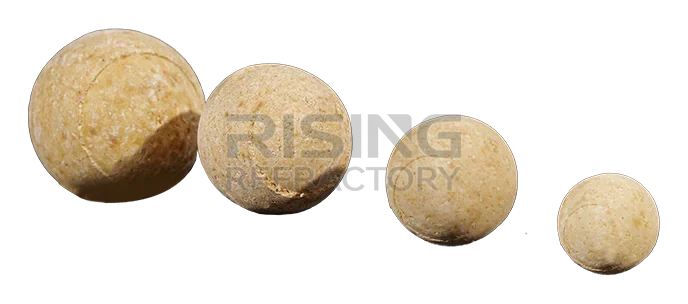
Shaped refractory balls in high alumina, mullite, corundum mullite, corundum and zircon types, with strong heat storage capacity and high crushing strength.
How to choose a refractory brick
Six points the technical team reviews before a grade is proposed, each with the published products it leads to.
Slag and atmosphere chemistry
Acid slag points to silica brick and the low-porosity clay brick; service with both acidic and alkaline slag to the neutral high alumina and corundum bricks; alkaline slag, alkaline atmospheres and cement clinker to the magnesia-based and alkali-resistant bricks.
Equipment and lining zone
The industry pages map each piece of equipment and operating zone to the brick the source specifies for it — hot blast stove, coke oven, steel ladle, cement kiln zones, glass melting tank and regenerator, gasifier. Start from the equipment, then the zone.
Temperature and load
Compare the published refractoriness under load and cold crushing strength of the grades: high alumina brick, for example, is specified from ≥1420 ℃ and ≥40 MPa at LZ-48 to ≥1530 ℃ and ≥70 MPa at LZ-80.
Thermal shock and spalling
Where the temperature cycles, the anti-stripping high alumina brick, magnesia alumina spinel brick, andalusite brick and the fused-cast mullite brick are the products whose specifications state thermal shock or spalling resistance.
Molten glass contact
For glass tank furnaces the fused-cast AZS, high zirconia, dense zircon, sintered zirconia corundum and sillimanite bricks are specified for resistance to molten glass and low glass contamination.
Shape and dimensions
Standard shapes are quoted from the dimensions; custom shapes in the refractory brick family are quoted from the drawing.
Where refractory bricks are specified
Taken from the refractory selection matrices of the published industry pages: each industry with the bricks of this family its source names.
What determines a refractory brick quotation
No fixed price list is published. A quotation is prepared from the requirement, and these are the factors that set it.
- Grade and composition
- The grade within a product — for example LZ-48 to LZ-80 by Al₂O₃ content, or M89 to M98 for magnesia brick — or a buyer’s own specification reviewed against the catalogue.
- Shape and dimensions
- Standard brick sizes, or a custom shape quoted from the drawing.
- Quantity
- In tonnes or pieces, per product and grade where the enquiry covers several.
- Destination and packing
- The country and port of delivery, since products are packed and prepared for export to the destination port.
- Documents required
- Technical data sheets and certificates supplied with the quotation when asked for.
Quotations are issued by the registered legal entity named on every page of this site and are structured for evaluation and tender submission.
What to send for a refractory brick quotation
A complete enquiry covers the six items below. Send what you have; the rest is asked for during technical review.
- 01Product / material requirement
- 02Application / equipment
- 03Quantity
- 04Dimensions / drawings
- 05Technical specification / TDS
- 06Destination country / port
For shaped products, dimensions or a drawing define what is quoted; attach the drawing or the tender specification to the enquiry.
Products in this family
Silica and fireclay bricks
4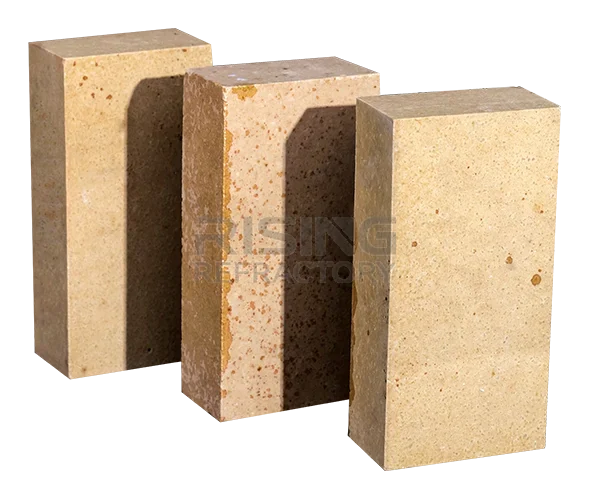
Refractory Bricks
Silica Brick
Silica refractory brick with high hot strength and high refractoriness under load, resistant to acid slag and dimensionally stable in long-term high-temperature service.
View ProductGradesBG-96A · BG-96B · BG-95 · JG-94 · GZ-94
Refractory Bricks
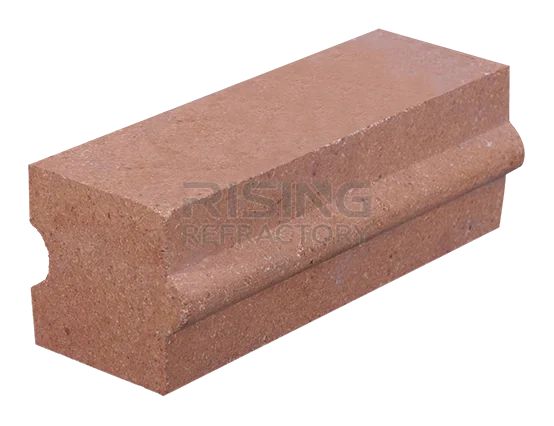
Low-Porosity Clay Brick
Dense fireclay brick with low apparent porosity, high cold crushing strength and good resistance to acid and slag erosion.
View ProductGradesZMN-45 · ZMN-42 · ZMN-42L · ZMN-40
Refractory Bricks
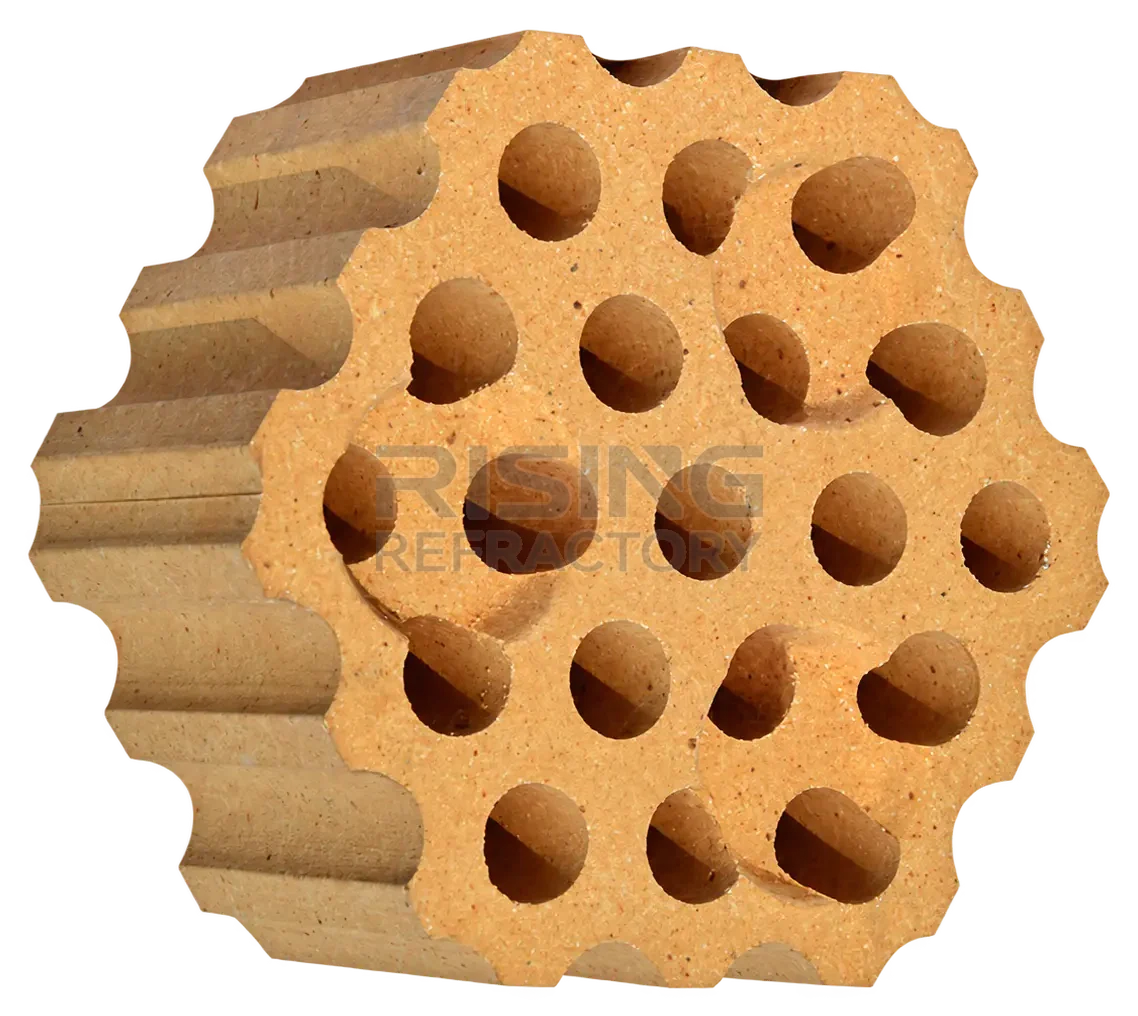
Low-Creep Clay Brick
Fireclay brick with good volume stability at medium and high temperature, low high-temperature creep and good corrosion and thermal shock resistance.
View ProductGradesDRN-128 · DRN-125 · DRN-120 · DRN-115
Refractory Bricks
Fused Silica Brick
Fused silica brick with an extremely low linear expansion coefficient, excellent thermal shock resistance, high refractoriness, low thermal conductivity and excellent corrosion resistance. Grades FS97 to FS99.
View ProductGradesFS97 · FS98 · FS99
Alumina–silica and corundum bricks
7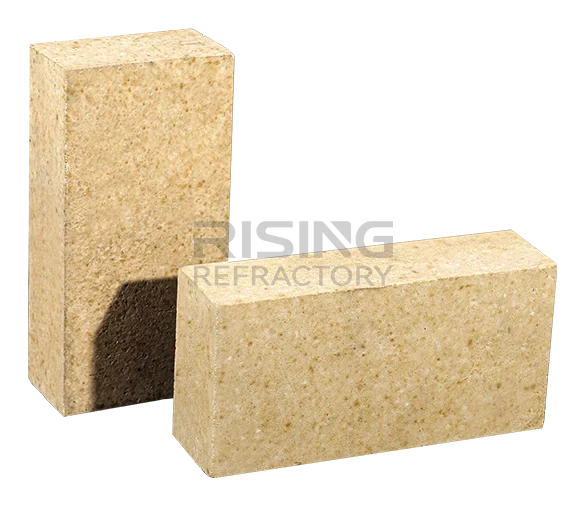
Refractory Bricks
High Alumina Brick
Neutral alumina–silica refractory brick with resistance to both acidic and alkaline slag, high cold crushing strength and high refractoriness under load. Six grades from LZ-48 to LZ-80.
View ProductGradesLZ-80 · LZ-75 · LZ-70 · LZ-65 · LZ-55 · LZ-48
Refractory Bricks
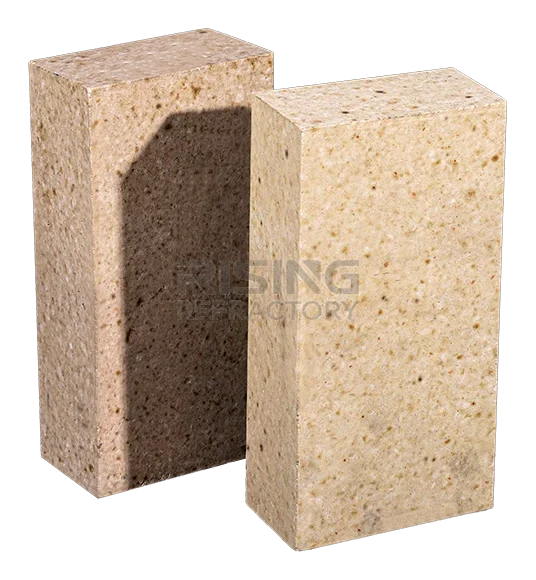
Anti-Stripping High Alumina Brick
High alumina brick with excellent thermal shock and spalling resistance and resistance to alkali, sulfur and chlorine attack, in grades GKBL70 and KBL75.
View ProductGradesGKBL70 · KBL75
Refractory Bricks
Corundum Mullite Brick
Corundum–mullite brick for high-temperature service with high cold crushing strength, high refractoriness under load and good thermal shock resistance, in grades GMZ-75 to GMZ-90.
View ProductGradesGMZ-90 · GMZ-85 · GMZ-80 · GMZ-75
Refractory Bricks
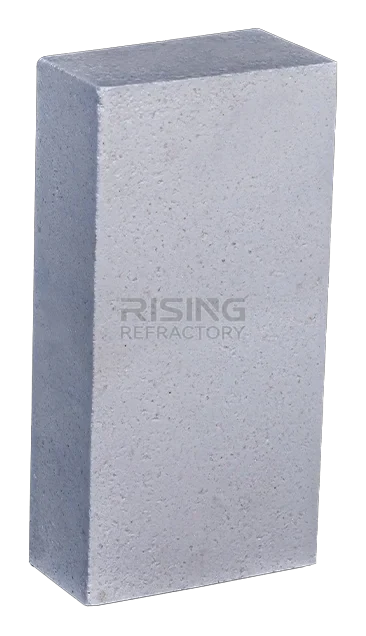
Corundum Brick
Dense corundum brick with high refractoriness under load and good chemical stability against acidic and alkaline slag, metal and molten glass, in grades GYZ-95 to GYZ-99A.
View ProductGradesGYZ-99A · GYZ-99B · GYZ-98 · GYZ-95
Refractory Bricks
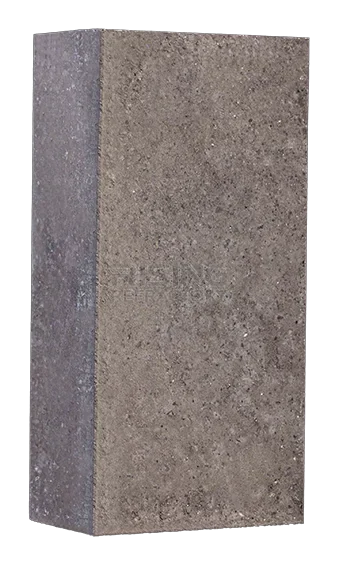
Phosphate Bonded High Alumina Brick
Unfired phosphate-bonded high alumina bricks in three types: phosphate high alumina brick (PA), phosphate wear-resistant brick (PW) and special phosphate brick (SP), with high strength and a compact structure.
View ProductGradesPA · PW · SP
Refractory Bricks
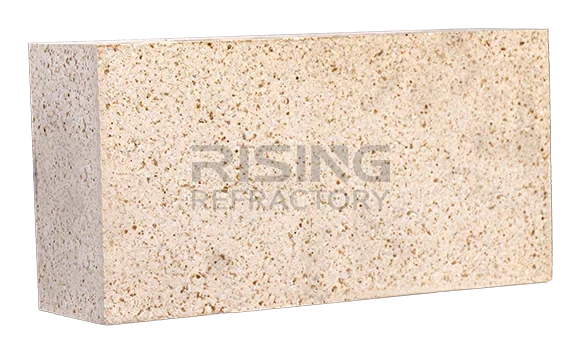
Sillimanite Brick
Sillimanite brick with a low thermal expansion rate, good resistance to metallurgical slag and molten glass, good hot wear resistance, low glass contamination and high refractoriness under load. Grades 65 and 60.
View ProductGradesSillimanite Brick 65 · Sillimanite Brick 60
Refractory Bricks
Andalusite Brick
Low-impurity andalusite brick whose hot strength decreases very little, with strong thermal shock and slag resistance, high refractoriness under load and very high chemical stability. Grades RH135 to RH155.
View ProductGradesRH155 · RH150 · RH145 · RH140 · RH135
Magnesia and basic bricks
5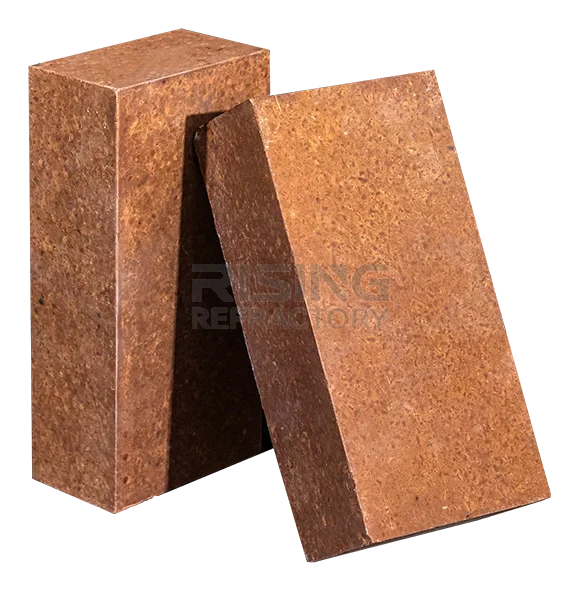
Refractory Bricks
Magnesia Brick
Basic refractory brick with strong resistance to alkaline slag, high refractoriness and high refractoriness under load, in seven grades from M89 to M98.
View ProductGradesM98 · M97A · M97B · M95A · M95B · M91 · M89
Refractory Bricks
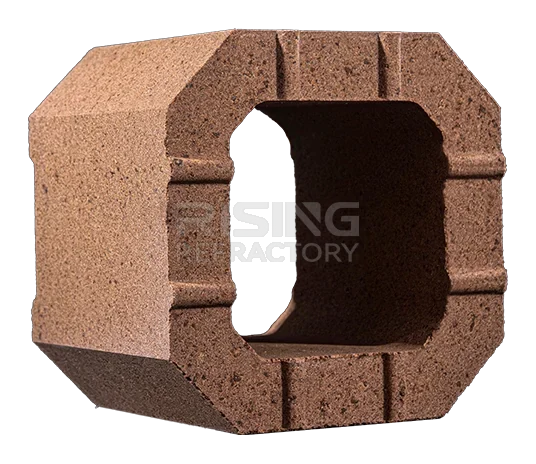
Magnesia Zirconia Brick
Basic brick with a compact structure, high hot strength and excellent kiln-coating adhesion, for cement kiln firing zones and glass kiln regenerators. Grades MZ8, MZ10 and MZ13.
View ProductGradesMZ8 · MZ10 · MZ13
Refractory Bricks
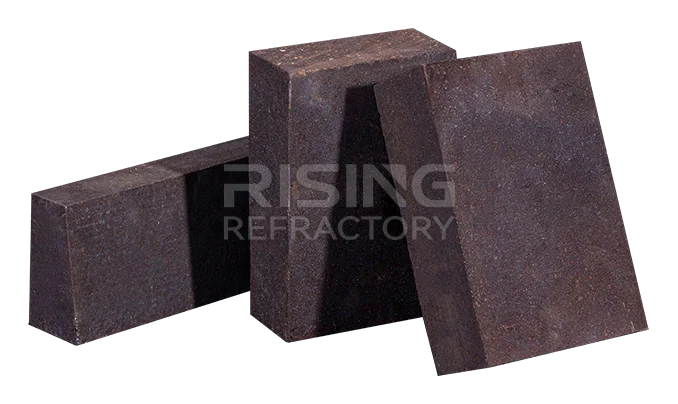
Magnesia Chrome Brick
Basic magnesia–chrome bricks in four product types: ordinary, direct-bonded, fused semi-rebonded and fused rebonded, covering 23 grades for demanding basic-slag service.
View ProductGradesMG-16A · MG-16B · MG-12A · MG-12B · MG-8A · MG-8B · ZMG-16A · ZMG-12A · ZMG-8A · ZMG-6 · BMG-26 · BMG-24 · BMG-22 · BMG-20A · BMG-18 · BMG-16A · BMG-12A · DMG-26 · DMG-24 · DMG-22 · DMG-20 · DMG-16 · DMG-12
Refractory Bricks
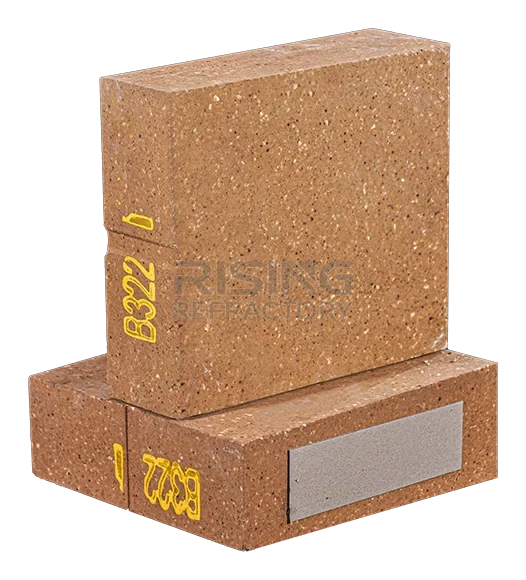
Magnesia-Alumina Spinel Brick
Magnesia spinel brick with uniform expansion and contraction under temperature fluctuation, better thermal shock resistance, refractoriness under load and strength than magnesia brick. Grades MLJ-75 to MLJ-90.
View ProductGradesMLJ-90 · MLJ-85 · MLJ-80 · MLJ-75
Refractory Bricks
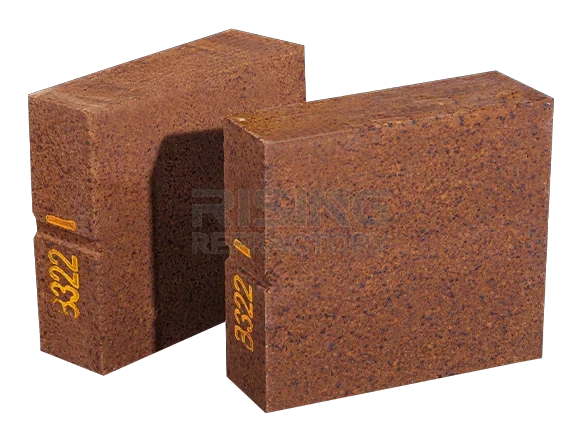
Magnesia-Iron Spinel Brick
Chrome-free basic brick for the cement kiln firing zone, with excellent kiln-coating adhesion, good thermal shock resistance, cement clinker resistance and low thermal expansion. Standard (MIS) and high-toughness (HMIS) types.
View ProductGradesMIS · HMIS
Carbon-bonded bricks
4Refractory Bricks
Sintered Microporous Alumina Carbon Brick
Fired alumina–carbon brick with a microporous structure, excellent resistance to alkali and titanium slag attack, non-wetting to slag and melt, and high strength. Grades WLT1 and WLT2.
View ProductGradesWLT1 · WLT2
Refractory Bricks
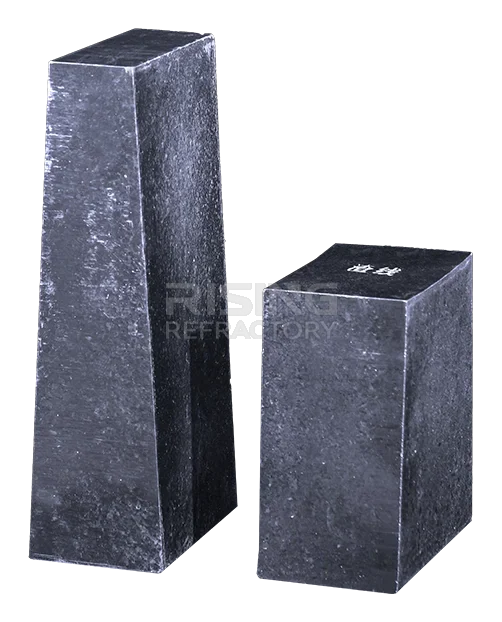
Magnesia Carbon Brick
Carbon-bonded magnesia brick combining the slag resistance of magnesia with the thermal conductivity and low expansion of carbon, in grades MT10A to MT18A by carbon content.
View ProductGradesMT10A · MT12A · MT14A · MT16A · MT18A
Refractory Bricks
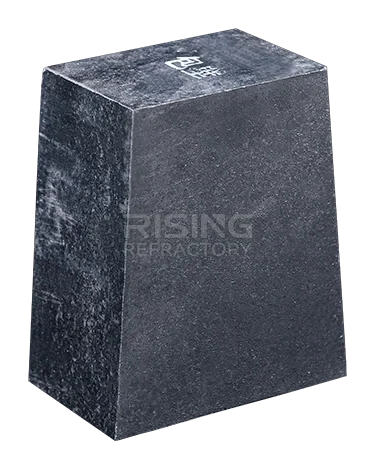
Alumina Magnesia Carbon Brick
Carbon-bonded alumina–magnesia brick with strong resistance to erosion, spalling and molten steel washing, low steel and slag adhesion and easy removal. Grades LMT55 to LMT75.
View ProductGradesLMT75 · LMT70 · LMT65 · LMT60 · LMT55
Refractory Bricks
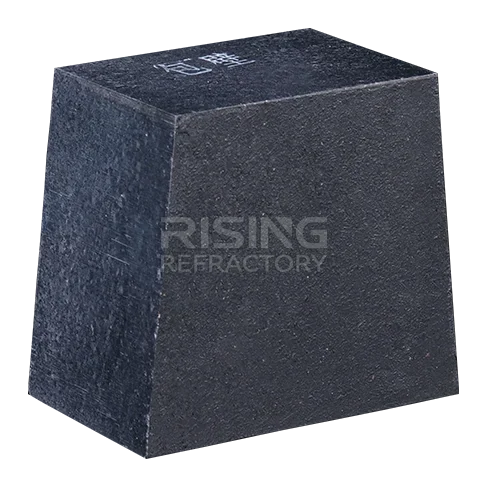
Al₂O₃-SiC-C Brick
Alumina–silicon carbide–carbon brick with good erosion and slag resistance, high refractoriness under load, good thermal shock resistance and high hot strength. Grades ASC-1 to ASC-4.
View ProductGradesASC-1 · ASC-2 · ASC-3 · ASC-4
Zirconia and chrome bricks for glass and gasifier service
5Refractory Bricks
Sintered Zirconia Corundum Brick
Sintered zirconia–corundum brick with high strength, strong resistance to molten glass and better thermal shock resistance than fused-cast AZS, in grades AZS16, AZS20 and AZS32.
View ProductGradesAZS16 · AZS20 · AZS32
Refractory Bricks
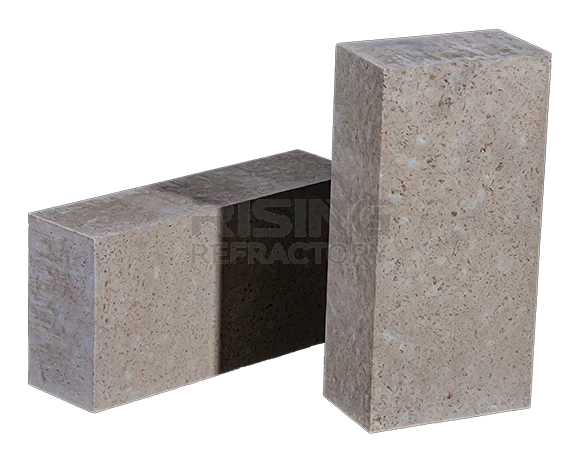
Dense Zircon Brick
High-density zircon brick with very low porosity, excellent mechanical strength and good resistance to molten glass, used mainly in glass melting furnaces. Grades ZS-G and ZS-Z.
View ProductGradesZS-G · ZS-Z
Refractory Bricks
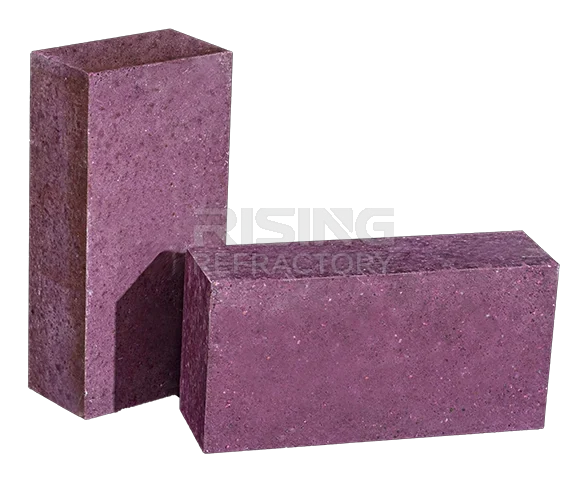
Chrome Corundum Brick
Chrome–corundum brick with high refractoriness, high strength, high refractoriness under load and excellent thermal shock resistance, resistant to steel slag, non-ferrous slag, gasifier slag and glass melts. Grades GGZ-5 to GGZ-30.
View ProductGradesGGZ-5 · GGZ-12 · GGZ-20 · GGZ-30
Refractory Bricks
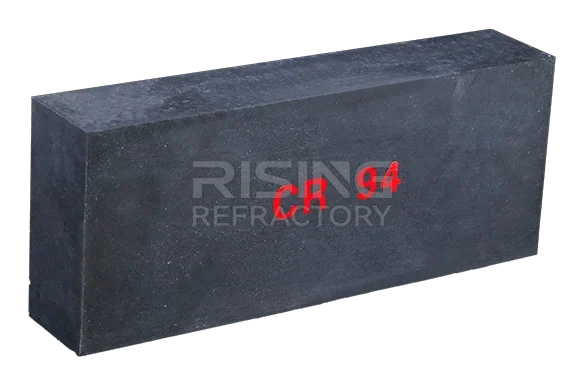
High Chrome Brick
High-chromia brick with excellent corrosion resistance, high cold crushing strength, excellent wear resistance and good thermal shock resistance, for coal slag and molten glass contact. Grades GGZ-75 to GGZ-95.
View ProductGradesGGZ-75 · GGZ-85 · GGZ-90 · GGZ-95
Refractory Bricks
High Zirconia Brick
Brick of baddeleyite phase with a small glass matrix, giving extremely high corrosion resistance, very low blistering and stoning and almost no glass contamination, for glass furnace walls, bottoms, throats, electrode blocks and sills.
View ProductGradesHigh Zirconia Brick
Fused cast bricks
3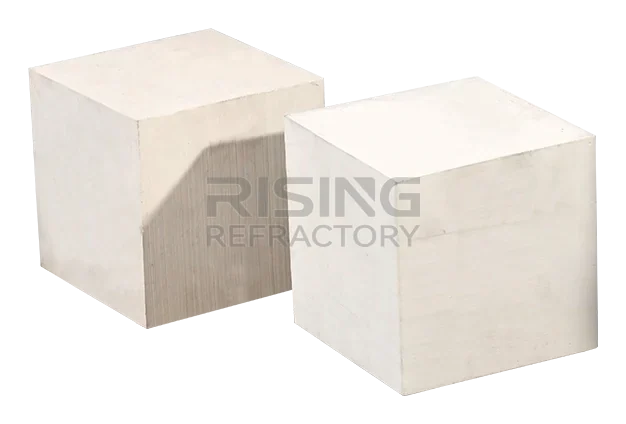
Refractory Bricks
Fused Zirconia Corundum Brick (AZS)
Fused-cast AZS brick for glass tank furnaces, with high resistance to molten glass and low glass contamination, in grades AZS33Y, AZS36Y and AZS41Y with ordinary, quasi-void-free and void-free casting.
View ProductGradesAZS33Y · AZS36Y · AZS41Y
Refractory Bricks
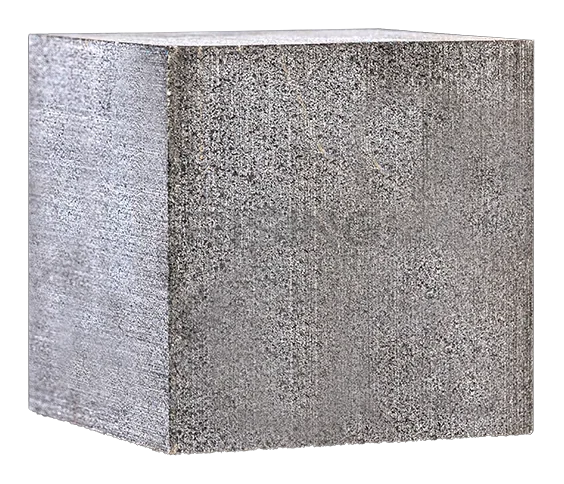
Fused Cast Mullite Brick
Dense fused-cast mullite and zirconia-mullite bricks with high refractoriness under load, high hot strength, wear and corrosion resistance and better thermal shock resistance than other fused-cast bricks.
View ProductGradesFused Cast Mullite Brick-FM · Fused Cast Zirconia Mullite Brick-ZM
Refractory Bricks
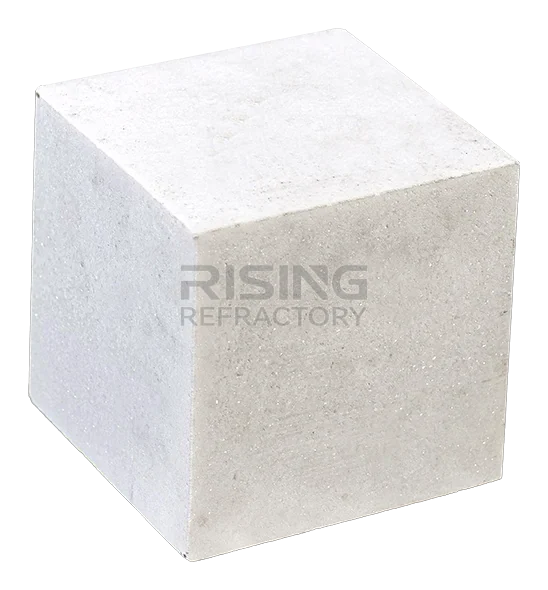
Fused Corundum Brick
Fused-cast corundum brick based on α- and β-alumina crystal phases, with dense crystals, excellent resistance to molten glass and high-temperature wear, and no contamination of the glass. Grades RA-αβ and RA-β.
View ProductGradesRA-αβ · RA-β
Acid- and alkali-resistant bricks
2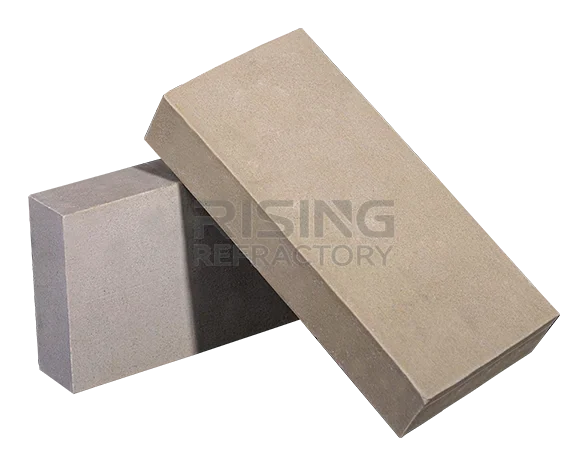
Refractory Bricks
Acid-Resistant Brick
Acid-resistant brick with excellent resistance to organic and inorganic acids except hydrofluoric acid, good strength and wear resistance, for acid flues, autoclaves, recovery pots and acid-resistant tanks. Grades Z-1 to Z-4.
View ProductGradesZ-1 · Z-2 · Z-3 · Z-4
Refractory Bricks
Alkali-Resistant Brick
Alkali-resistant brick with high strength and good volume stability that forms a high-viscosity glass phase on contact with alkali to block alkaline slag, in ordinary, high-strength, arch and lightweight types.
View ProductGradesPT · HS · DT · LW
Technical Consultation
Discuss your requirement with our technical team
Share your application, service conditions and quantities. Our engineers confirm the suitable grade and return a structured quotation.
Request a quote for prices and lead times, a TDS for the grade’s data sheet, or technical information for a selection or specification question.
Technical data sheets are supplied on request with the quotation.Request TDS