
Product family
Refractory Castables & Monolithic Refractories
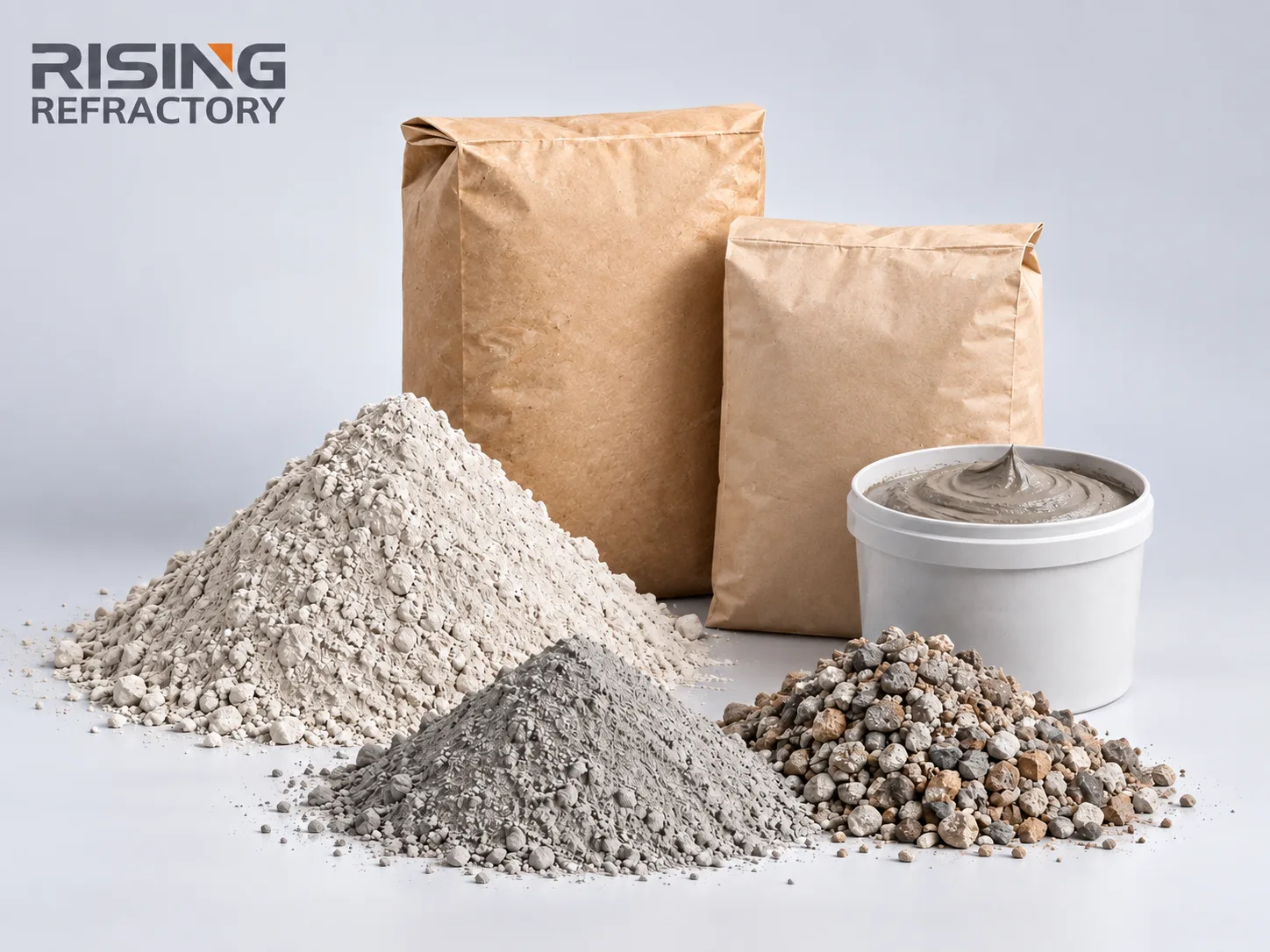
Monolithic refractories are unshaped refractory materials — castables, plastics and ramming mixes, gunning mixes and mortars — installed in place to build, maintain or repair a furnace lining instead of being laid as individual bricks. RISING REFRACTORY publishes 17 monolithic products in four groups; the castables are the largest group.
17 products
What is a refractory castable?
A refractory castable is a monolithic refractory supplied as a dry mix and placed by casting, either in position or as precast shapes. In the RISING catalogue, castables differ by their bond — calcium aluminate cement, low or ultra-low cement, phosphate, hydration-and-coagulation or aluminium sulfate bond — and by their main material: clay, high alumina, corundum, fused silica, hollow alumina spheres, alumina–magnesia or alumina–silicon carbide–carbon.
The bond changes how the material behaves in service. Unlike conventional cement-bonded castables, whose strength drops significantly between 800 and 1200 ℃, low- and ultra-low-cement castables gain strength as the temperature rises; phosphate-bonded castable has a higher cold crushing strength and better thermal shock resistance than calcium aluminate cement-bonded castable. Each product page publishes the specification table the comparison is made from.
Product groups in this family
Four groups, each with its own installation form. Every product named below has a page with its published specification.
Castables
Dense low- and ultra-low-cement castables in clay, high alumina and corundum types; phosphate-bonded castable; wear-resistant and steel-fiber-reinforced castables for abrasion and thermal cycling; lightweight insulation castable and alumina bubble castable for insulating and permanent layers; acid-resistant, alkali-resistant, alumina–magnesia, Al₂O₃-SiC-C and fused silica castables for specific service conditions.
- Low & Ultra-Low Cement Castable
- Phosphate Bonded Castable
- Wear-Resistant Refractory Castable
- Steel Fiber Reinforced Castable
- Lightweight Insulation Castable
- Alumina Bubble Castable
- Acid-Resistant Castable
- Alkali-Resistant Refractory Castable
- Alumina Magnesia Castable
- Al₂O₃-SiC-C Castable
- Fused Silica Castable
Plastics and ramming mixes
Clay and high alumina refractory plastics, wear-resistant refractory plastic in high alumina, silicon carbide and zircon chrome corundum types, and dry ramming mass in acidic (quartz), neutral (spinel, corundum, mullite) and alkaline (magnesia) types.
Gunning mixes and coatings
Semi-lightweight and lightweight alumina silicate gunning mixes for insulating linings and low- to medium-temperature working linings, and a nano ceramic wear-resistant coating applied to severely worn areas below 1300 ℃, such as in large CFB boilers.
Mortars
Jointing mortars for brick masonry in four material systems — silica, alumina-silicate, magnesia and silicon carbide / carbon — each matched to the brick lining it joins and specified with its own grades.
How to choose a monolithic refractory
Selection starts from the service conditions, not from the product list. These are the points the technical team reviews, each with the published products it leads to.
Equipment and lining zone
A lining is built in layers. Dense castables, plastics and ramming mixes are specified in the industry matrices for working-layer positions; lightweight insulation castable, alumina bubble castable and the lightweight gunning mixes for the insulating and permanent layers behind them.
Operating temperature
The published tables state a maximum working temperature where the specification gives one — for example 1450, 1600 and 1800 ℃ for the clay, high alumina and corundum low-cement castables — and the operating temperature is the first service condition reviewed.
What the lining is in contact with
Molten iron and slag point to the Al₂O₃-SiC-C castable for iron and slag runners and to alumina magnesia castable for ladle and tundish linings; abrasion to the wear-resistant and steel-fiber-reinforced castables and the wear-resistant plastic; acids to the acid-resistant castable; alkali metal oxides and their compounds to the alkali-resistant castable.
Installation form
Castables are cast in place or as precast shapes; plastics and ramming masses are rammed; gunning mixes are gunned; mortars joint the bricks. The form follows the equipment and the repair or new-lining situation.
Dimensions and drawings
For monolithic materials a drawing is optional; the lining zone and the lining thickness help the technical team size the quotation.
Where monolithic refractories are specified
Taken from the refractory selection matrices of the published industry pages: each industry with the products of this family its source names.
What to send for a castable quotation
A complete enquiry covers the six items below. Send what you have; the rest is asked for during technical review.
- 01Product / material requirement
- 02Application / equipment
- 03Quantity
- 04Dimensions / drawings
- 05Technical specification / TDS
- 06Destination country / port
Mixing-water percentages, curing and dry-out schedules, anchor spacing and installation procedures are not published on this site; the technical team provides them for the product and lining zone you specify.
Products in this family
Castables
11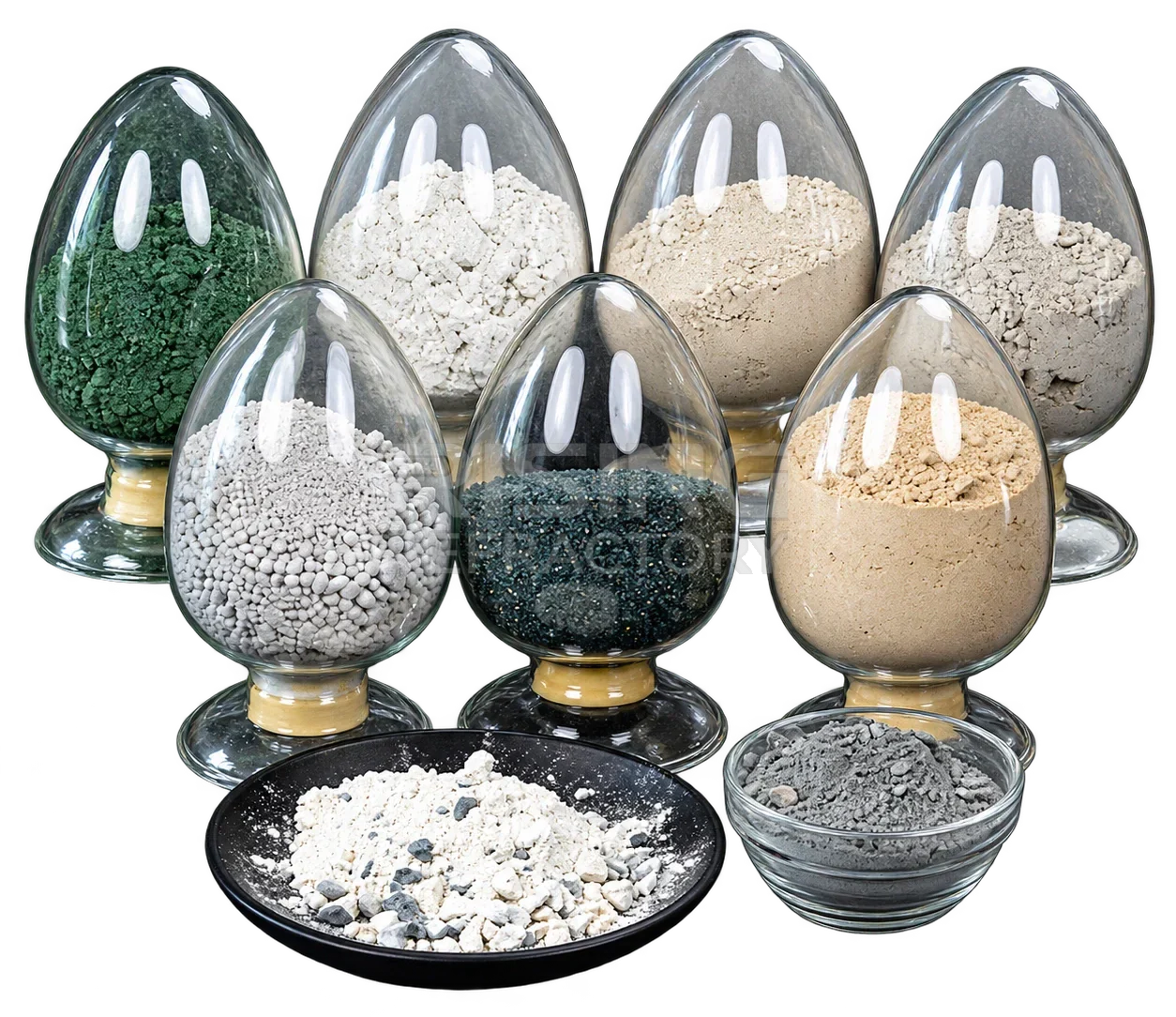
Monolithic Refractories
Low & Ultra-Low Cement Castable
Dense low- and ultra-low-cement castables in clay, high alumina and corundum materials, with small pore size, high density, good volume stability, high strength and low water addition.
View ProductGradesClay · High Alumina · Corundum
Monolithic Refractories
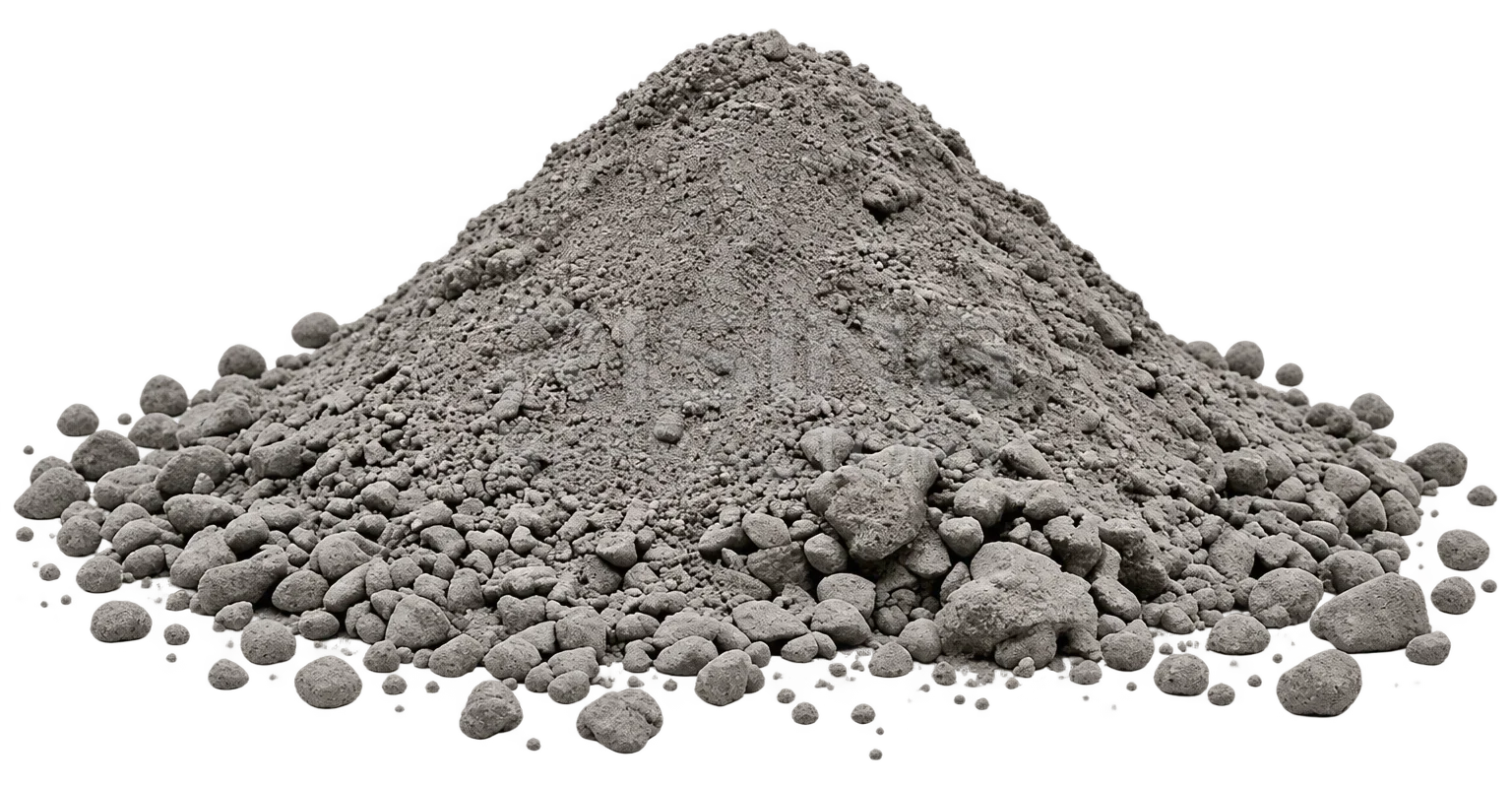
Phosphate Bonded Castable
Phosphate-bonded castable with better cold crushing strength and thermal shock resistance than calcium aluminate cement-bonded castable, in clay and two high alumina types.
View ProductGradesClay · High Alumina-A · High Alumina-B
Monolithic Refractories
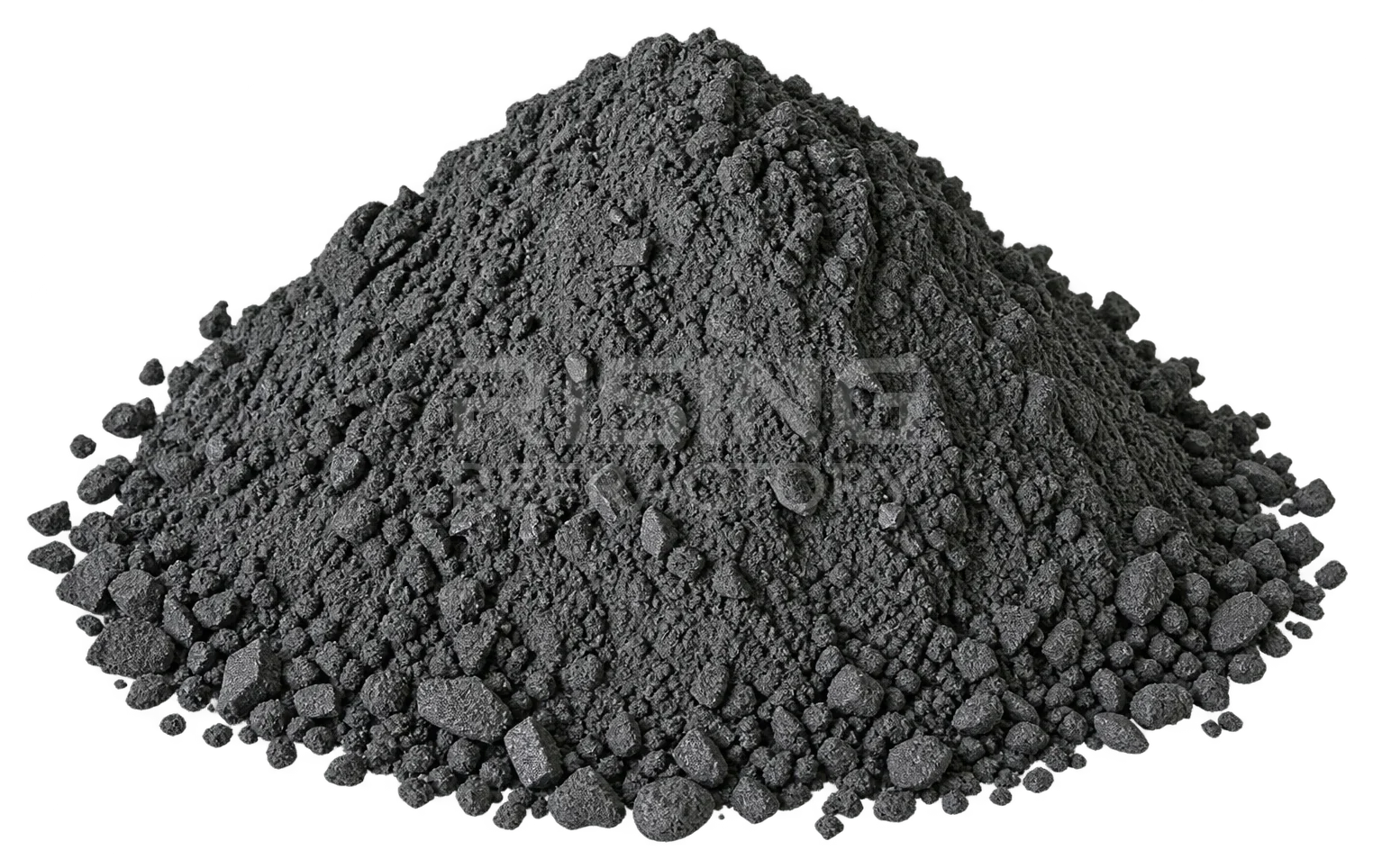
Al₂O₃-SiC-C Castable
Alumina–silicon carbide–carbon castable for iron and slag runners, with strong resistance to molten iron and slag, good thermal shock and oxidation resistance, and fast bake-out without bursting.
View ProductGradesSlag Line of Main Iron Runner · Iron Line of Main Iron Runner · Branch Iron Runner · Slag Runner
Monolithic Refractories
Acid-Resistant Castable
Castable resistant to all inorganic and organic acids except hydrofluoric and hot phosphoric acid, with high strength at room temperature and simple production and installation. Grades NS1 to NS3.
View ProductGradesNS1 · NS2 · NS3
Monolithic Refractories
Alkali-Resistant Refractory Castable
Light and dense alkali-resistant castables with high strength, strong resistance to alkali metal oxides and their compounds at medium and high temperature, and long service life.
View ProductGradesLight · Dense
Monolithic Refractories
Wear-Resistant Refractory Castable
High-strength castable with good volume stability, high wear resistance, good thermal shock and corrosion resistance and good resistance to cracking and spalling. Grades NM-1 to NM-4.
View ProductGradesNM-1 · NM-2 · NM-3 · NM-4
Monolithic Refractories
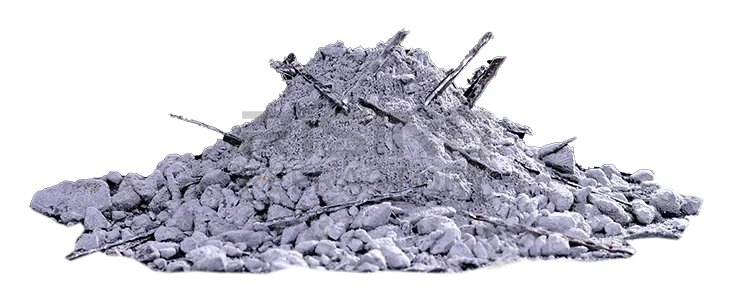
Steel Fiber Reinforced Castable
Castable reinforced with steel fiber for high strength, good toughness, thermal shock resistance, spalling resistance and wear resistance in kiln zones with large temperature gradients. Grades GNM60 to GNM90.
View ProductGradesGNM60 · GNM70 · GNM75 · GNM80 · GNM90
Monolithic Refractories
Lightweight Insulation Castable
Low-density insulating castable with low thermal conductivity, excellent thermal insulation and convenient installation, reducing furnace heat loss and lining weight. Grades LW0.6 to LW1.3.
View ProductGradesLW0.6 · LW0.8 · LW1.0 · LW1.1 · LW1.3
Monolithic Refractories
Alumina Magnesia Castable
Hydration- and coagulation-bonded alumina–magnesia castable for ladle and tundish linings, with high resistance to slag penetration and erosion, good spalling resistance and volume stability. Grades AMC70 to AMC95.
View ProductGradesAMC70 · AMC80 · AMC85 · AMC95
Monolithic Refractories
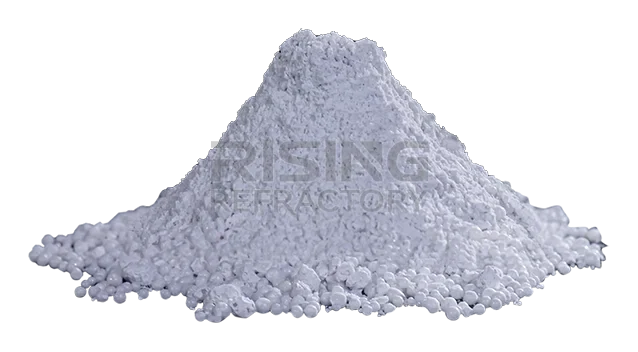
Alumina Bubble Castable
High-alumina insulating castable based on hollow alumina spheres, with high refractoriness under load, high strength and good insulation for service above 1600 ℃. Low cement and aluminium sulfate bonded types.
View ProductGradesLow cement bonder · Aluminum sulfate bonder
Monolithic Refractories
Fused Silica Castable
Fused silica castable with a low thermal expansion coefficient, low thermal conductivity, high refractoriness and good thermal shock resistance, in ordinary and high-strength types.
View ProductGradesOrdinary · Superior
Plastics and ramming mixes
3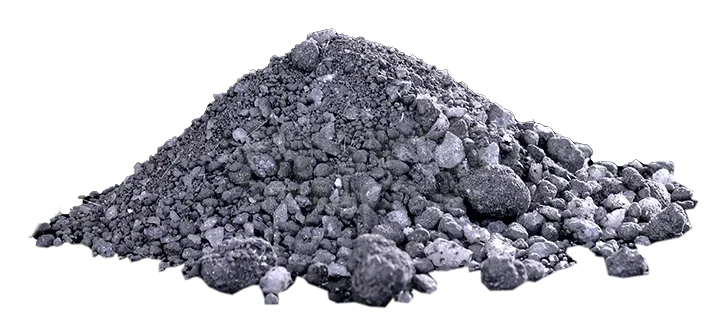
Monolithic Refractories
Clay & High Alumina Refractory Plastics
Clay and high alumina refractory plastics with good bonding strength at medium and high temperature, good abrasion resistance, thermal shock resistance and spalling resistance. Grades KSL35 to KSL80.
View ProductGradesKSL35 · KSL40 · KSL60 · KSL75 · KSL80
Monolithic Refractories
Wear-Resistant Refractory Plastic
Refractory plastic with convenient installation, good plasticity and a high-strength, wear-resistant working layer, in high alumina, silicon carbide and zircon chrome corundum types.
View ProductGradesNMK1 · NMK4 (SiC) · NMK5 (SiC) · NMK6 (SiC) · NMK7 (Zircon Chrome Corundum)
Monolithic Refractories
Dry Ramming Mass
Dry ramming masses in acidic, neutral and alkaline materials: quartz, magnesia, spinel, corundum and mullite types with specified composition, density, particle size and maximum working temperature.
View ProductGradesQuartz · Magnesia · Alumina Magnesia Spinel · Corundum · Mullite · Magnesia Alumina Spinel
Gunning mixes and coatings
2Monolithic Refractories
Alumina Silicate Gunning Mix
Semi-lightweight and lightweight alumina silicate gunning mixes for insulating linings and low- to medium-temperature working linings, with high adhesion and low rebound. Grades LGP0.8 to LGP1.8T.
View ProductGradesLGP0.8 · LGP1.0 · LGP1.3 · LGP1.5 · LGP1.8 · LGP1.8T
Monolithic Refractories
Nano Ceramic Wear-Resistant Coating
Surface-applied ceramic coating with high strength, excellent wear resistance and close bonding to the substrate, for severely worn areas below 1300 ℃ such as large CFB boilers.
View ProductGradesSpecification
Technical Consultation
Discuss your requirement with our technical team
Share your application, service conditions and quantities. Our engineers confirm the suitable grade and return a structured quotation.
Request a quote for prices and lead times, a TDS for the grade’s data sheet, or technical information for a selection or specification question.
Technical data sheets are supplied on request with the quotation.Request TDS