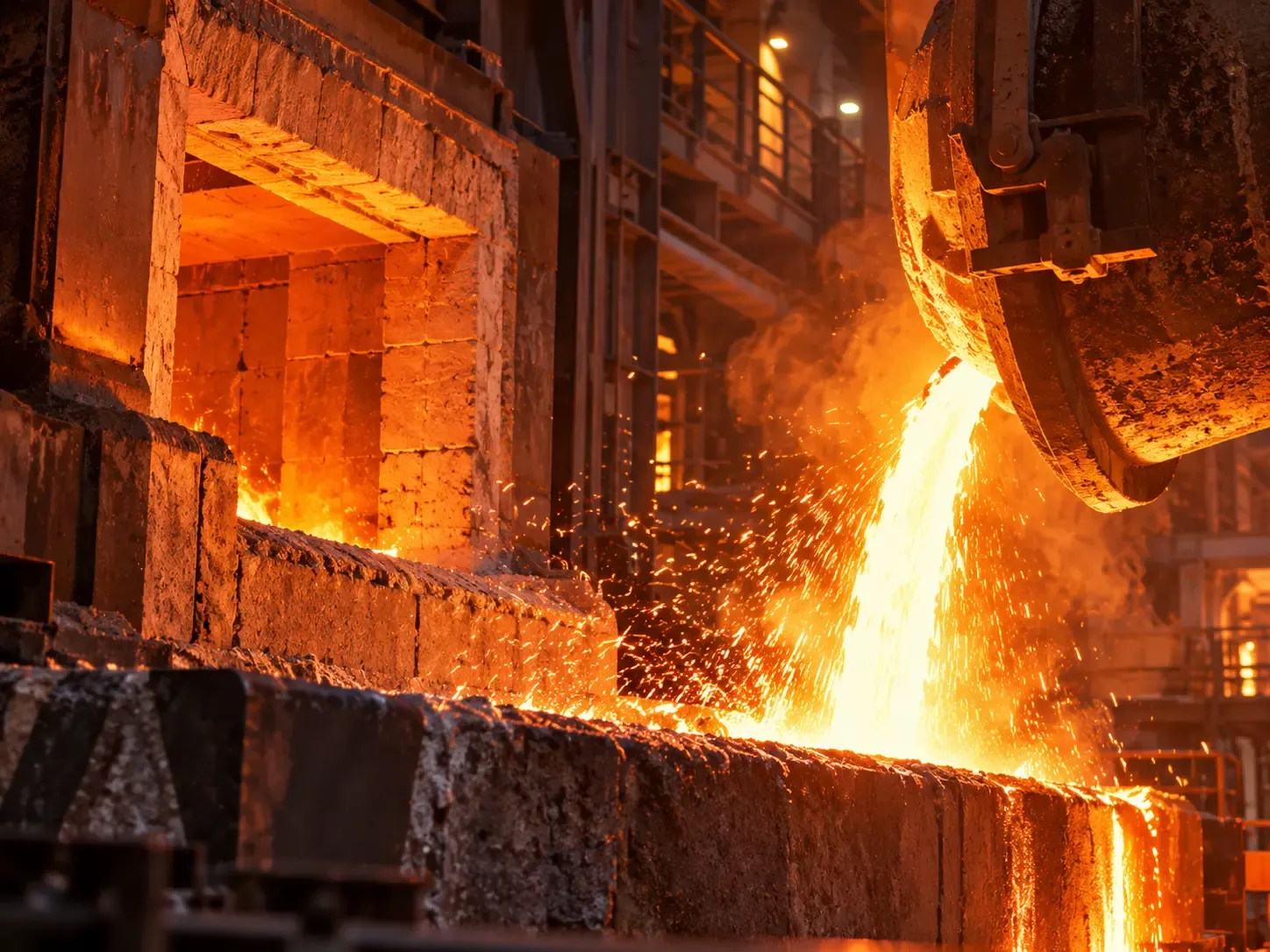
01 High Temperature & Thermal Shock
Materials designed for repeated heating, cooling and severe temperature fluctuations.
Answered by
Refractory Solutions
From material selection and lining design to customized production and technical support, RISING develops refractory solutions around your equipment, operating conditions and service-life requirements.
Solution areas
A refractory lining is not one material. It is built in layers: a working layer against the process, a permanent layer behind it, an insulation layer behind that, and the steel shell outside. Each layer is supplied from a different product family, and the material in each changes with the equipment and the operating zone.
Read about furnace & kiln liningMaterial selection starts from the equipment, not from the product list. RISING reviews the equipment, the lining zone and the operating conditions first, proposes material types from the catalogue product families, and returns a structured quotation with the documentation needed to evaluate it. Selection continues past the material into the grade.
Read about engineering & material selectionRISING manufactures to customer specification as well as to catalogue. The manufacturing base supports custom requirements alongside consistent quality and international supply, and the refractory brick family covers custom shapes. Development normally starts from an existing grade and is confirmed against the operating conditions before production.
Read about custom developmentSupport runs from the first technical enquiry to the delivered material. Service conditions are reviewed before any material is proposed, quotations are structured for evaluation and tendering, technical data sheets are supplied with the quotation, material is packed and prepared for export to the destination port, and communication is available in English, Arabic and French.
Read about technical serviceOperating challenges
Refractory selection starts with the operating problem — not with a product catalogue.
Materials designed for repeated heating, cooling and severe temperature fluctuations.
Answered by
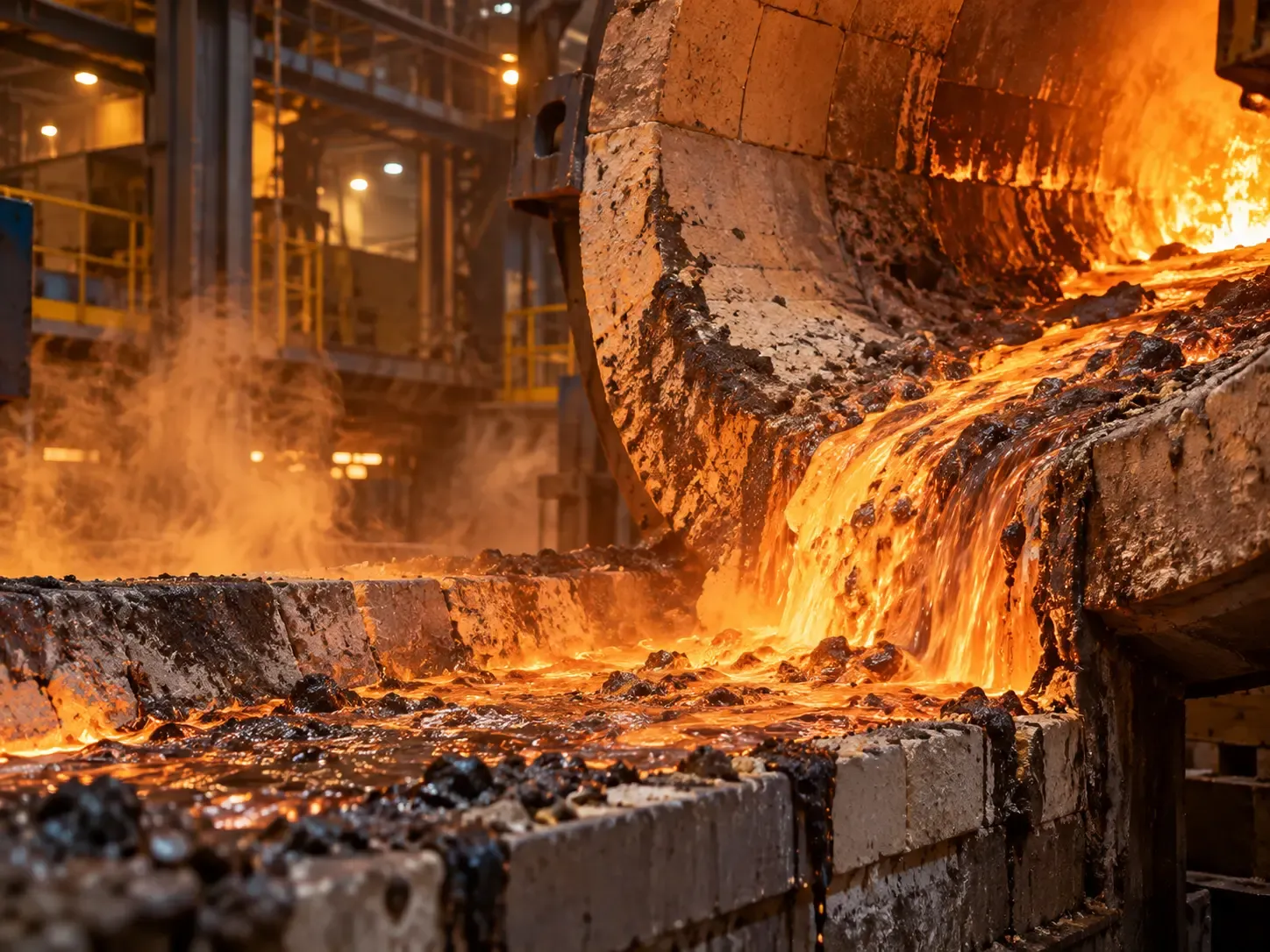
Refractory systems selected according to slag chemistry, atmosphere and process conditions.
Answered by
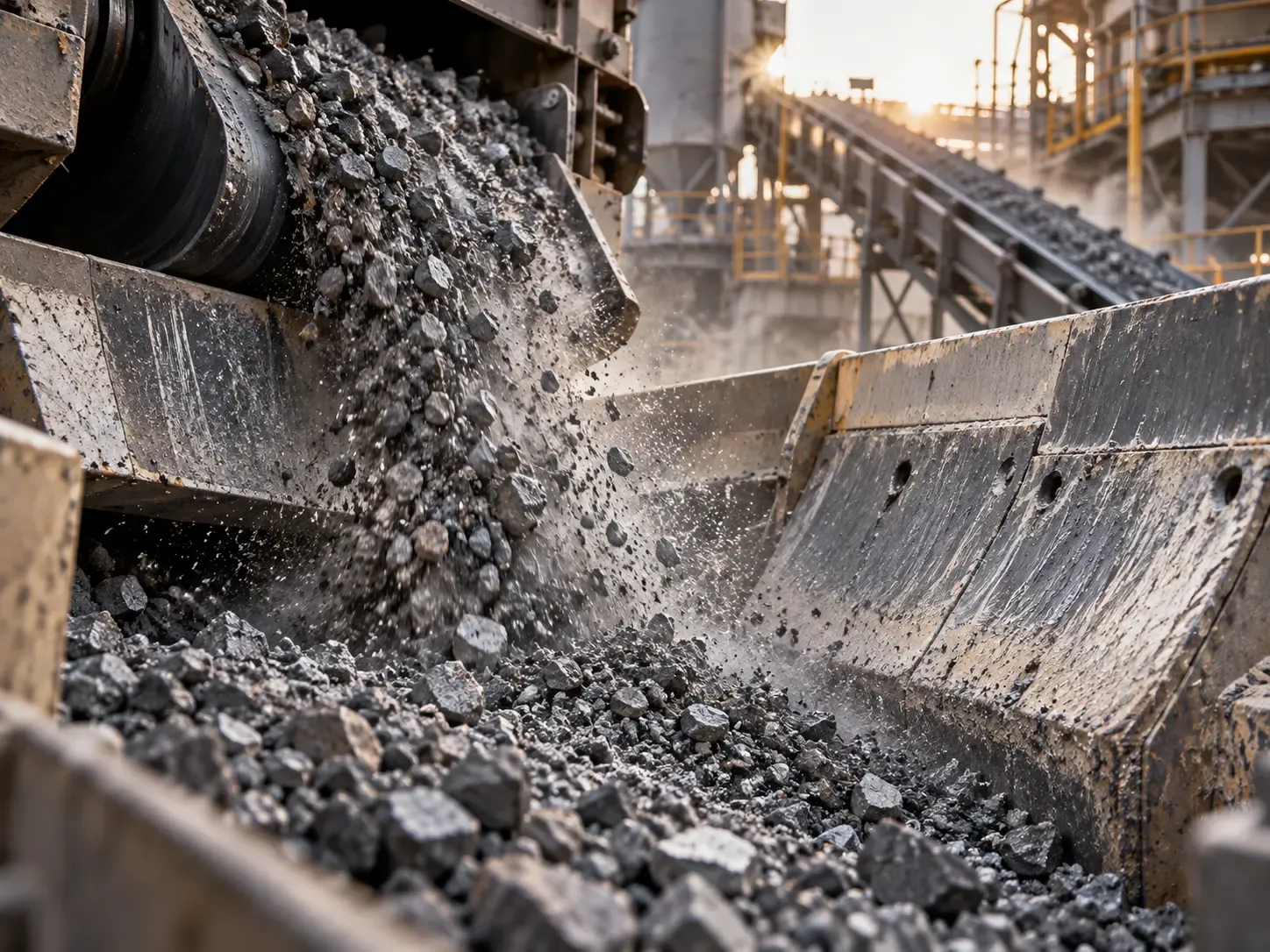
Dense, wear-resistant materials for high-flow, high-impact and abrasive environments.
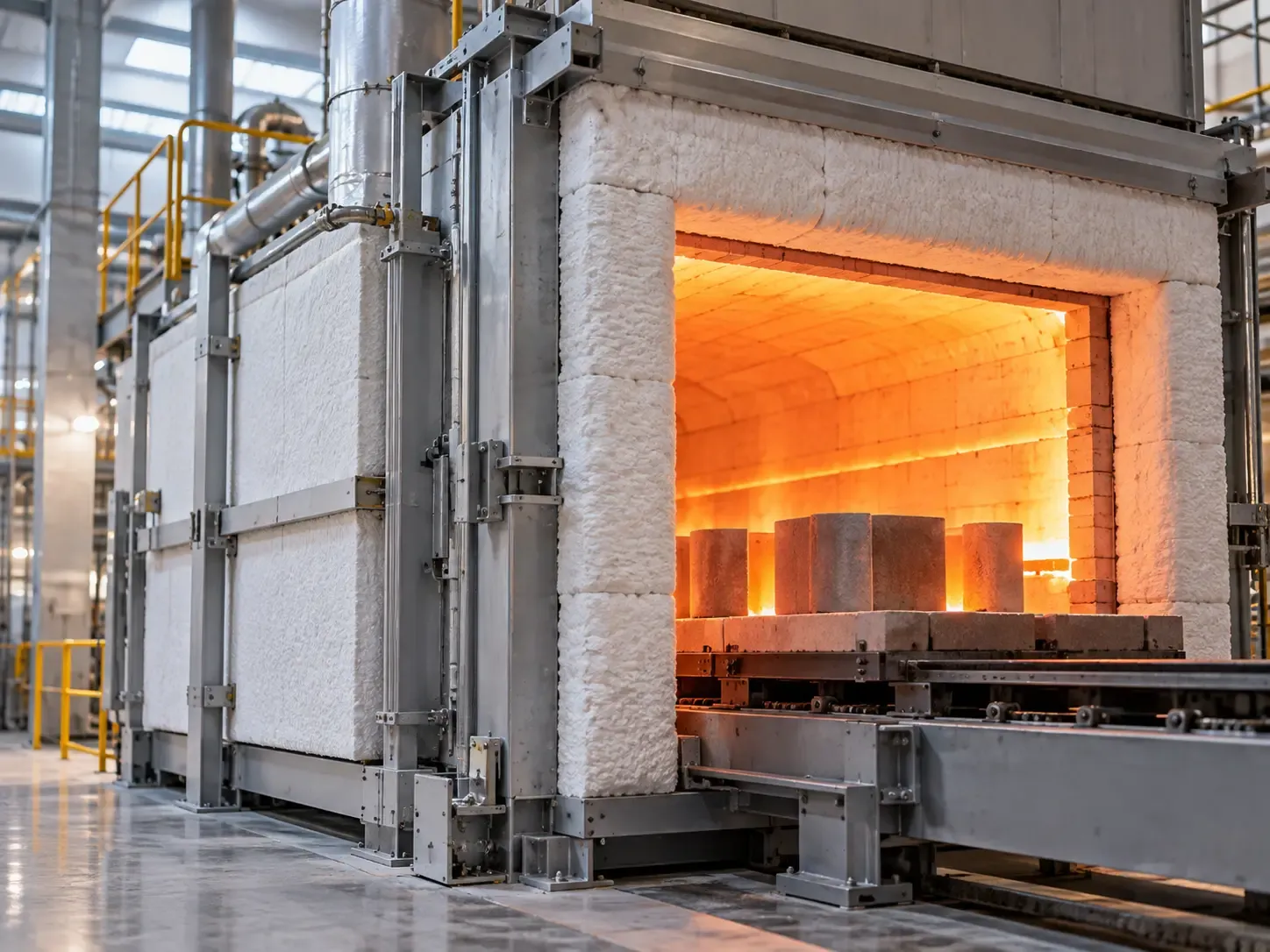
Insulating refractories and ceramic fiber systems designed to reduce shell temperature and thermal losses.
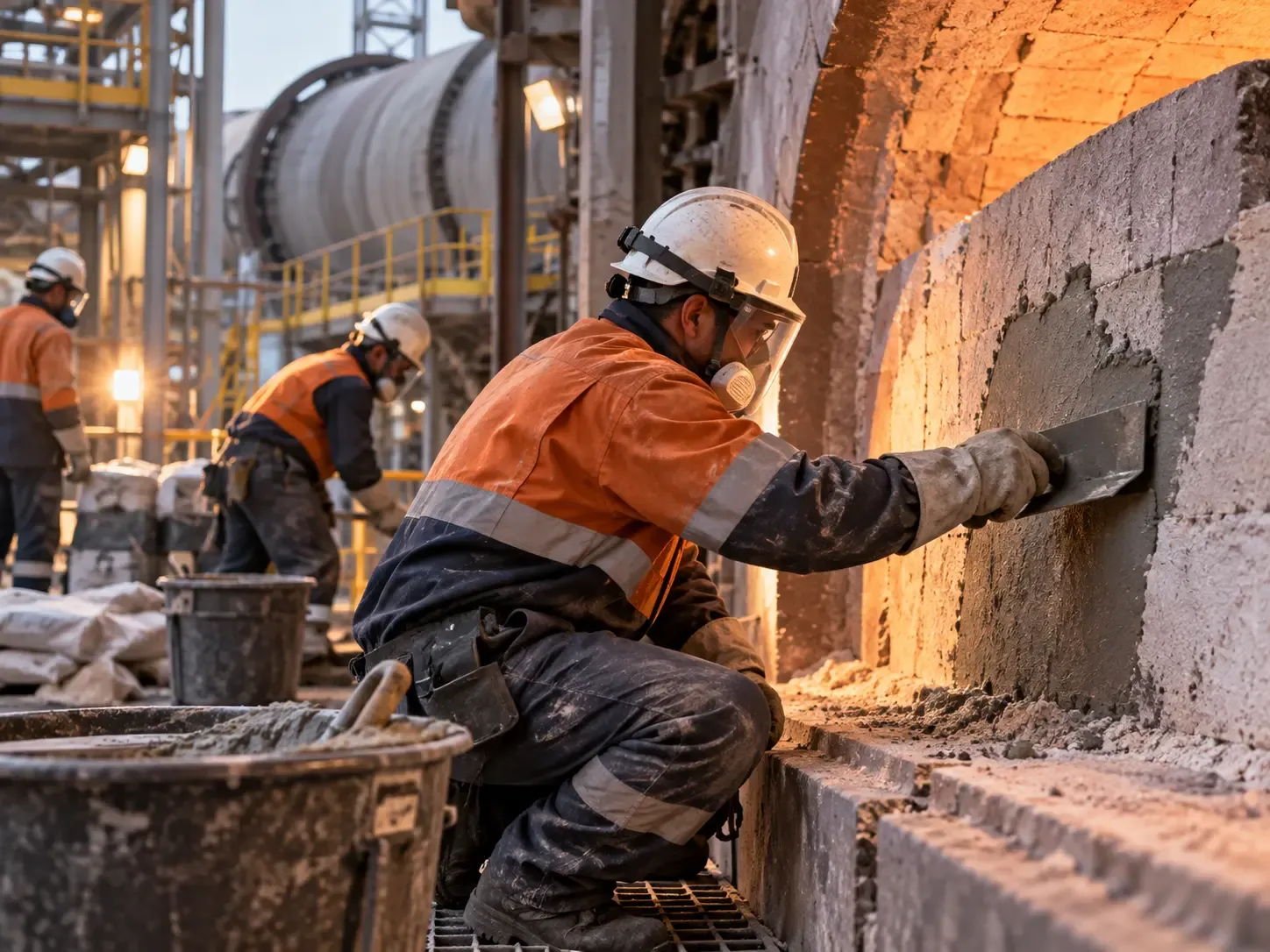
Castables, plastics, mortars and repair materials for maintenance and shutdown work.
Answered by
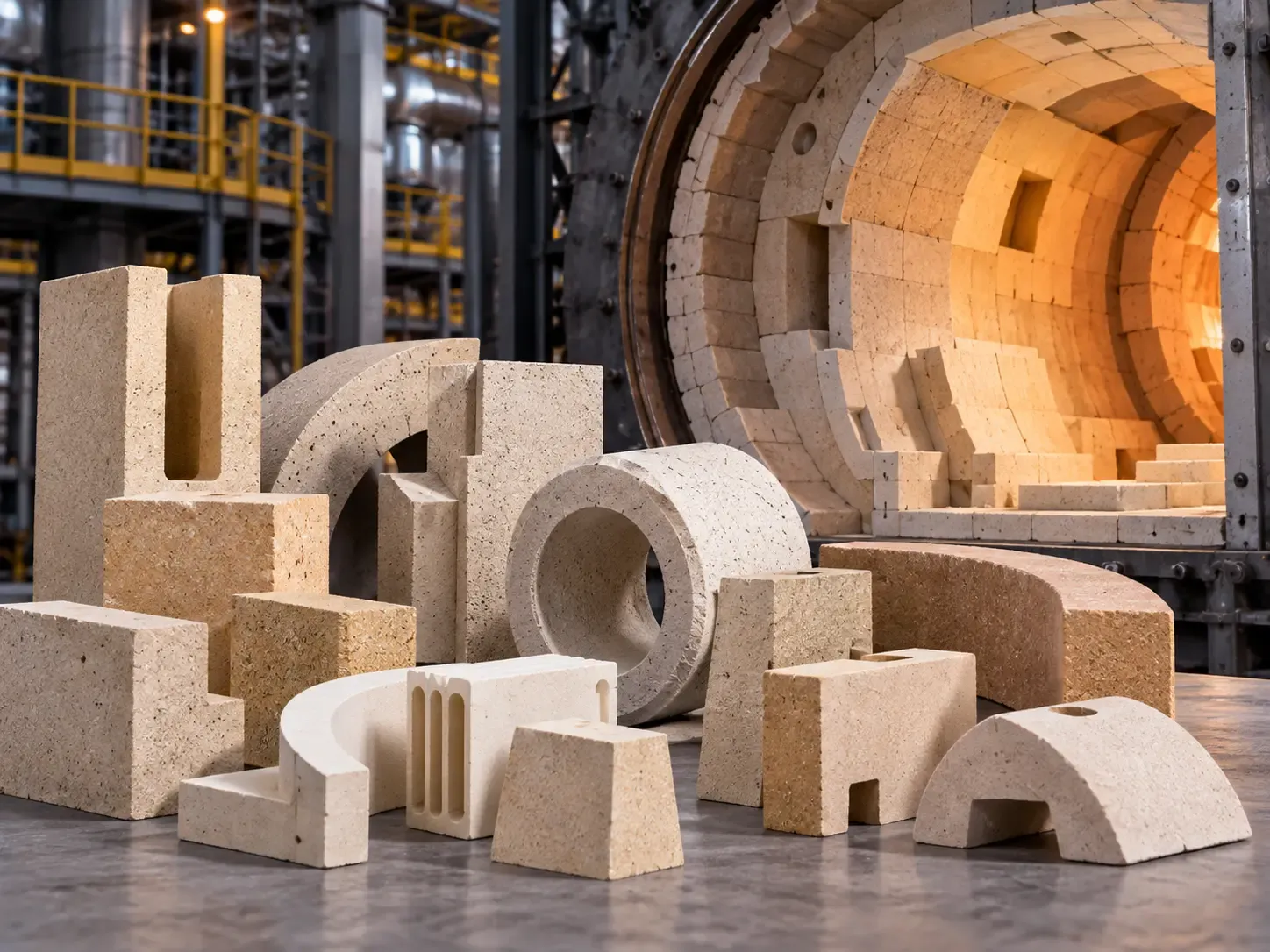
Customized bricks, precast shapes and engineered components manufactured to project drawings.
By equipment
Different equipment creates different thermal, chemical and mechanical demands. RISING matches refractory materials to the actual operating zone.
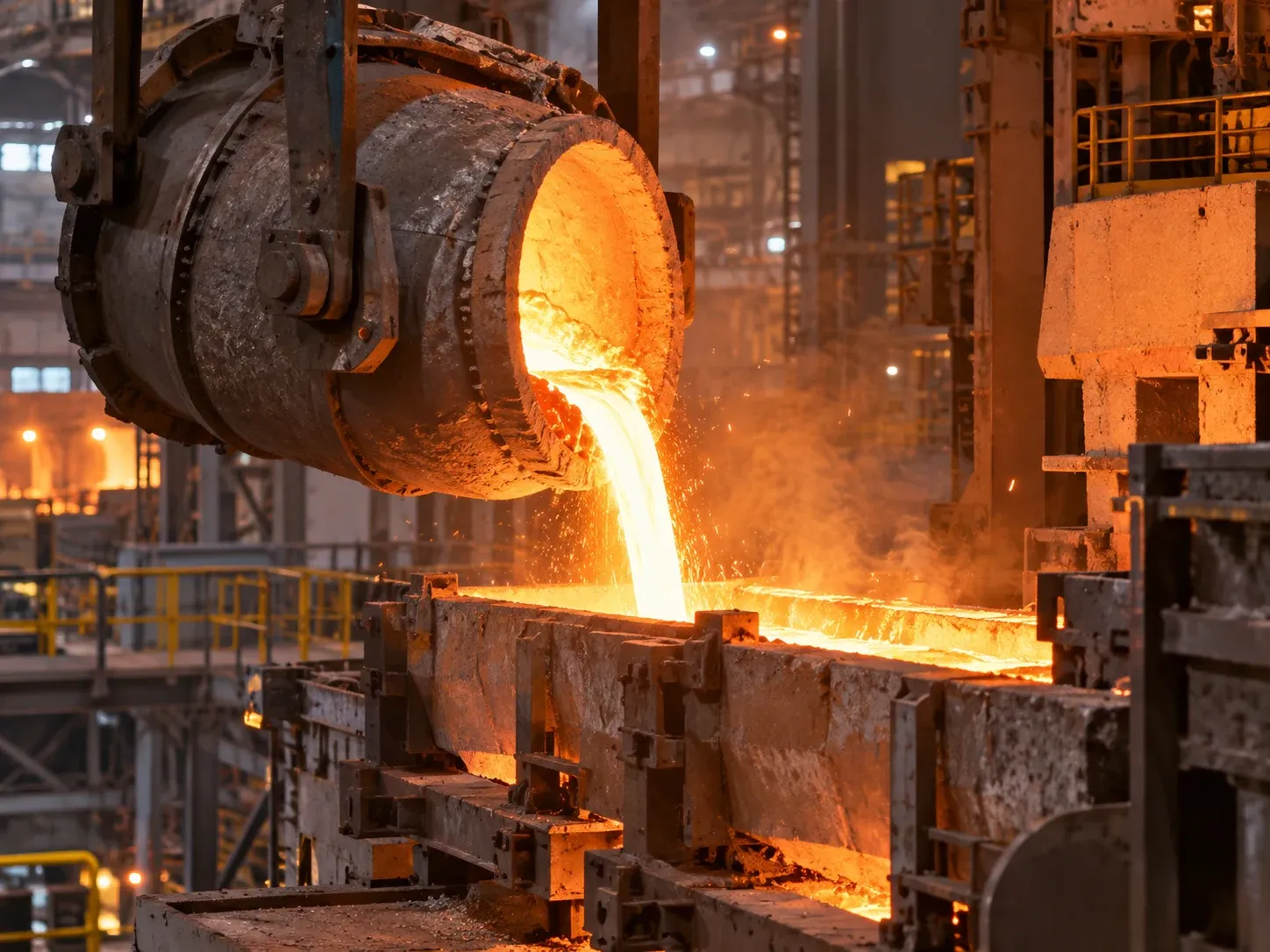 Steel & Iron
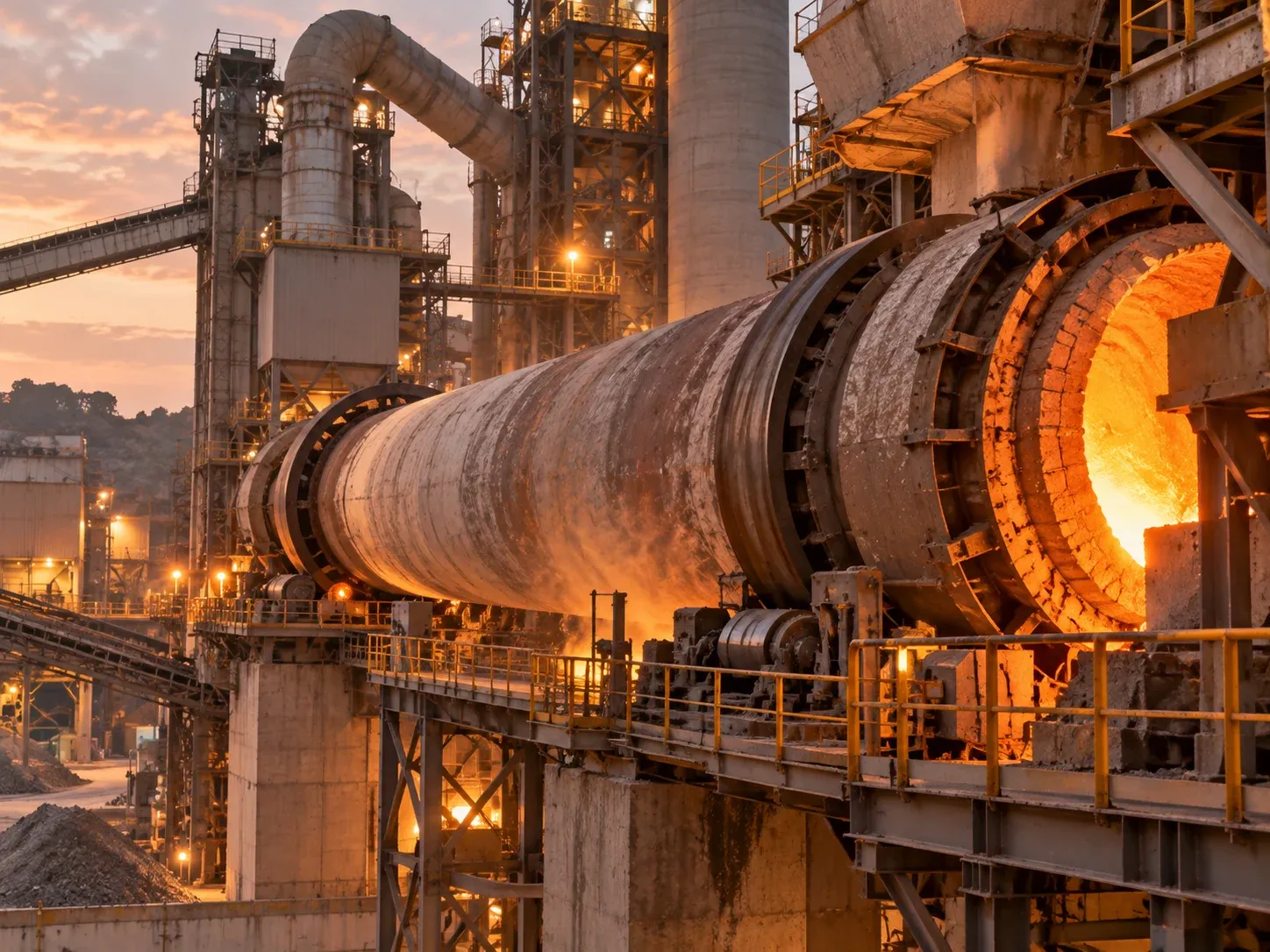 Cement
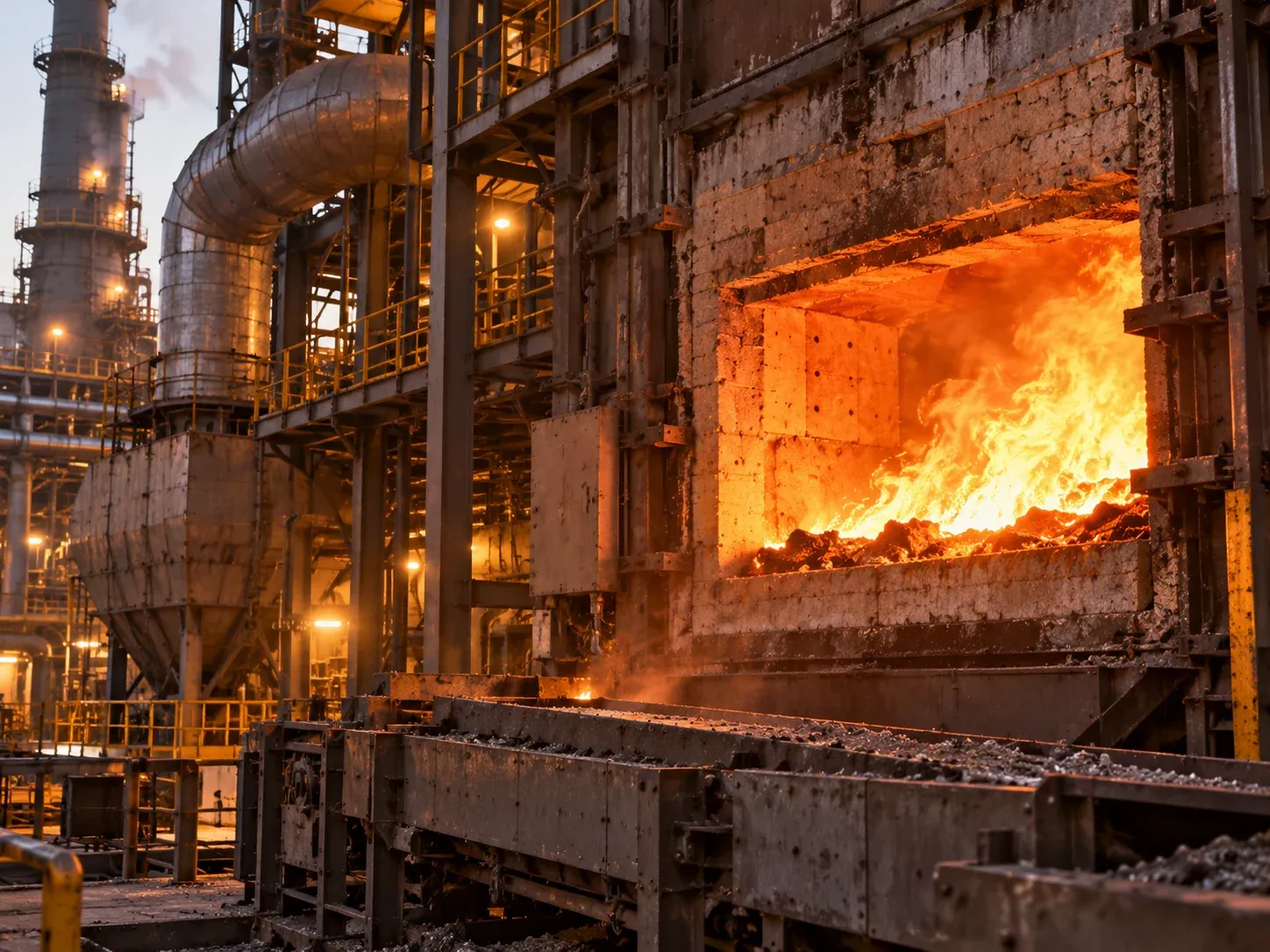 Power & CFB Boilers
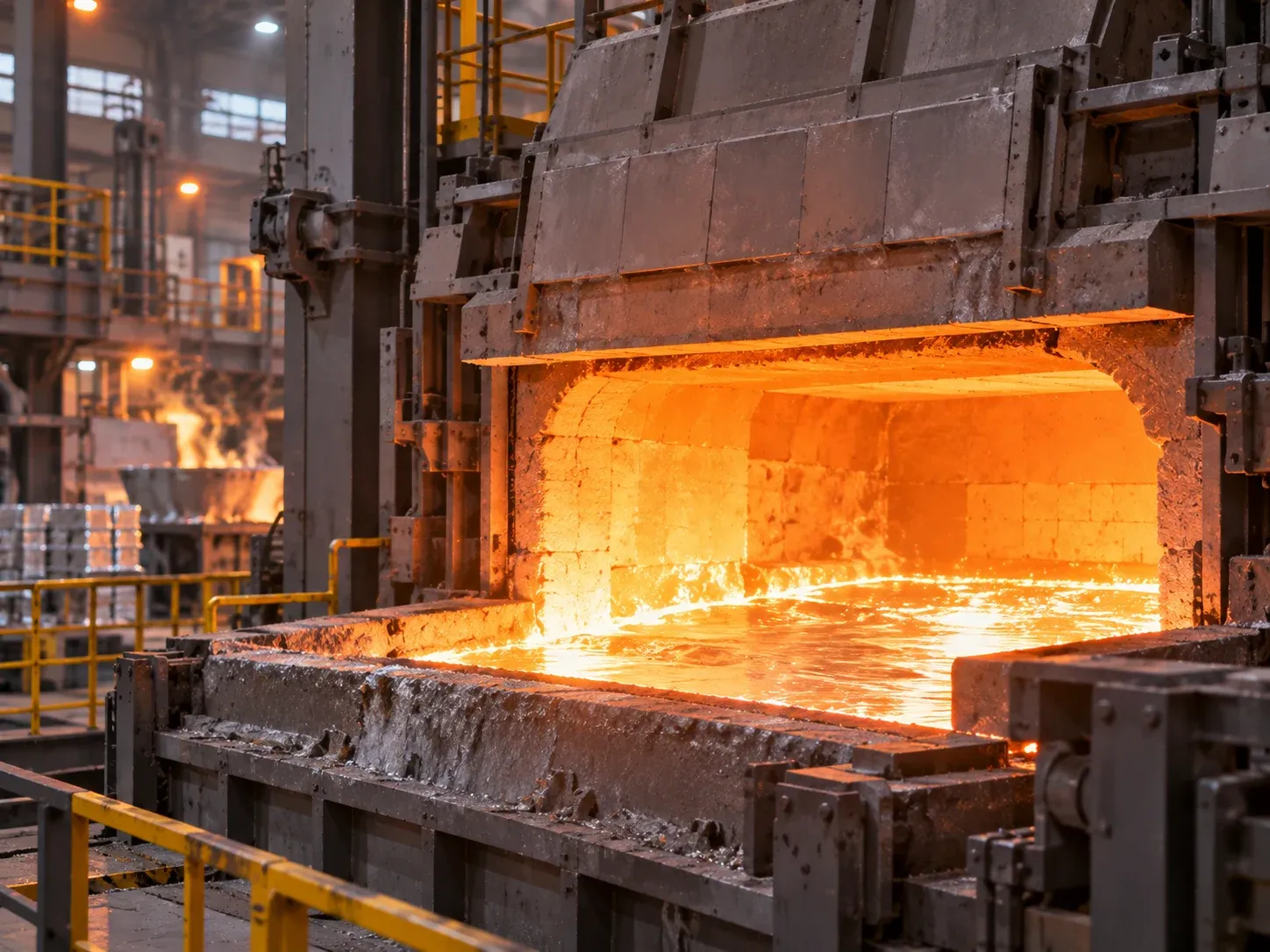 Nonferrous Metals
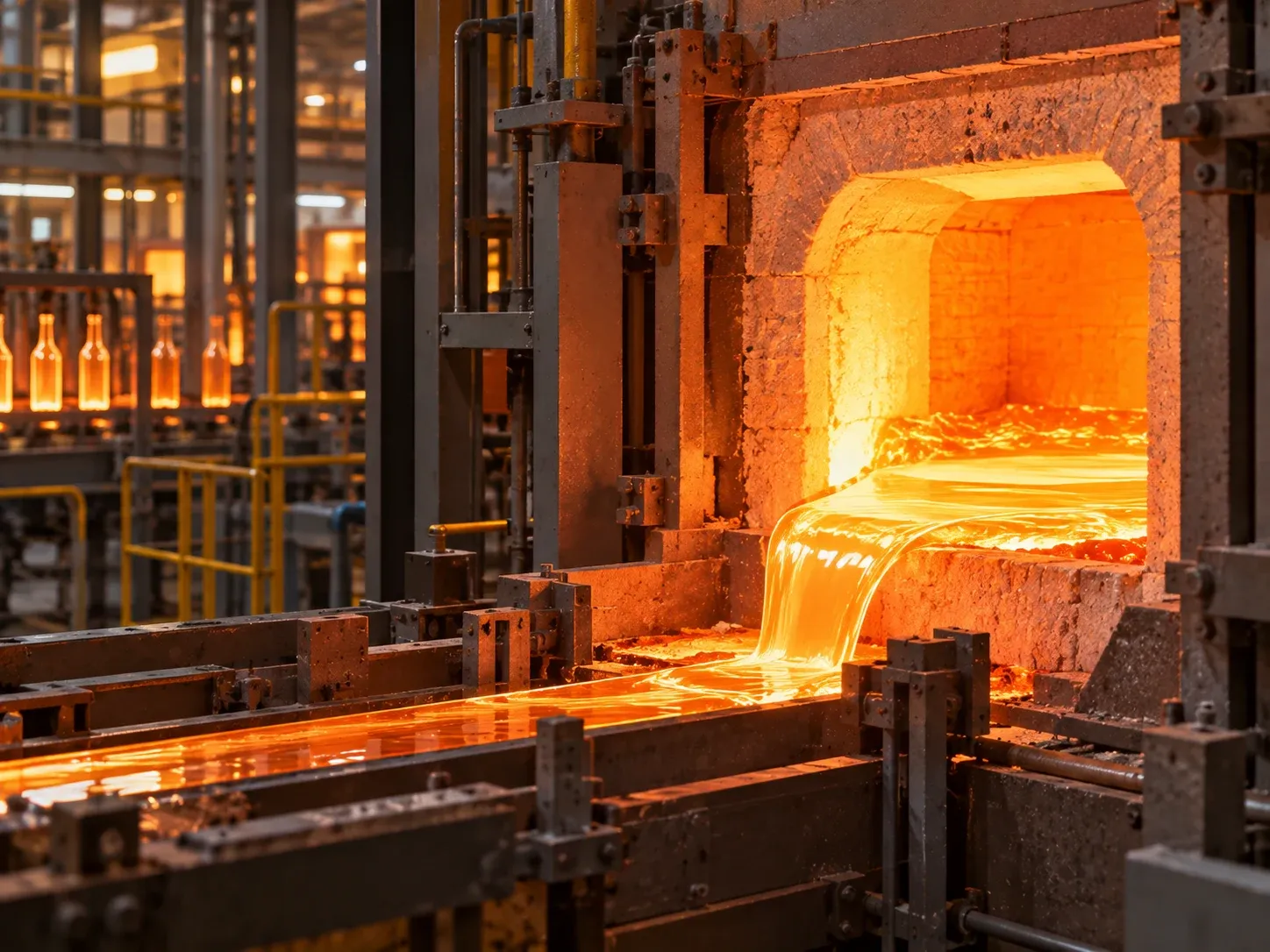 Glass
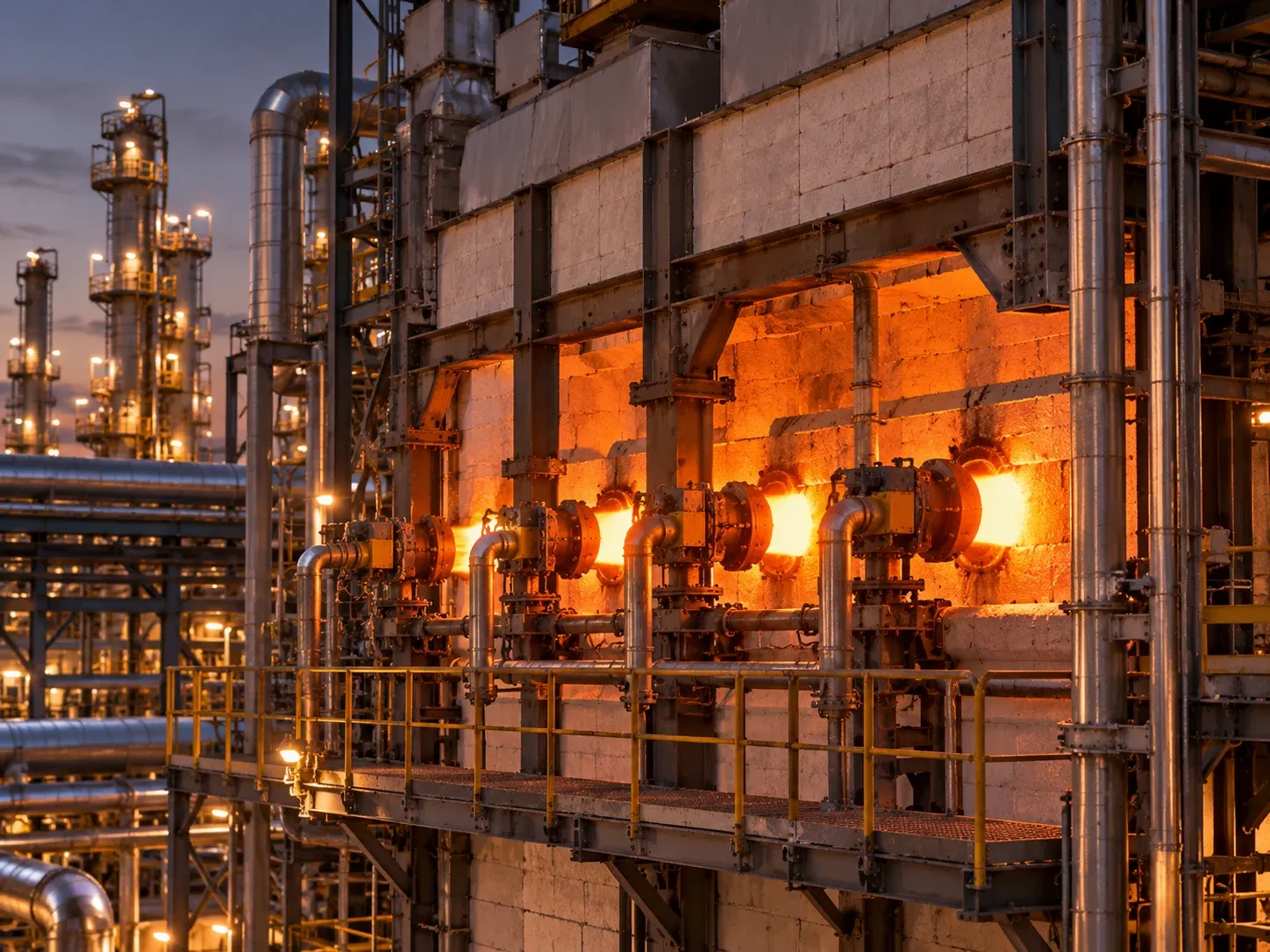 Chemical & Petrochemical
How we work
Review equipment type, temperature, atmosphere and process conditions.
Identify corrosion, abrasion, thermal shock, spalling or other dominant failure mechanisms.
Select suitable refractory families and grades for the operating environment.
Confirm product format, dimensions, lining structure and customisation requirements.
Manufacture and inspect materials according to the agreed specification.
Support installation, commissioning and later service requirements where applicable.
Temperature, atmosphere, slag chemistry, mechanical wear, existing lining condition and expected campaign life are reviewed before final material selection.
Request Technical InformationZone-by-zone selection
Using one refractory grade throughout an entire furnace rarely provides the best balance between service life and cost. Material selection should reflect the conditions in each operating zone.
High-alumina / insulating refractory systems
High-alumina / spinel systems
High-duty / magnesia-spinel refractory systems
Abrasion-resistant refractory systems
Illustrative engineering example only. Final material selection depends on operating conditions, process chemistry and equipment design.
Verified supply references
Anonymised supply records from the published project references. Customer identities, facilities, equipment details and commercial terms are withheld; no performance figure is attached to any record.
Project reference
South AmericaApplicationNonferrous Metals
Commercial value withheld
Project reference
RussiaApplicationSteel & Iron
Materials
Commercial value withheld
Project reference
Middle EastApplicationSteel & Iron
Materials
Commercial value withheld
Analytics on this website
With your permission, this website measures page views and clicks with Google Analytics. Nothing is loaded until you accept, and the site never sends names, contact details or enquiry content to it. You can change your choice at any time on the privacy page. Privacy & cookies