Industry
Refractories for Cement Kilns
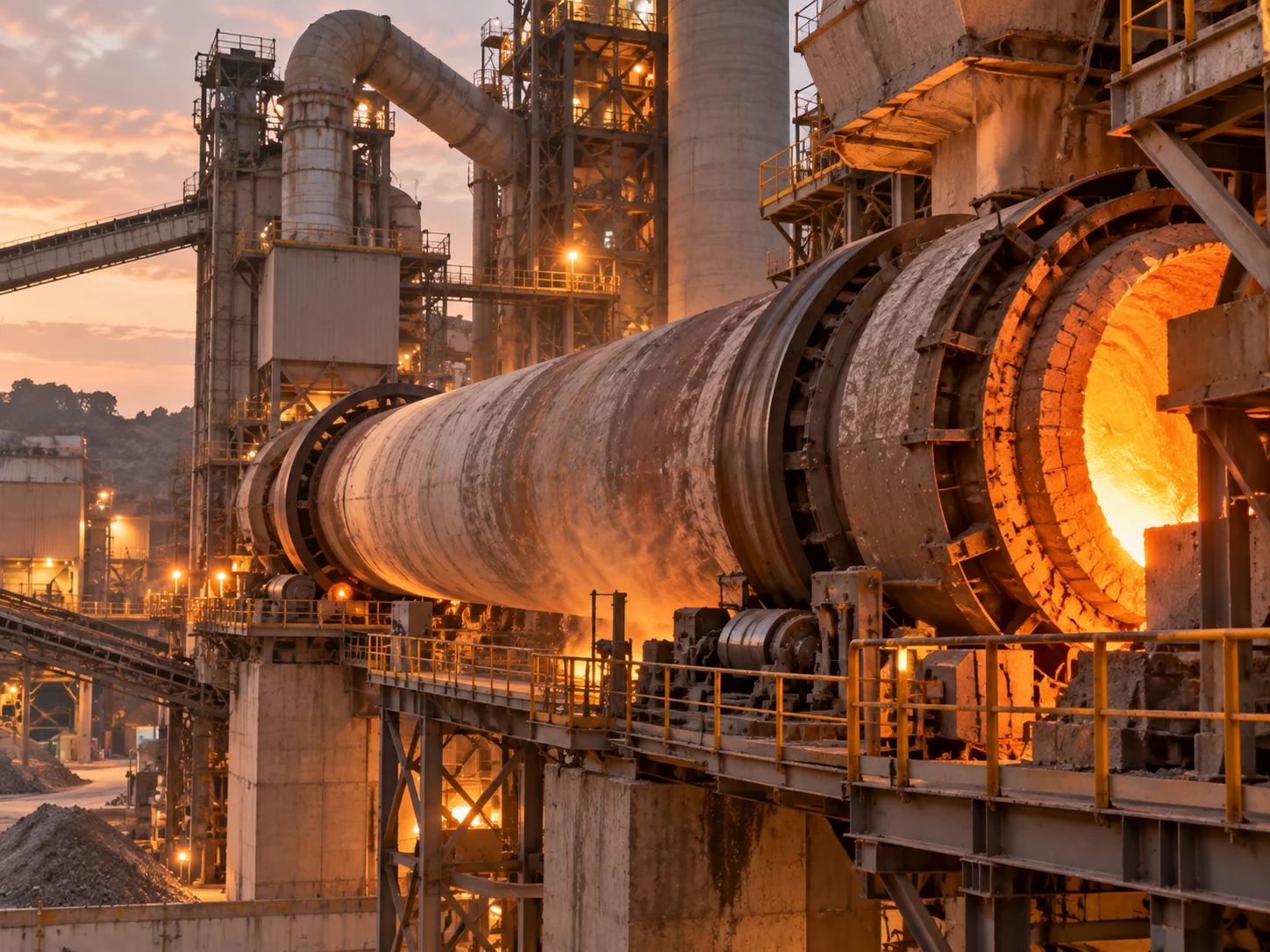
Refractories in cement plants line the preheater, the calciner and tertiary air duct, the rotary kiln from the kiln inlet through the safety, transition and burning zones to the kiln outlet, the kiln hood and burner, and the grate cooler. RISING's kiln configuration tables assign alkali-resistant bricks and castables to the preheater system, silicon mullite, magnesia spinel and magnesia-chrome bricks to the kiln zones, and low-cement and steel-fiber castables to the kiln mouths, hood and cooler.
Refractory Requirements — Cement
RISING’s cement kiln technical reference is organised around the kiln line. Its technical core is a kiln diagram naming the preheater, decomposing furnace, tertiary duct, rotary kiln, kiln hood and grate cooler; a kiln drawing dividing the shell into six positions from the rear kilneye to the front kilneye; and two configuration tables, one for the traditional cement kiln and one for the new dry-process rotary kiln, that assign a working-layer material to each position.
The dry-process table varies its recommendation with the kiln’s daily output, and the traditional-kiln table separates normal from severe load conditions, so most positions carry more than one material. The tables below list each refractory type and grade code as named in the reference, linked to its catalogue page where one exists. A term with no catalogue page stays visible and is quoted on request.
Where Refractories Are Used
6 equipment and zones
Preheater
The dry-process configuration table lists high-strength alkali-resistant castable, anticaking castable and vaulted, high-strength and general-type alkali proof brick for the preheater. The anticaking castable page names the cyclone preheater blanking slope, rising flue and preheater cone as the parts prone to crusting.
Calciner and Tertiary Air Duct
Decomposing furnace · Tertiary duct
The table assigns aluminum low cement castable, antistrip alumina brick, high-strength alkali-resistant castable and vaulted alkali proof brick to the decomposing furnace, and tertiary duct castable, silicon mullite brick and high strength alkali proof brick to the tertiary duct. The alkali proof brick page names the preheater, decomposition furnace and tertiary air duct together as its parts.
Rotary Kiln
The kiln drawing divides the shell into six positions from the rear kilneye to the front kilneye: rear kilneye, preheating / safety zone, lower transition zone, calcining (burning) zone, upper transition zone and front kilneye. Each position has its own working-layer recommendation, and the dry-process table further varies it by the kiln's daily output.
Kiln Hood
Kiln hood / Kiln door hood
The dry-process table lists antistrip alumina brick, mullite low cement castable and steel fibre reinforced refractory castable for the kiln hood; the high-strength alkali proof castable page names the kiln door cover among its uses.
Burner
Burner · Coal burner
The traditional-kiln table assigns a dedicated coal burner castable. The product pages add the tabular corundum castable and the high-strength wear-resistant castable for the coal injection pipe, and the corundum low cement castable for the burner of large kilns.
Grate Cooler
Grate cooler
Both configuration tables assign mullite low cement castable to the grate cooler; the dry-process table adds antistrip alumina brick, and the low cement castable page names the rear end of the cooler for the high-alumina grade.
Refractory Selection by Equipment
Preheater
5| Zone | Refractory type | RISING product | Why used |
|---|---|---|---|
| Working layer | High-strength alkali-resistant castable (RS-14N / RS-13NL) | ||
| Working layer; cyclone blanking slope, rising flue and preheater cone | Anticaking castable (RS-13H / RS-13) | On request | |
| Working layer | Vaulted alkali proof brick | ||
| Working layer | High strength alkali proof brick | ||
| Working layer, smaller kilns | General type alkali proof brick |
Calciner
4| Zone | Refractory type | RISING product | Why used |
|---|---|---|---|
| Working layer | Aluminum LCC (RS-16) | ||
| Working layer | Antistrip alumina brick (RSYRS-70 / RSYRS-75) | ||
| Working layer | High-strength alkali-resistant castable (RS-13NL) | ||
| Working layer, smaller kilns | Vaulted alkali proof brick |
Tertiary Air Duct
4| Zone | Refractory type | RISING product | Why used |
|---|---|---|---|
| Working layer | Tertiary duct castable (RS-18F / RS-16F / RS-15F) | On request | |
| Working layer | Silicon mullite brick (RSAZM-1550) | ||
| Working layer, smaller kilns | High strength alkali proof brick | ||
| Valve plate, gates and other air-scoured parts | Ceramic wear-resistant refractory plastic (RS-GMS / RS-TS) |
Rotary Kiln
26| Zone | Refractory type | RISING product | Why used |
|---|---|---|---|
| Kiln inlet (rear kilneye) | Special castable for kilneye (RS-18 / RS-19) | On request | |
| Kiln inlet (rear kilneye) | Tabular corundum castable (RS-18K) | On request | |
| Kiln inlet (rear kilneye) | Steel Fibre Reinforced Refractory Castable (RS-F16 / RS-F16K / RS-F17) | ||
| Kiln inlet (rear kilneye), traditional kiln | Aluminum LCC (RS-16) | ||
| Safety zone (preheating zone) | Silicon mullite brick (RSAZM-1650 / RSAZM-1550) | ||
| Safety zone (preheating zone) | Antistrip alumina brick (RSYRS-70) | ||
| Safety zone (preheating zone), traditional kiln | High strength alkali proof brick | ||
| Drying zone, traditional kiln | Ordinary alkali resistant brick / High strength alkali resistant brick | ||
| Lower transition zone | Magnesium aluminum spinel brick (RSML-85A / RSML-85B) | ||
| Lower transition zone | Silicon mullite brick (RSAZM-1680 / RSAZM-1650) | ||
| Lower transition zone, traditional kiln | Phosphate bonded wear-resistant brick (RSPA-75) | ||
| Burning zone (calcining zone) | Magnesium aluminum iron composite spinel brick (RSMAF-85A / RSMAF-85B) | The technical reference states that good kiln coating hanging performance and low thermal conductivity are critical for burning-zone refractories, and that the iron and aluminum oxides in this brick react with cement clinker to improve coating adhesion. | |
| Burning zone (calcining zone) | Direct bonded magnesia-chrome brick (RSDMC-8A / RSDMC-8B / RSDMC-4 / RSDMC-6) | ||
| Burning zone (calcining zone) | Semi-bonded magnesia-chrome brick (RSSDMGe-8D) | ||
| Burning zone (calcining zone), traditional kiln | Special phosphate brick (RSPT-1) | ||
| Burning zone and transition zones of large rotary kilns | Composite spinel brick (RS-1 to RS-5) | On request | |
| Burning zone (firing zone), company product document | Magnesia zirconia brick (application stated on its own product page) | ||
| Upper transition zone | Magnesium aluminum spinel brick (RSML-85A / RSML-85B) | The technical reference states that a thin calcium aluminate protective layer forms on the brick surface in service, so clinker cannot easily penetrate, and names the front and rear transition zones of large dry-process kilns as its place. | |
| Upper transition zone | Composite carbon nitrogen brick (RSCN-5) | On request | |
| Upper transition zone | Silicon mullite brick (RSAZM-1680 / RSAZM-1650) | ||
| Upper transition zone, traditional kiln | Phosphate bonded wear-resistant brick (RSPA-75) | ||
| Kiln outlet (front kilneye) | Special castable for kilneye (RS-18 / RS-19) | On request | |
| Kiln outlet (front kilneye) | Tabular corundum castable (RS-18K) | On request | |
| Kiln outlet (front kilneye) | Steel Fibre Reinforced Refractory Castable (RS-F16 / RS-F16K / RS-F17) | ||
| Kiln outlet (front kilneye), large kilns | Corundum LCC (RS-17) | ||
| Cooling zone and kiln mouth (product page) | Silicon mullite brick (RSAZM-1550 / RSAZM-1650 / RSAZM-1680) |
Kiln Hood
5| Zone | Refractory type | RISING product | Why used |
|---|---|---|---|
| Working layer | Antistrip alumina brick (RSYRS-70) | ||
| Working layer | Mullite LCC (RS-16K) | On request | |
| Working layer | Steel Fibre Reinforced Refractory Castable (RS-F17 / RS-F16K) | ||
| Kiln door cover (product page) | High-strength alkali proof castable (RS-13NL / RS-14N) | ||
| Kiln hood and rear entrance of the kiln (product page) | Aluminum LCC (RS-16) |
Burner
4| Zone | Refractory type | RISING product | Why used |
|---|---|---|---|
| Coal burner | Coal burner castable / Special castable for coal burner (RS-16P / RS-17P / RS-19P) | On request | |
| Coal injection pipe | Tabular corundum castable (RS-18K) | On request | |
| Coal injection pipe | High-strength wear-resistant refractory castable (RSNMJ-1 / RSNMJ-2 / RSNMJ-3) | ||
| Coal burner of large kilns | Corundum LCC (RS-17) |
Grate Cooler
3| Zone | Refractory type | RISING product | Why used |
|---|---|---|---|
| Working layer | Mullite LCC (RS-16K) | On request | |
| Working layer | Antistrip alumina brick (RSYRS-70 / RSYRS-75) | ||
| Rear end of the cooler (product page) | Aluminum LCC (RS-16) |
Insulation and Auxiliary Materials
8| Zone | Refractory type | RISING product | Why used |
|---|---|---|---|
| Preheater, tertiary air duct, kiln head cover, decomposition furnace and grate cooler of the dry-process line | Aluminum silicate fiber board | ||
| Preheater, tertiary air duct, kiln head cover, decomposition furnace and grate cooler of the dry-process line | Calcium silicate board / Rock wool board / Composite silicate board / Aluminum silicate fiber rope | On request | |
| Backup and insulating layers | Light insulation castable (RSLW0.6 – RSLW1.3) | ||
| Backup and insulating layers | Light weight high-alumina brick (RSLG-0.5 – RSLG-1.2) | ||
| Backup and insulating layers | Mullite insulation brick (RSJM23 – RSJM32) | ||
| Brick joints | Refractory mortar: phosphate, clay and high alumina, and special mortars (aluminum zirconium, silicon carbide mullite, high aluminum insulation, magnesium, magnesium chromium) | ||
| Brick joints and repairs | High temperature binder | On request | |
| Rotary kiln body and cooler inlet parapet walls | Anchorage fixing (Y-type and V-type) | On request |
Refractory types are listed as named in RISING's technical references. A row reads "On request" where the material has no catalogue page yet.
Kiln Zone Overview
The kiln shell is lined position by position, and the kiln drawing names six of them between the kiln inlet and the kiln outlet. Each row below lists the working-layer materials the technical reference assigns to that position; the tables by equipment follow in the selection section.
01 Kiln Inlet
Rear kilneye
- Special castable for kilneye
- Tabular corundum castable
- Steel Fibre Reinforced Refractory Castable
- Aluminum LCC
02 Safety Zone
Preheating zone / Safety zone
03 Lower Transition Zone
Lower transition zone
05 Upper Transition Zone
Upper transition zone
- Magnesium aluminum spinel brick
- Composite carbon nitrogen brick
- Silicon mullite brick
- Phosphate bonded wear-resistant brick
06 Kiln Outlet
Front kilneye
- Special castable for kilneye
- Tabular corundum castable
- Steel Fibre Reinforced Refractory Castable
- Corundum LCC
Linked materials open their catalogue page. A dashed chip is a source material with no catalogue page yet; it is quoted on request. Grade codes are listed in the selection tables below.
Recommended Refractory Materials
18 linked products
Monolithic Refractories
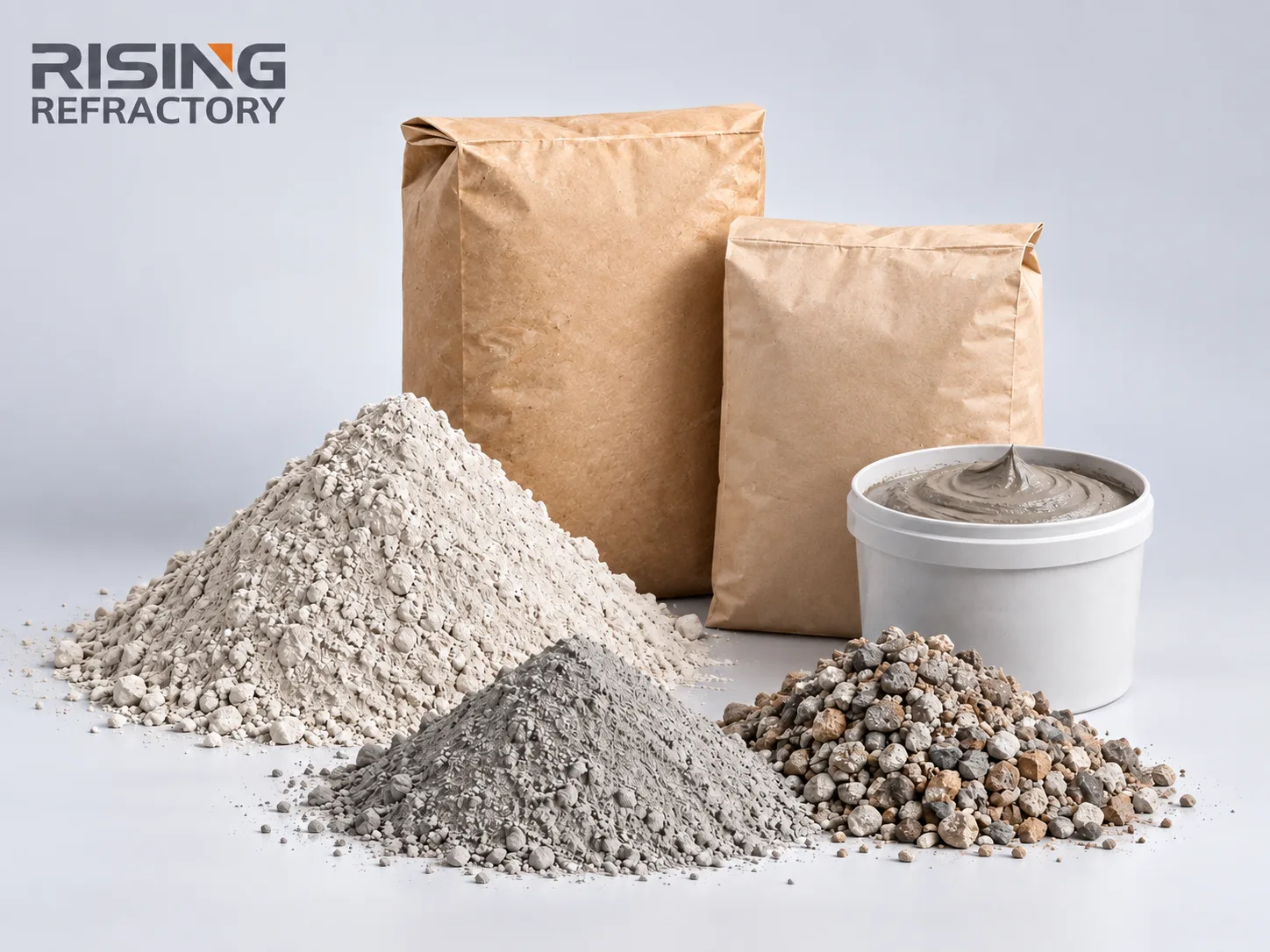
Alkali-Resistant Refractory Castable
Light and dense alkali-resistant castables with high strength, strong resistance to alkali metal oxides and their compounds at medium and high temperature, and long service life.
View ProductGradesLight · Dense
Refractory Bricks
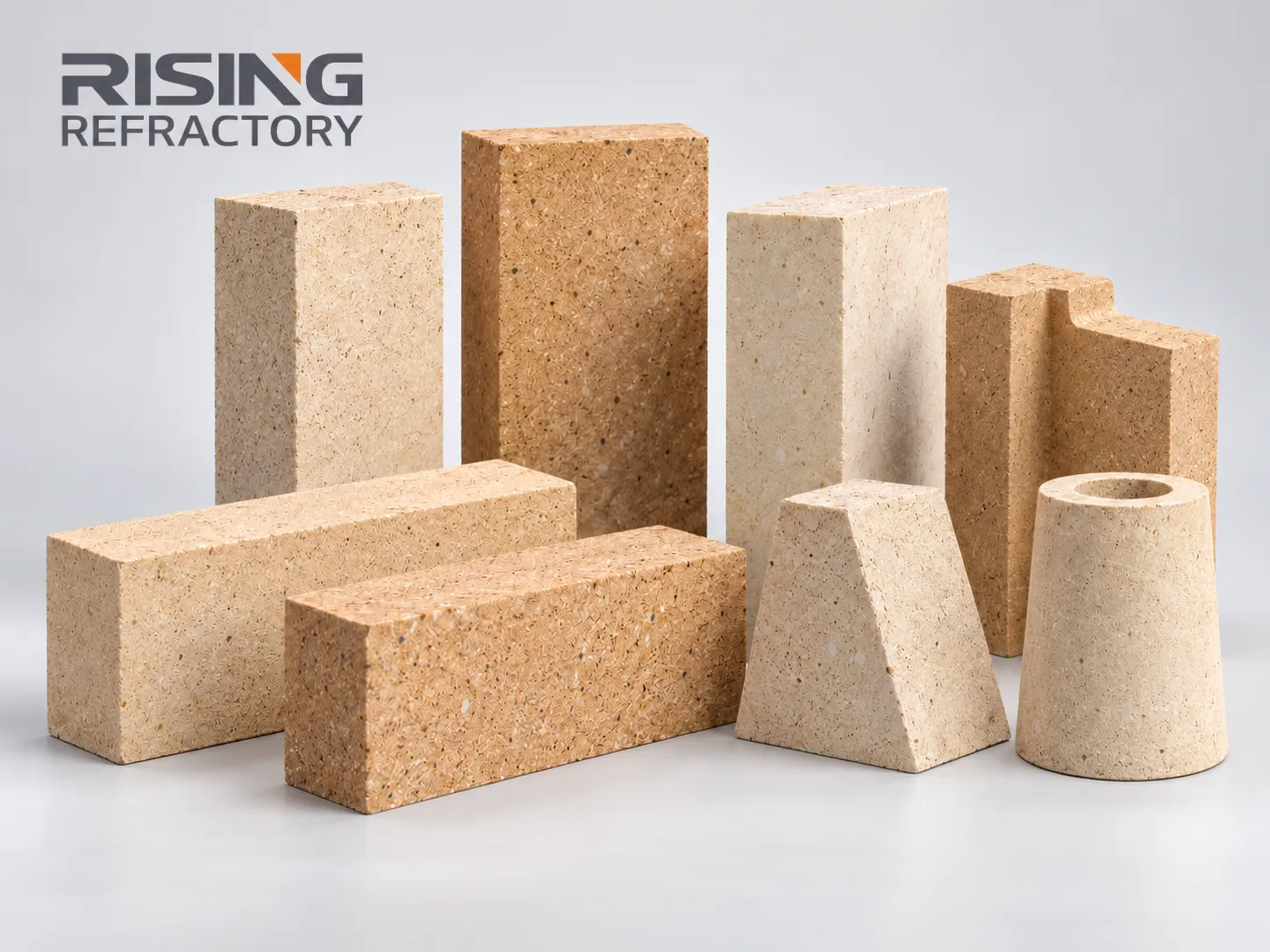
Alkali-Resistant Brick
Alkali-resistant brick with high strength and good volume stability that forms a high-viscosity glass phase on contact with alkali to block alkaline slag, in ordinary, high-strength, arch and lightweight types.
View ProductGradesPT · HS · DT · LW
Monolithic Refractories
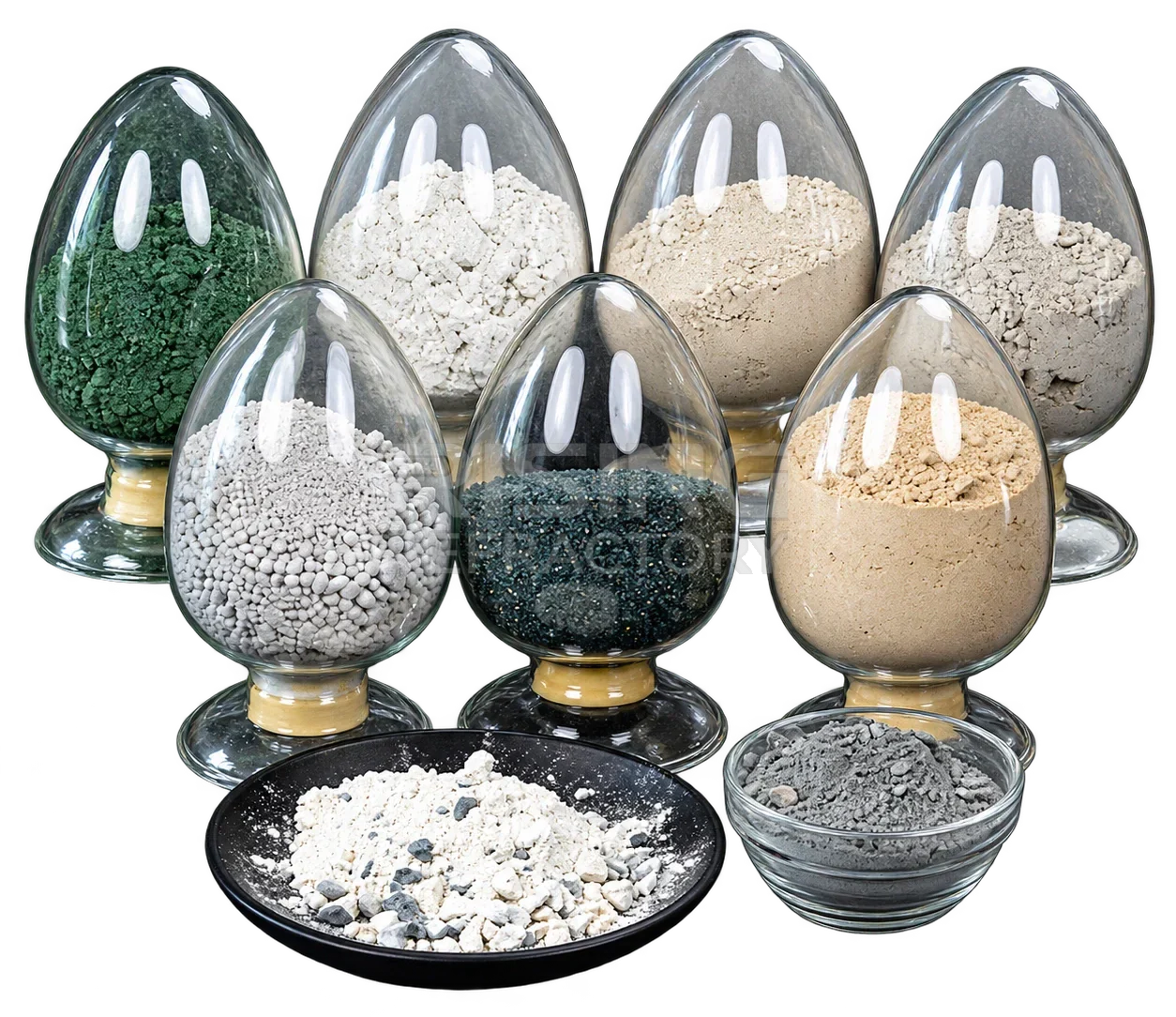
Low & Ultra-Low Cement Castable
Dense low- and ultra-low-cement castables in clay, high alumina and corundum materials, with small pore size, high density, good volume stability, high strength and low water addition.
View ProductGradesClay · High Alumina · Corundum
Refractory Bricks
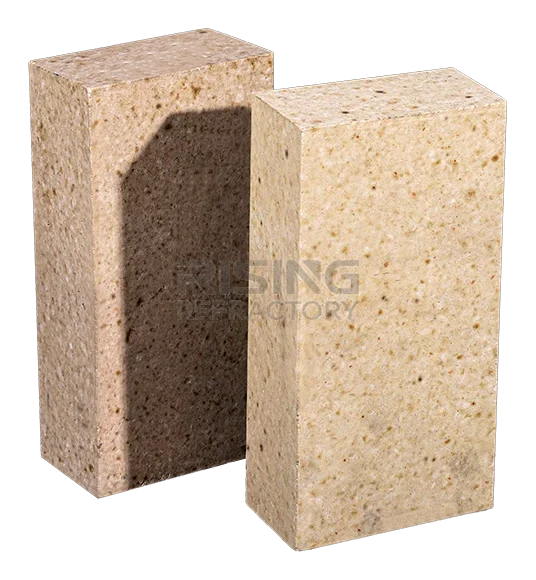
Anti-Stripping High Alumina Brick
High alumina brick with excellent thermal shock and spalling resistance and resistance to alkali, sulfur and chlorine attack, in grades GKBL70 and KBL75.
View ProductGradesGKBL70 · KBL75
Silicon Carbide Products
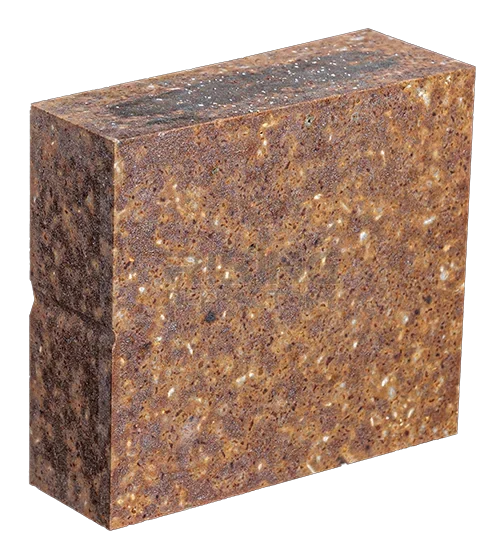
Silicon Carbide Mullite Brick
Silicon carbide–mullite brick with high cold crushing strength, high hot structural strength, good thermal shock and wear resistance and excellent corrosion resistance, plus an andalusite-containing series. Grades GM1650 to GM1550 and GMH1 to GMH3.
View ProductGradesGM1650 · GM1600 · GM1550 · GMH1 · GMH2 · GMH3
Monolithic Refractories
Wear-Resistant Refractory Plastic
Refractory plastic with convenient installation, good plasticity and a high-strength, wear-resistant working layer, in high alumina, silicon carbide and zircon chrome corundum types.
View ProductGradesNMK1 · NMK4 (SiC) · NMK5 (SiC) · NMK6 (SiC) · NMK7 (Zircon Chrome Corundum)
Monolithic Refractories
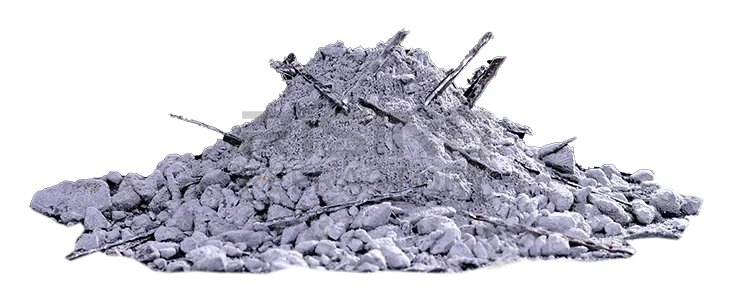
Steel Fiber Reinforced Castable
Castable reinforced with steel fiber for high strength, good toughness, thermal shock resistance, spalling resistance and wear resistance in kiln zones with large temperature gradients. Grades GNM60 to GNM90.
View ProductGradesGNM60 · GNM70 · GNM75 · GNM80 · GNM90
Refractory Bricks
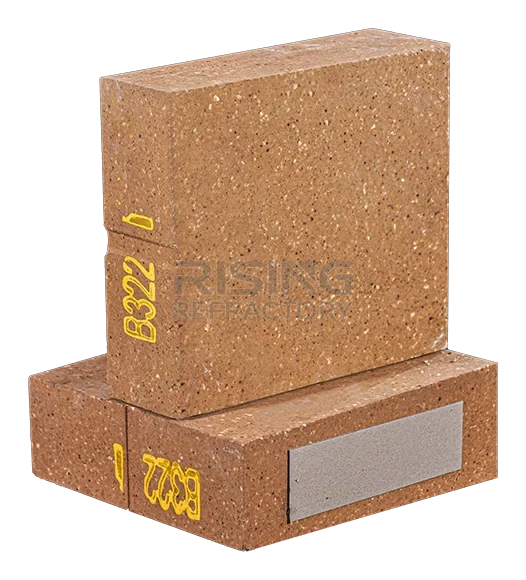
Magnesia-Alumina Spinel Brick
Magnesia spinel brick with uniform expansion and contraction under temperature fluctuation, better thermal shock resistance, refractoriness under load and strength than magnesia brick. Grades MLJ-75 to MLJ-90.
View ProductGradesMLJ-90 · MLJ-85 · MLJ-80 · MLJ-75
Technical Considerations
- Kiln type decides the configuration
- The technical reference publishes two separate configuration tables, one for the traditional cement kiln and one for the new dry-process cement rotary kiln, and states that it recommends different refractory configurations for different kiln types. The same position is lined differently in the two tables.
- Daily output changes the working layer
- The dry-process table gives four columns by kiln output: 6,000–10,000, 3,000–6,000, 2,000–3,000 and 700–2,000 tons per day. The traditional-kiln table is likewise split into three kiln generations: the wet rotary kiln, 700–3,000 tons per day and 3,000–10,000 tons per day. Larger kilns move from alkali proof brick and phosphate-bonded brick towards silicon mullite, spinel and magnesia-chrome brick.
- Normal and severe load conditions
- For the traditional kiln the technical reference lists a recommendation under normal load condition and a stronger one under severe load condition for every position, for example ordinary alkali resistant brick against high strength alkali resistant brick in the drying zone, and special phosphate brick against direct bonded magnesia-chrome brick in the calcining zone.
- Why the dry-process kiln is harder on its lining
- The technical reference states that the rotational speed of the new dry-process kiln is three to four times that of the traditional kiln, that the high temperature, high rotational speed and large diameter make the thermal stress on the kiln lining much larger, and that volatile alkali, sulfur and chlorine compounds concentrate in the kiln system. It therefore requires excellent wear resistance, erosion resistance and high thermal shock stability from cement kiln refractories.
- Burning-zone selection factors
- The technical reference states that good kiln coating hanging performance and low thermal conductivity are very critical for burning-zone refractories, and lists direct bonded and semi-bonded magnesia-chrome brick, magnesia-iron-aluminum composite spinel brick and composite spinel brick as its burning-zone materials.
Also supplied on request
Further refractory types used in this industry that do not have a catalogue page yet. Each is supplied and quoted on request.
- Anticaking castable (RS-13 / RS-13H)
- Tertiary duct castable (RS-15F / RS-16F / RS-18F)
- Special castable for kilneye (RS-18 / RS-19)
- Tabular corundum castable (RS-18K)
- Coal burner castable / Special castable for coal burner (RS-16P / RS-17P / RS-19P)
- Mullite LCC (RS-16K) — the catalogue low cement castable lists clay, high alumina and corundum grades only
- Composite spinel brick (RS-1 to RS-5)
- Composite carbon nitrogen brick (RSCN-5)
- Calcium silicate board, rock wool board, composite silicate board and aluminum silicate fiber rope
- High temperature binder
- Anchorage fixing (Y-type and V-type)
Related Product Families
Refractory Bricks
Shaped refractory products for steel, cement, glass, nonferrous, power and industrial furnace applications, in multiple material systems and custom shapes.
Monolithic Refractories
Castables, ramming materials, mortars and other unshaped refractory systems for new linings, maintenance and repair.
Silicon Carbide Products
Silicon carbide refractory materials and engineered components for demanding wear, corrosion and high-temperature service.
Thermal Insulation Materials
Insulating bricks, boards and lightweight refractory systems designed to reduce heat loss and support multilayer lining construction.
Ceramic Fiber Products
Lightweight high-temperature fiber products for furnace insulation, lining, sealing and thermal management.
Reference documents
- RISING cement kiln refractory technical reference
- RISING product specification records
Technical Consultation
Discuss Your Furnace or Lining Requirement
Send us the equipment, the operating zone and the service conditions. Our engineers confirm the grade and return a structured quotation.