
Refractory BricksZirconia and chrome bricks for glass and gasifier service
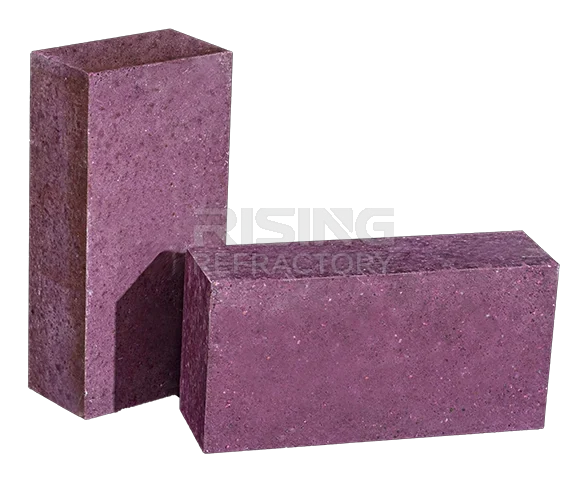
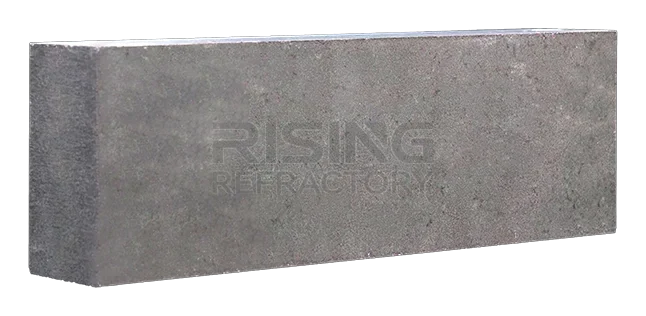
Chrome Corundum Brick
Chrome–corundum brick with high refractoriness, high strength, high refractoriness under load and excellent thermal shock resistance, resistant to steel slag, non-ferrous slag, gasifier slag and glass melts. Grades GGZ-5 to GGZ-30.
- Grades / types
- GGZ-5, GGZ-12, GGZ-20, GGZ-30
Product overview
Chrome corundum brick has high refractoriness, high strength, a high refractoriness under load and excellent thermal shock resistance. It has good corrosion resistance to steel slag, non-ferrous smelting slag, coal gasifier slag and various glass melts.
Key characteristics
- High refractoriness and high strength
- High refractoriness under load
- Excellent thermal shock resistance
- Resistance to steel slag, non-ferrous smelting slag and coal gasifier slag
- Resistance to glass melts
Technical data
| Property | Unit | GGZ-5 | GGZ-12 | GGZ-20 | GGZ-30 |
|---|---|---|---|---|---|
| Cr₂O₃ | % | ≥5 | ≥12 | ≥20 | ≥30 |
| Cr₂O₃+Al₂O₃ | % | ≥93 | ≥93 | ≥93 | ≥93 |
| Fe₂O₃ | % | ≤0.3 | ≤0.3 | ≤0.3 | ≤0.3 |
| Apparent Porosity | % | ≤18 | ≤18 | ≤18 | ≤18 |
| Bulk Density g/ | cm³ | ≥3.10 | ≥3.20 | ≥3.40 | ≥3.50 |
| Cold Crushing Strength (CCS) | MPa | ≥100 | ≥100 | ≥100 | ≥100 |
| Refractoriness Under Load, 0.2 MPa (RUL) | ℃ | ≥1700 | ≥1700 | ≥1700 | ≥1700 |
Where Refractories Are Used
Industry
Steel & Iron
Refractories in iron and steel production are used in the blast furnace, hot blast stove, cast house and coke oven on the ironmaking side, and in the hot metal ladle, converter, electric arc furnace, steel ladle, tundish, RH degasser and reheating furnace on the steelmaking side. Material selection varies by operating zone and includes silica, high alumina, magnesia, magnesia-carbon, alumina-silicon carbide-carbon and silicon carbide products together with castables, ramming mixes and mortars.
Explore IndustryIndustry
Nonferrous Metals
Refractories for nonferrous metals divide into two groups. For aluminium they line the electrolysis cell side wall, corners and bottom, the smelter and the holding furnace, using silicon nitride bonded silicon carbide, carbon-based materials, low cement and non-stick castables and insulation. For copper, zinc, lead and nickel they are magnesia-chrome bricks in directly bonded, semi-rebonded and fused rebonded types.
Explore IndustryIndustry
Glass
Refractories in the glass industry line the melting tank, the superstructure, the working end and forehearth, the throat and the regenerator. Different furnace types take different materials, in fused, siliceous and magnesia groups: silica, clay, high alumina, sillimanite, mullite, fused mullite, zirconia-corundum, fused corundum and zirconium-containing refractory bricks.
Explore IndustryIndustry
Chemical & Petrochemical
Refractories in chemical and petrochemical plants line coal water slurry and residue oil gasifiers, secondary reformers, carbon black reactors, hydrogen production furnaces, gas generators and cracking furnaces. The technical reference's gasifier schemes build the lining from a high chrome brick working face, a chrome corundum brick backing, an alumina bubble brick insulating layer, refractory castables and a ceramic fibre coating or felt against the shell.
Explore Industry
Available grades, shapes and sizes
Available grades
- GGZ-5
- GGZ-12
- GGZ-20
- GGZ-30
Related solutions
Services that work with this family of materials.
Related products
Refractory Bricks
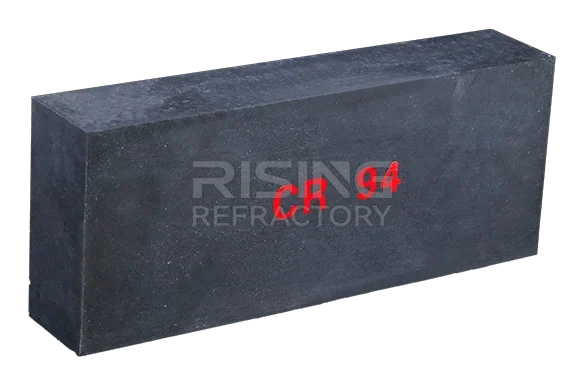
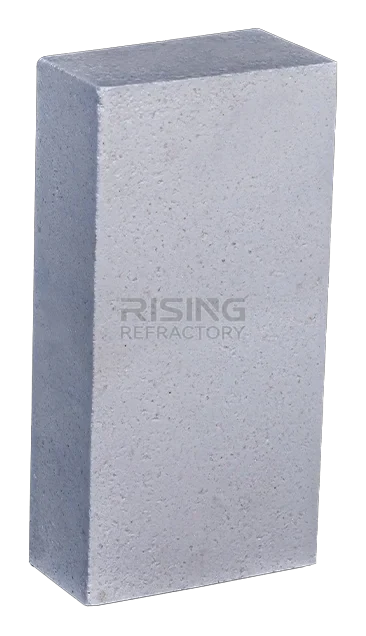
High Chrome Brick
High-chromia brick with excellent corrosion resistance, high cold crushing strength, excellent wear resistance and good thermal shock resistance, for coal slag and molten glass contact. Grades GGZ-75 to GGZ-95.
View ProductGradesGGZ-75 · GGZ-85 · GGZ-90 · GGZ-95
Refractory Bricks
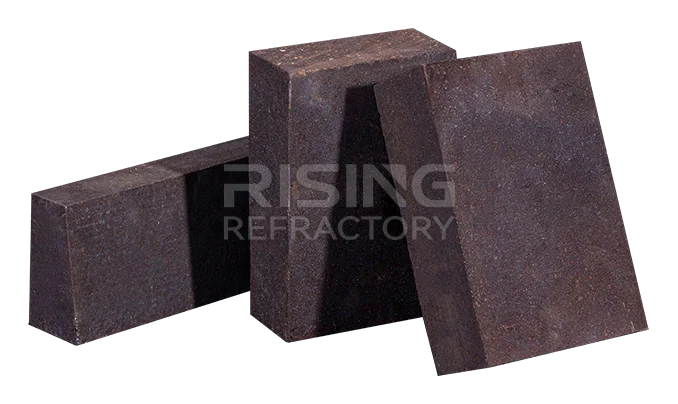
Corundum Brick
Dense corundum brick with high refractoriness under load and good chemical stability against acidic and alkaline slag, metal and molten glass, in grades GYZ-95 to GYZ-99A.
View ProductGradesGYZ-99A · GYZ-99B · GYZ-98 · GYZ-95
Refractory Bricks
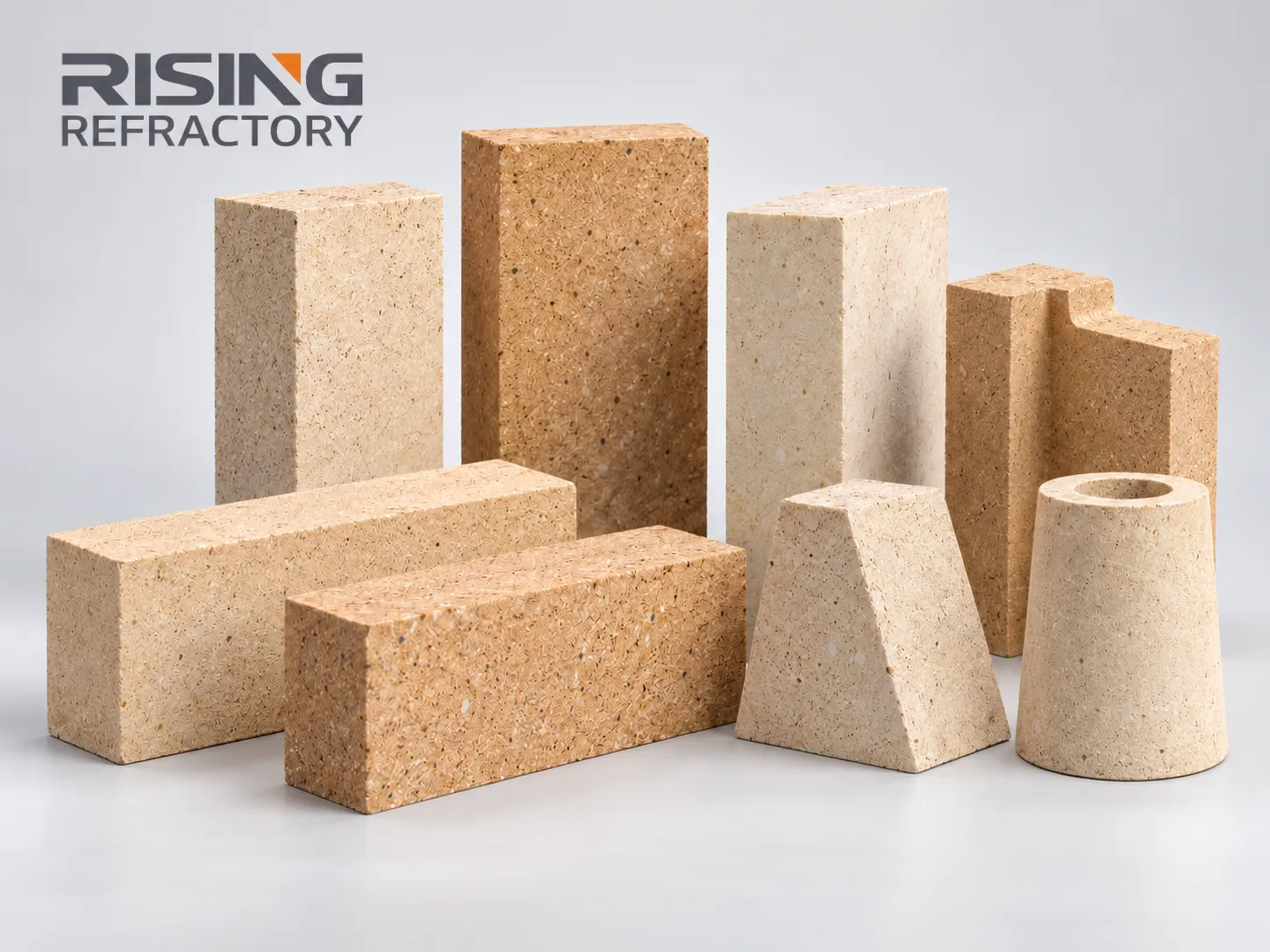
Magnesia Chrome Brick
Basic magnesia–chrome bricks in four product types: ordinary, direct-bonded, fused semi-rebonded and fused rebonded, covering 23 grades for demanding basic-slag service.
View ProductGradesMG-16A · MG-16B · MG-12A · MG-12B · MG-8A · MG-8B · ZMG-16A · ZMG-12A · ZMG-8A · ZMG-6 · BMG-26 · BMG-24 · BMG-22 · BMG-20A · BMG-18 · BMG-16A · BMG-12A · DMG-26 · DMG-24 · DMG-22 · DMG-20 · DMG-16 · DMG-12
Refractory Bricks
Corundum Mullite Brick
Corundum–mullite brick for high-temperature service with high cold crushing strength, high refractoriness under load and good thermal shock resistance, in grades GMZ-75 to GMZ-90.
View ProductGradesGMZ-90 · GMZ-85 · GMZ-80 · GMZ-75
Technical Consultation
Discuss your requirement with our technical team
Share your application, service conditions and quantities. Our engineers confirm the suitable grade and return a structured quotation.
Request a quote for prices and lead times, a TDS for the grade’s data sheet, or technical information for a selection or specification question.
Technical data sheets are supplied on request with the quotation.Request TDS